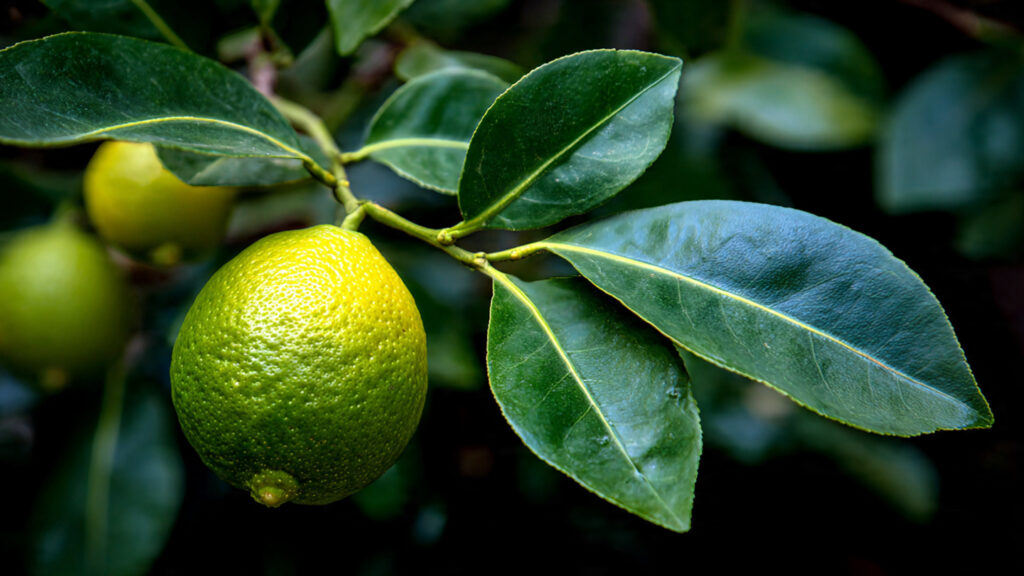
Gardening is full of delightful surprises, and few are as enchanting as discovering a plant that releases a citrusy aroma when touched. Many gardeners and plant enthusiasts have experienced this phenomenon—a leaf that, when rubbed between your fingers, emits a fresh, lemon-like scent. But what causes this fascinating reaction, and what makes these plants so special? Understanding the science behind fragrant leaves opens a window into plant defense mechanisms, human sensory perception, and the unique ways plants interact with their environment.
Here’s a detailed exploration of the secrets behind lemon-scented flower leaves and why they continue to captivate gardeners worldwide.
1. The Science of Plant Aromas
The lemon scent released from certain leaves comes from volatile compounds called essential oils. These oils are complex mixtures of chemical compounds stored in tiny structures on the leaf, such as glandular trichomes or oil glands.
- Volatile compounds: Common chemicals responsible for citrus scents include limonene, citronellal, and geraniol. These molecules evaporate quickly when leaves are crushed or rubbed, releasing the characteristic lemon aroma.
- Storage structures: Many aromatic plants have specialized hairs, glands, or cavities that protect these oils until the plant needs them for defense or attraction.
- Activation by touch: The mechanical action of rubbing the leaf ruptures these glands, releasing the oils into the air for humans (and other organisms) to perceive.
Tip: The intensity of the lemon scent often depends on the age of the leaf, plant variety, and growing conditions. Younger leaves may be less fragrant than mature ones.
2. Plants Known for Lemon-Scented Leaves
Several plant species release a lemon aroma when their leaves are rubbed. Some of the most popular include:
- Lemon Balm (Melissa officinalis): A member of the mint family, this perennial herb has soft leaves that release a strong lemon fragrance. It’s often used in teas, culinary dishes, and natural remedies.
- Lemon Verbena (Aloysia citrodora): Known for its intense citrus aroma, lemon verbena leaves are highly fragrant when rubbed or crushed, making them ideal for potpourri and flavoring desserts.
- Pelargoniums (Scented Geraniums): Certain varieties have leaves with lemon-scented oils that are especially strong when touched.
- Citrus Hybrids: Some decorative lemon-scented plants, such as lemon-scented eucalyptus, produce oils with a similar aroma.
Tip: When choosing plants for fragrance, consider both leaf scent intensity and climate requirements. Lemon balm thrives in temperate climates, while lemon verbena prefers sunny, warm conditions.
3. Why Plants Produce Lemon Scents
The lemon aroma isn’t just for human enjoyment—it serves important ecological and biological purposes.
- Defense against herbivores: The sharp, citrusy smell can deter insects, deer, and other animals from eating the leaves.
- Antimicrobial properties: Many volatile compounds, such as citral in lemon-scented leaves, have antifungal and antibacterial properties, helping the plant resist pathogens.
- Pollinator attraction: While leaves themselves are not typically involved in pollination, aromatic oils can contribute to the overall scent profile of the plant, attracting pollinators to nearby flowers.
- Stress response: Some plants increase essential oil production under stress, such as drought, heat, or pest attacks, as a survival mechanism.
Tip: Growing lemon-scented plants in containers allows gardeners to crush leaves and enjoy their aroma without harming the plant.
4. How to Maximize the Lemon Scent
Gardeners often want the strongest fragrance possible. Several factors influence the intensity of lemon scents in leaves:
- Sunlight: Full sun encourages essential oil production, increasing aroma potency.
- Watering: Moderate, consistent watering maintains healthy leaves. Overwatering or underwatering can reduce scent intensity.
- Pruning: Regular trimming stimulates new growth, which can enhance leaf fragrance.
- Harvesting techniques: Rubbing or crushing leaves gently releases oils without damaging the plant permanently.
Tip: Harvest leaves in the morning, when oils are often most concentrated, for maximum aroma.
5. Culinary and Household Uses
The lemon scent isn’t just a garden novelty—it has practical applications:
- Culinary: Leaves from lemon balm or lemon verbena can flavor teas, desserts, syrups, and salads.
- Aromatherapy: The citrus aroma is known to uplift mood, reduce stress, and promote relaxation.
- Natural cleaning products: Lemon-scented leaves can be used in DIY cleaners, infusions, or homemade air fresheners.
- Pest deterrent: Placing crushed leaves around the home can repel mosquitoes and other insects.
Tip: Always wash leaves before culinary use, and avoid using leaves treated with chemical pesticides.
6. Growing Lemon-Scented Plants Successfully
To enjoy aromatic leaves, proper care is essential:
- Soil: Well-draining, nutrient-rich soil is ideal. Add compost for fertility and texture.
- Light: Most lemon-scented plants prefer full sun to partial shade.
- Water: Keep soil evenly moist, avoiding waterlogged conditions.
- Temperature: Lemon verbena and similar plants may require protection in colder climates, as they are sensitive to frost.
- Propagation: Many lemon-scented plants can be propagated from cuttings, allowing gardeners to expand their aromatic collection easily.
Tip: Container gardening is an excellent option for lemon-scented plants, especially in regions with harsh winters, as pots can be moved indoors for protection.
7. The Psychological Benefits of Fragrant Leaves
Interacting with aromatic plants offers more than sensory delight—it can improve mental and emotional well-being.
➡️ How to Grow Malabar Spinach from Cuttings for Fast, Easy Greens
➡️ How to Grow Super Delicious Cabbage at Home Without a Garden
➡️ How to Grow Bean Sprouts at Home in Plastic Bottles Easily (Step‑by‑Step Guide)
➡️ Why is Your Lemon Tree Blooming in the Heart of Winter?
➡️ Why Should Your Garden Have a Dedicated Pollinator Highway?
➡️ Why Do Your Fruit Trees Need a Winter Wash to Thrive in Spring?
➡️ How Can Rice Water Transform Your Fruits into Sweeter Delights?
➡️ Jumpstart Your Winter Garden: Seed Starting Under Lights
- Stress relief: The citrus scent is known to have calming effects, reducing anxiety and promoting relaxation.
- Enhanced mindfulness: Rubbing leaves and inhaling their aroma encourages gardeners to slow down and enjoy the present moment.
- Mood uplift: Lemon fragrance can stimulate alertness and energy, making gardening an invigorating experience.
- Connection to nature: Engaging multiple senses deepens the bond between humans and plants, enhancing overall gardening satisfaction.
Tip: Create a small “sensory garden” with lemon-scented plants near seating areas to enjoy both visual beauty and aromatic benefits.
8. Scientific Research on Plant Aromas
Scientific studies have examined why certain plants produce fragrant oils and how humans perceive them:
- Volatile organic compounds (VOCs): These molecules are responsible for the release of lemon scents when leaves are crushed. They play roles in plant defense, pollinator attraction, and inter-plant communication.
- Human perception: The human olfactory system is highly sensitive to certain terpenes, like limonene, which gives lemon-scented leaves their distinctive smell.
- Plant-environment interaction: Plants can alter their VOC production based on environmental conditions, stress, or herbivore presence, making leaf scent intensity variable.
Tip: Observing scent variations under different conditions can help gardeners optimize leaf aroma for personal or culinary use.
9. Creative Ways to Enjoy Lemon-Scented Leaves
Gardeners can use lemon-scented leaves in many creative ways:
- Herbal teas: Fresh or dried leaves make aromatic, refreshing teas.
- Potpourri: Mix leaves with flowers, herbs, and spices for fragrant indoor decorations.
- Infusions and oils: Create lemon-scented oils or vinegars for cooking or cleaning.
- Sensory gardening: Incorporate aromatic plants along walkways, patios, or entrances for daily enjoyment.
Tip: Avoid crushing leaves excessively, as over-handling can reduce long-term plant vigor.
10. Conclusion
The lemon scent released when rubbing certain flower leaves is more than a charming novelty—it’s a fascinating glimpse into plant biology, survival strategies, and human sensory enjoyment. Essential oils stored in specialized leaf structures serve purposes from deterring pests to attracting pollinators, while also providing humans with aromatic, culinary, and therapeutic benefits.
Growing lemon-scented plants like lemon balm, lemon verbena, and scented geraniums allows gardeners to engage multiple senses, enjoy flavorful teas, create fragrant environments, and explore sustainable plant care practices. Whether for aroma, culinary use, or psychological wellbeing, these plants demonstrate the incredible complexity and beauty of nature.
By understanding the secrets behind fragrant leaves, gardeners can cultivate healthier plants, enhance garden sensory experiences, and appreciate the remarkable adaptations that make lemon-scented foliage so special. Next time you rub a leaf and breathe in that refreshing citrus aroma, you are experiencing a delicate interplay of plant chemistry, evolution, and human perception—an everyday miracle right in your garden.