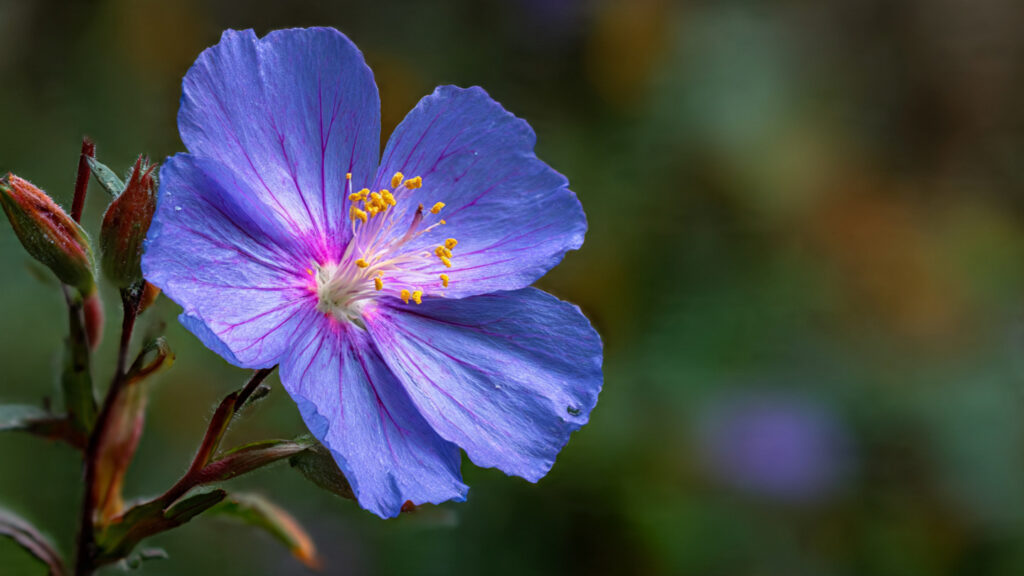
Wildflowers have an undeniable charm. Their vibrant colors, delicate petals, and sweet fragrance add life to fields, roadsides, and gardens. Many of us are drawn to these natural beauties and feel compelled to touch, pick, or admire them up close. However, not all wildflowers are safe to handle. Some, despite their inviting appearance, can cause skin irritation, allergic reactions, or even more serious health issues. Understanding why certain wildflowers should not be touched is critical for both personal safety and environmental conservation.
This article explores the reasons you should avoid touching some of these deceptively harmless-looking wildflowers, the potential dangers, and tips for enjoying them safely.
The Allure of Wildflowers
Wildflowers are among nature’s most charming creations. Their bright petals, intricate patterns, and vibrant colors capture attention in a way that few cultivated garden plants can. Common wildflowers, such as poison hemlock, foxglove, and buttercup, may appear gentle and inviting, but they often carry hidden risks.
People often make the mistake of assuming that beauty equals safety. The reality is that many wildflowers have defense mechanisms, such as toxins in their sap, that serve to protect them from being eaten by herbivores. These defenses can affect humans just as much as animals.
Common Reasons to Avoid Touching Wildflowers
1. Skin Irritation and Rashes
Many wildflowers contain chemical compounds in their sap that can irritate human skin. Even casual contact can result in:
- Redness or inflammation
- Itching or burning sensations
- Blisters in severe cases
For example, plants in the Ranunculaceae family, such as buttercups, contain protoanemonin, a toxic compound that causes skin irritation when touched. Handling these plants without gloves can lead to painful rashes that last several days.
2. Allergic Reactions
Wildflowers can also trigger allergic reactions, even in individuals who don’t typically have plant allergies.
- Some wildflowers release volatile compounds that act as allergens.
- Symptoms may include sneezing, watery eyes, and skin hives.
- In extreme cases, exposure can lead to anaphylaxis, a life-threatening allergic reaction.
It’s important to remember that touching a wildflower can be enough to transfer allergens from your hands to your face or eyes, increasing the risk of a reaction.
3. Toxicity if Ingested
While the focus is on touching, many wildflowers are poisonous if ingested, which makes handling them risky, especially around children or pets.
- For example, foxglove (Digitalis purpurea) contains cardiac glycosides, which can disrupt heart rhythms if ingested.
- Poison hemlock (Conium maculatum) is extremely toxic, with even a small amount causing severe symptoms.
Touching these plants and then inadvertently touching your mouth or food can result in accidental poisoning, highlighting the importance of careful handling.
4. Long-Lasting Effects from Phototoxic Plants
Some wildflowers are phototoxic, meaning their sap reacts with sunlight to cause skin burns or discoloration.
- Plants like giant hogweed produce sap that can cause severe burns, blisters, and permanent scarring when exposed to sunlight after contact.
- The reaction may not be immediate, making it easy to underestimate the danger.
Even minor contact with these plants can have lasting consequences if precautions are not taken.
5. Environmental Preservation
Beyond personal safety, avoiding contact with wildflowers helps protect the environment.
- Wildflowers are fragile and easily damaged. Handling can crush stems, bruise petals, or disturb roots.
- Many wildflower species are essential for pollinators like bees and butterflies. Damaging the flowers can disrupt their natural ecosystem.
- Picking or trampling wildflowers reduces seed production, which affects future plant populations.
By refraining from touching wildflowers, you help maintain the natural balance and ensure that these plants continue to thrive.
Recognizing Common Risky Wildflowers
While many wildflowers are harmless, some common species should be approached with caution:
➡️ How to Grow Malabar Spinach from Cuttings for Fast, Easy Greens
➡️ How to Grow Super Delicious Cabbage at Home Without a Garden
➡️ How to Grow Bean Sprouts at Home in Plastic Bottles Easily (Step‑by‑Step Guide)
➡️ Why is Your Lemon Tree Blooming in the Heart of Winter?
➡️ Why Should Your Garden Have a Dedicated Pollinator Highway?
➡️ Why Do Your Fruit Trees Need a Winter Wash to Thrive in Spring?
➡️ How Can Rice Water Transform Your Fruits into Sweeter Delights?
➡️ Jumpstart Your Winter Garden: Seed Starting Under Lights
- Poison Hemlock (Conium maculatum) – Tall, white-flowered plants with fern-like leaves. Extremely toxic if touched or ingested.
- Foxglove (Digitalis purpurea) – Tubular flowers in shades of pink, purple, and white; contains compounds affecting heart function.
- Buttercup (Ranunculus spp.) – Bright yellow flowers; sap can irritate skin and eyes.
- Giant Hogweed (Heracleum mantegazzianum) – Large plant with white umbrella-like flowers; sap causes severe phototoxic reactions.
- Wild Parsnip (Pastinaca sativa) – Yellow flower clusters; sap can cause burns under sunlight.
Knowing how to identify these plants reduces the risk of accidental contact and injury.
Safe Ways to Enjoy Wildflowers
You don’t have to avoid wildflowers entirely; you can still enjoy their beauty safely. Here are some tips:
1. Admire From a Distance
- Observe wildflowers without touching them.
- Take photographs to capture their beauty without disturbing them.
2. Use Protective Gear
- Wear gloves and long sleeves if you must handle wildflowers.
- Wash hands thoroughly after contact with any plant.
3. Avoid Picking
- Picking wildflowers can harm their reproductive cycle and local pollinators.
- If collecting, consider using cultivated or commercially grown wildflower varieties.
4. Educate Yourself
- Learn to identify common toxic wildflowers in your area.
- Teaching children about which plants are safe prevents accidental exposure.
5. Incorporate Safe Alternatives
- Grow non-toxic wildflowers in gardens for safe interaction. Examples include cosmos, marigold, and zinnia.
Why Awareness Matters
Touching a wildflower may seem harmless, but the consequences can range from mild skin irritation to severe health issues. Awareness ensures:
- Personal safety – You protect yourself and your family from allergens, toxins, and phototoxic reactions.
- Environmental conservation – You prevent damage to delicate ecosystems and pollinator populations.
- Responsible enjoyment – You can admire and appreciate nature without causing harm.
Respecting wildflowers is part of responsible outdoor etiquette and a small step toward preserving the natural beauty around us.
Educating Children About Wildflowers
Children are naturally curious and may be drawn to brightly colored wildflowers. To keep them safe:
- Teach them not to touch or eat unknown plants.
- Explain that some plants, while pretty, can cause rashes or make them sick.
- Encourage safe interaction, like photographing or drawing the flowers.
Instilling respect for wild plants early encourages lifelong safe habits and environmental stewardship.
What to Do If You’ve Touched a Toxic Wildflower
Accidents can happen. Here’s what to do if you’ve come into contact with a potentially harmful wildflower:
- Wash the area immediately with soap and water.
- Remove contaminated clothing carefully.
- Avoid sunlight if the plant is phototoxic, as this can worsen skin reactions.
- Apply soothing creams like aloe vera for mild irritation.
- Seek medical attention for severe reactions, ingestion, or persistent rashes.
Prompt action minimizes health risks and prevents complications.
Conclusion
Wildflowers are among nature’s most beautiful creations, but appearances can be deceiving. Many common species contain irritants, allergens, toxins, or phototoxic compounds that make touching them risky. By understanding the dangers, learning to identify hazardous plants, and practicing safe viewing habits, you can enjoy wildflowers without compromising your health or the environment.
Admiring wildflowers from a safe distance, using protective gear, and educating others—especially children—ensures that these natural wonders continue to thrive for generations to come. Remember, some of the most beautiful things in nature are meant to be seen and appreciated, not touched. Respecting these delicate plants safeguards both your health and the ecosystem around you.