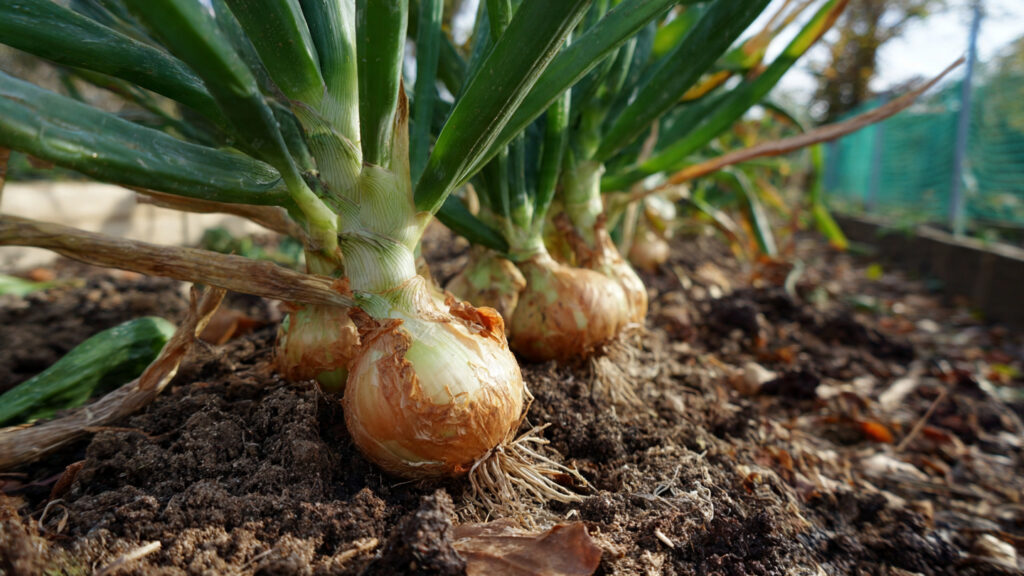
In recent years, kitchen gardeners and urban homesteaders have embraced a unique and hardy vegetable: the walking onion. Also known as tree onions, Egyptian onions, or top-setting onions, this perennial plant has captured attention for its unusual growth habit, low maintenance, and versatile culinary uses. Its ability to propagate naturally and produce multiple harvests each year has made it a favorite among gardeners looking for sustainable, space-efficient crops.
If you’ve been curious about the walking onion craze, this article explores why so many people are planting walking onions in their kitchen gardens, how to grow them, and what makes them such a standout addition.
What Are Walking Onions?
Walking onions are a type of perennial Allium, closely related to regular onions, garlic, and shallots. What makes them unique is their top-set bulbs or “bulbils,” which form at the tip of tall stalks. As these stalks grow and the bulbils mature, they become heavy, bend, and eventually touch the ground, where they root and create new plants. This “walking” propagation method gives the plant its whimsical name.
Key Characteristics:
- Perennial growth: Unlike regular onions that must be replanted each year, walking onions return year after year.
- Bulbil formation: Small onions form at the top of the plant, which can be harvested or allowed to root.
- Hardiness: Extremely cold-tolerant and adaptable to a variety of soil types.
- Dual harvest: Both the bulbs in the soil and the top-set bulbils are edible.
Walking onions are prized not only for their productivity but also for their ability to self-propagate, making them low-maintenance and sustainable.
Why Gardeners Are Loving Walking Onions
Several factors contribute to the growing popularity of walking onions among home gardeners:
1. Continuous Harvest
Unlike many vegetables that produce only once per season, walking onions offer multiple harvest opportunities:
- Bulbs: The underground bulbs can be harvested like regular onions.
- Bulbils: Small onions on top of the stalks can be harvested or allowed to root for next year’s crop.
This dual harvest ensures gardeners enjoy a steady supply of fresh onions throughout the growing season.
2. Perennial and Low Maintenance
Walking onions are extremely hardy and perennial, meaning they survive harsh winters and require minimal effort to maintain. Once planted, they often continue producing year after year with little intervention. This makes them ideal for:
- Busy gardeners who want low-maintenance crops.
- Urban gardeners or those with limited space.
- Sustainable and permaculture-style gardens, where perennial crops are favored.
Their resilience also makes them suitable for cold climates, where other onions might struggle to survive.
3. Space Efficiency
Because walking onions propagate by bulbils, they effectively “walk” across the garden, creating new plants naturally. This reduces the need for manual planting while maximizing yields in a small area. Gardeners can enjoy a larger harvest without increasing the garden footprint.
Additionally, their tall, upright growth habit allows them to fit well into vertical or companion planting arrangements, making them perfect for small kitchen gardens or raised beds.
4. Culinary Versatility
Walking onions are not just productive—they’re delicious and versatile. Both the underground bulbs and top-set bulbils can be used in the kitchen:
- Raw or cooked: Add a mild onion flavor to salads, sandwiches, soups, and stir-fries.
- Pickled: Preserve the bulbils for tangy, crunchy condiments.
- Green tops: Similar to scallions, the green stalks can be chopped and used as herbs.
Their milder flavor compared to some regular onions makes them suitable for a variety of dishes, appealing to gardeners who enjoy homegrown, fresh produce.
5. Natural Propagation
The “walking” habit of this onion reduces the need for replanting each season. Once bulbils fall to the ground, they root and grow into new plants automatically. This self-propagation makes walking onions:
- Cost-effective: One plant can generate many offspring.
- Sustainable: Less labor-intensive than annual onions.
- Perfect for permaculture gardens: They fit naturally into ecosystems that encourage perennial plants and self-seeding.
For gardeners looking to establish a low-maintenance, productive kitchen garden, this feature is a major draw.
➡️ How to Grow Malabar Spinach from Cuttings for Fast, Easy Greens
➡️ How to Grow Super Delicious Cabbage at Home Without a Garden
➡️ How to Grow Bean Sprouts at Home in Plastic Bottles Easily (Step‑by‑Step Guide)
➡️ Why is Your Lemon Tree Blooming in the Heart of Winter?
➡️ Why Should Your Garden Have a Dedicated Pollinator Highway?
➡️ Why Do Your Fruit Trees Need a Winter Wash to Thrive in Spring?
➡️ How Can Rice Water Transform Your Fruits into Sweeter Delights?
➡️ Jumpstart Your Winter Garden: Seed Starting Under Lights
How to Plant and Grow Walking Onions
Growing walking onions is straightforward, making them accessible even for novice gardeners.
Planting Steps:
- Choose a location: Select well-drained soil with full to partial sunlight. Walking onions are adaptable but thrive in fertile soil.
- Plant bulbils or bulbs: Either the underground bulbs or the top-set bulbils can be planted directly in the soil. Space them about 6–12 inches apart.
- Watering: Keep soil moderately moist, especially during establishment. Once mature, walking onions are drought-tolerant.
- Mulching: Mulch helps retain moisture and suppress weeds.
- Harvesting:
- Bulbs can be harvested when mature, usually in late summer or fall.
- Top-set bulbils can be collected once they dry or allowed to fall to the ground to root naturally.
With minimal care, a single walking onion can provide years of abundant harvests, multiplying across the garden over time.
Companion Planting Benefits
Walking onions also offer benefits beyond yield and culinary use. They can protect other crops in your kitchen garden:
- The strong smell of onions can deter pests like aphids, carrot flies, and beetles.
- Planting them near vegetables such as carrots, tomatoes, or peppers can improve overall garden health.
- Their perennial presence provides consistent soil coverage, reducing erosion and supporting biodiversity.
By planting walking onions alongside other crops, gardeners enjoy both pest control and increased yields, making them an excellent addition to companion planting schemes.
Fun Fact: The “Walking” Mechanism
The unique propagation habit is fascinating to gardeners and adds a playful element to the garden. Each stalk grows a cluster of bulbils at the tip. Over time, the stalk bends under the weight, touches the soil, and establishes new roots. This process:
- Creates a natural self-spreading network of plants.
- Reduces the need for manual planting each season.
- Provides a visually interesting dynamic in the garden, making them a conversation starter for visitors.
This quirky growth habit is part of the appeal, combining practicality with a touch of whimsy.
Tips for Maximizing Walking Onion Yields
To get the most out of your walking onions:
- Allow bulbils to drop naturally: This encourages new plants to form automatically.
- Thin overcrowded plants: Ensure enough space between plants to avoid competition.
- Rotate harvest timing: Pick bulbs and bulbils at different stages to ensure continuous production.
- Protect from extreme weather: In extremely cold climates, mulch heavily or cover with row covers to protect overwintering plants.
- Divide older clumps: Every few years, divide plants to rejuvenate growth and prevent overcrowding.
These simple strategies ensure your walking onions remain productive, healthy, and low-maintenance.
Conclusion
Walking onions are taking kitchen gardens by storm for good reason. Their perennial nature, low maintenance, natural propagation, culinary versatility, and pest-deterring qualities make them ideal for home gardeners looking for sustainability and abundance. Unlike traditional onions, they “walk” across the garden, multiplying themselves and reducing the need for replanting year after year.
Whether you’re an urban gardener with limited space, a permaculture enthusiast, or someone seeking a practical and resilient addition to your vegetable patch, walking onions offer reliability, charm, and continuous harvests. By planting these quirky, productive Alliums in your kitchen garden, you not only secure a steady supply of fresh onions but also introduce a fascinating, self-sustaining plant that continues to give season after season.
For anyone looking to maximize yield, minimize effort, and add a touch of garden whimsy, walking onions are a must-have. Their growing popularity is well-deserved, and once you experience their productivity and charm, it’s easy to see why so many gardeners are planting them year after year.