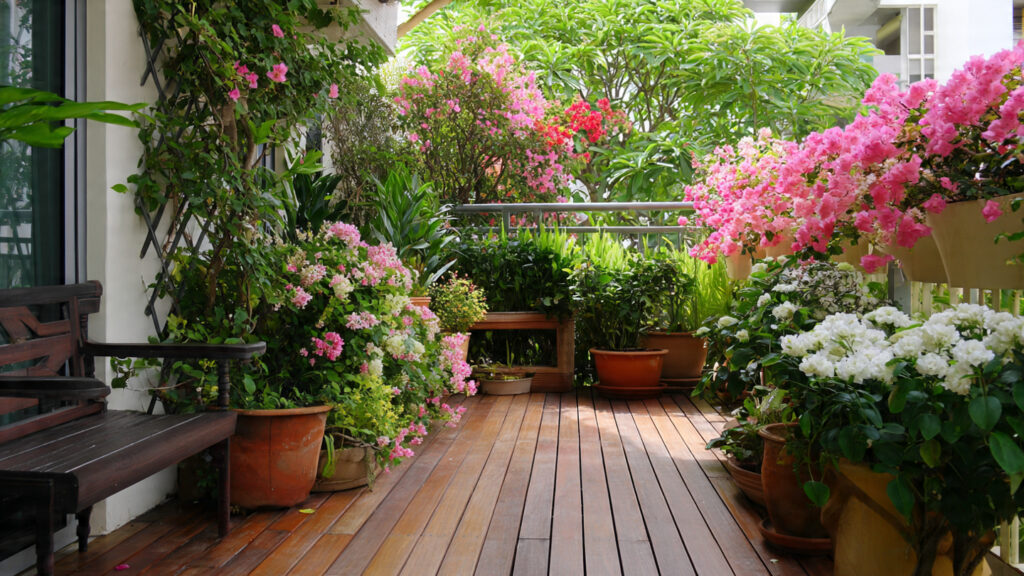
Balconies have become an extension of living space for many urban dwellers, offering a slice of nature in a concrete jungle. A lush, vibrant balcony filled with plants can provide tranquility, privacy, and even fresh produce. However, keeping your balcony garden thriving through seasonal changes can be challenging. Temperature fluctuations, varying sunlight, wind, and rain patterns can stress plants and make it difficult to maintain consistent greenery year-round.
Fortunately, with the right planning, plant selection, and care routines, you can ensure that your balcony remains lively, colorful, and healthy through every season. This guide explores practical strategies to create a thriving balcony garden no matter the weather.
Understanding Seasonal Challenges
Before choosing plants or designing your balcony, it’s important to understand the seasonal factors that affect outdoor container gardens:
- Spring: Temperatures rise, daylight increases, and plants begin their active growth phase. Sudden cold snaps or late frosts can still occur.
- Summer: Strong sunlight, high temperatures, and heat waves can stress plants, causing sunburned leaves or rapid soil drying.
- Autumn: Cooling temperatures and shorter daylight hours slow growth, and falling leaves can add debris to containers.
- Winter: Frost, freezing temperatures, and reduced light can damage or kill tender plants, requiring protective measures.
Recognizing these challenges allows you to plan your plant selection, watering, and protection strategies to maintain year-round vibrancy.
Choosing the Right Plants for All Seasons
One of the most effective ways to ensure a lush balcony is by selecting plants suited to each season. Consider these categories:
1. Evergreen Plants
Evergreens provide a constant green backdrop regardless of season. They are low-maintenance and hardy, ideal for creating structure and filling space. Examples include:
- Boxwood (Buxus spp.): Perfect for topiary or hedges in containers.
- Dwarf conifers: Compact evergreens that add texture and form.
- Holly (Ilex spp.): Provides greenery and colorful berries in winter.
Evergreens act as the foundation for seasonal flowers and accents, ensuring your balcony never looks bare.
2. Seasonal Flowers
Seasonal blooms add color, fragrance, and visual interest throughout the year:
- Spring: Tulips, daffodils, pansies, primroses.
- Summer: Geraniums, petunias, marigolds, and begonias.
- Autumn: Chrysanthemums, ornamental kale, and asters.
- Winter: Cyclamen, heathers, and camellias.
Rotating seasonal flowers keeps your balcony visually dynamic, while also accommodating changing light and temperature conditions.
3. Hardy Edibles
Edible plants can thrive on balconies while offering fresh produce:
- Herbs: Rosemary, thyme, parsley, and mint tolerate seasonal changes.
- Leafy greens: Spinach, kale, and lettuce are cool-season crops that can survive mild winters.
- Chilies and tomatoes: Summer favorites that add vibrancy and utility.
Edible plants not only contribute to greenery but also provide practical benefits and sensory enjoyment.
Strategic Container Selection
Your choice of containers significantly affects plant health through seasonal changes:
- Material: Terracotta pots are breathable but may crack in winter; plastic and resin containers retain moisture but can overheat in summer.
- Drainage: Ensure all pots have proper drainage holes to prevent root rot during heavy rain.
- Size: Larger containers hold more soil, which retains moisture and moderates temperature changes.
Layering plants in different-sized containers can create a visually appealing layout while supporting healthy root systems throughout the year.
Managing Light Exposure
Sunlight availability changes with the seasons, so planning your balcony garden around light is essential:
- Spring and summer: Intense sunlight can scorch plants; use shade cloths, lattice screens, or taller plants to protect delicate foliage.
- Autumn and winter: Reduced light may require moving containers to sunnier spots or adding reflective surfaces to increase light exposure.
- Rotation: Turn pots periodically so all plants receive equal sunlight, preventing uneven growth or legginess.
Proper light management ensures your balcony plants grow uniformly and stay vibrant.
➡️ How to Grow Malabar Spinach from Cuttings for Fast, Easy Greens
➡️ How to Grow Super Delicious Cabbage at Home Without a Garden
➡️ How to Grow Bean Sprouts at Home in Plastic Bottles Easily (Step‑by‑Step Guide)
➡️ Why is Your Lemon Tree Blooming in the Heart of Winter?
➡️ Why Should Your Garden Have a Dedicated Pollinator Highway?
➡️ Why Do Your Fruit Trees Need a Winter Wash to Thrive in Spring?
➡️ How Can Rice Water Transform Your Fruits into Sweeter Delights?
➡️ Jumpstart Your Winter Garden: Seed Starting Under Lights
Watering Techniques for Seasonal Changes
Water requirements fluctuate with temperature, humidity, and rainfall:
- Spring: Active growth increases water needs; check soil daily.
- Summer: Hot conditions can cause rapid drying; use mulch or self-watering containers.
- Autumn: Moderate watering; reduce frequency as growth slows.
- Winter: Many plants require minimal water; overwatering can cause root rot.
Tips:
- Use moisture meters to avoid over- or under-watering.
- Consider drip irrigation systems or capillary mats for consistent moisture in hot months.
- Group containers with similar water requirements for efficiency.
Fertilization Through the Seasons
Plants need nutrients to stay healthy, and fertilization should adjust to seasonal growth patterns:
- Spring and summer: Feed actively growing plants with balanced fertilizers or slow-release options.
- Autumn: Reduce fertilizer to prepare plants for dormancy.
- Winter: Avoid fertilization for dormant plants; indoor plants may need occasional liquid feeding if light is sufficient.
Using the right fertilizer at the right time promotes lush foliage, vibrant blooms, and stronger root systems.
Protecting Plants From Extreme Weather
Seasonal extremes can damage balcony plants. Protect them using:
- Windbreaks: Screens, trellises, or taller shrubs shield delicate plants from strong winds.
- Frost protection: Cover tender plants with frost cloths or move them indoors during cold snaps.
- Heat protection: Shade cloths or positioning pots near walls can reduce sun damage.
- Rain management: Move sensitive plants away from heavy rainfall or create drainage solutions to prevent waterlogging.
Preparation ensures your balcony remains healthy regardless of weather conditions.
Pest and Disease Management
Seasonal changes affect pest and disease prevalence:
- Spring and summer: Aphids, spider mites, and whiteflies are more common.
- Autumn: Fungal diseases may increase due to humidity and cooler nights.
- Winter: Indoor pests like mealybugs may appear on moved plants.
Preventive measures:
- Inspect plants regularly for early signs of pests or disease.
- Use natural remedies like neem oil or insecticidal soap.
- Avoid overcrowding containers to ensure air circulation.
Proactive management prevents infestations that can quickly reduce your balcony’s vibrancy.
Creative Layering and Design
A lush balcony isn’t just about healthy plants; it’s about visual appeal and design:
- Vertical gardening: Use wall planters or trellises to maximize space and add depth.
- Hanging baskets: Provide color and interest at eye level.
- Mix textures and colors: Combine foliage shapes, flower colors, and plant heights for a dynamic look.
- Seasonal rotation: Swap plants in and out based on seasonal performance to keep the balcony fresh.
A well-designed layout not only enhances beauty but also makes seasonal care more manageable.
Incorporating Edibles and Fragrances
Adding edible and fragrant plants enhances the sensory experience:
- Herbs like basil, rosemary, and mint can thrive in summer and early autumn.
- Scented flowers such as jasmine or gardenias provide aromatic enjoyment, especially in evenings.
- Even small fruiting plants, like cherry tomatoes or strawberries, bring color and a sense of abundance.
Combining aesthetic appeal with functional plants increases your balcony’s overall value and enjoyment.
Maintaining a Seasonal Routine
Consistency is key for a year-round lush balcony. A seasonal routine might include:
- Spring: Plant new flowers, prune winter damage, and fertilize active plants.
- Summer: Water consistently, manage pests, and rotate containers for optimal light.
- Autumn: Trim spent blooms, plant cool-season crops, and protect against frost.
- Winter: Reduce watering, move tender plants indoors, and check for indoor pests.
Following a predictable routine ensures your balcony stays healthy and visually appealing through seasonal shifts.
Conclusion
A balcony can be a vibrant oasis, even in the face of seasonal changes, with the right combination of plant selection, containers, light, water, and care routines. By choosing hardy evergreens, seasonal flowers, and even edible plants, you can maintain a lively, colorful garden year-round. Proper planning, seasonal fertilization, weather protection, and thoughtful design allow your balcony to thrive, providing a peaceful retreat and enhancing your living space.
Whether you’re looking to create a relaxing sanctuary, a productive herb garden, or simply a visually stunning urban garden, following these strategies ensures your balcony remains lush, healthy, and vibrant throughout the year, no matter what the seasons bring.