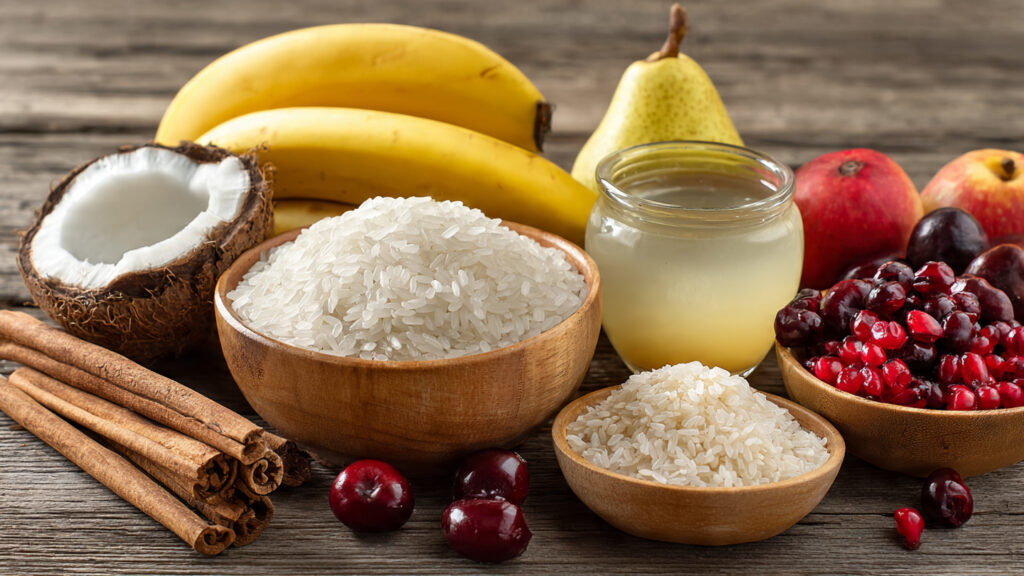
Have you ever wondered why some gardeners swear by rice water as a secret ingredient for enhancing the flavor of fruits? It may sound surprising, but using rice water—a simple byproduct of washing or soaking rice—can make fruits taste sweeter, juicier, and more vibrant. This natural, low-cost method has gained attention among home gardeners, small-scale farmers, and enthusiasts looking for organic ways to improve the quality of their produce. But what is it about rice water that transforms fruit flavor, and how does it work? In this guide, we explore the science, methods, and practical tips for using rice water to boost fruit sweetness and quality.
What Is Rice Water?
Rice water is the starchy liquid left over after rinsing or soaking rice. It contains:
- Carbohydrates: Primarily starch, which provides an energy source for plants.
- Minerals: Including small amounts of potassium, phosphorus, magnesium, and trace elements.
- Vitamins: Such as B vitamins that support plant metabolism.
- Organic compounds: Sugars and amino acids that can improve soil microbial activity.
Because of these components, rice water can serve as a gentle, natural fertilizer, enhancing plant growth while also influencing fruit flavor.
There are two common types of rice water:
- Rinse water: The water used to wash rice before cooking, usually lightly starchy.
- Soaking water: Water used to soak rice before cooking, richer in starch and nutrients.
Both types can be applied to plants, though soaking water generally provides stronger effects due to higher nutrient content.
How Rice Water Influences Fruit Sweetness
The key to understanding why rice water makes fruits sweeter lies in plant physiology and soil microbiology. Here are the main factors:
1. Natural Sugars and Starches
- The starch in rice water contains glucose polymers, which can break down into simple sugars in the soil.
- These sugars stimulate microbial activity in the soil, supporting a healthy rhizosphere.
- Microbes convert organic matter into forms of nutrients that plants can absorb more efficiently, indirectly boosting sugar content in fruits.
2. Enhanced Nutrient Uptake
- Rice water contains potassium, a crucial nutrient for fruit development.
- Potassium improves carbohydrate synthesis within plants, directing more sugars to fruits rather than leaves or stems.
- Increased carbohydrate allocation results in naturally sweeter, more flavorful fruits.
3. Improved Soil Microbiology
- Beneficial microbes in soil thrive when given extra organic matter, such as the starch in rice water.
- These microbes aid nutrient cycling, enhance root health, and make minerals more accessible to plants.
- Healthier plants with robust roots produce fruits with higher sugar content and better overall quality.
4. Plant Stress Reduction
- Rice water can help retain moisture and support mild nutritional supplementation.
- Well-hydrated, stress-free plants tend to produce sweeter fruits because stress often triggers bitterness or reduced sugar accumulation.
Types of Fruits That Benefit
Rice water can enhance the flavor of many fruits, but certain types respond particularly well:
- Berries: Strawberries, raspberries, and blueberries develop more intense sweetness and juiciness.
- Citrus Fruits: Oranges, lemons, and tangerines can have higher sugar content with a balanced tartness.
- Melons: Watermelons, cantaloupes, and muskmelons often taste richer and sweeter when fed rice water.
- Tropical Fruits: Papayas, guavas, and mangoes benefit from improved sugar allocation and juiciness.
- Tomatoes (technically a fruit): Cherry and vine tomatoes can develop a sweeter, more aromatic flavor profile.
The effects may vary based on plant variety, soil type, and environmental conditions, but many gardeners report noticeable improvements in sweetness and aroma.
How to Use Rice Water in Your Garden
Using rice water is simple, but proper application ensures maximum benefits:
1. Collecting Rice Water
- Wash or soak rice as usual, collecting the water in a clean container.
- Avoid using rice that contains chemical coatings or additives.
2. Diluting the Rice Water
- For most plants, dilute rice water with 2–3 parts fresh water to 1 part rice water.
- Overly concentrated rice water can encourage mold growth or attract unwanted pests.
3. Application Methods
- Soil Drench: Pour diluted rice water around the base of fruit plants, ensuring roots absorb nutrients.
- Foliar Spray: Use diluted rice water as a foliar spray to provide nutrients directly to leaves, enhancing photosynthesis and overall plant vigor.
- Regular Schedule: Apply once or twice a week during the growing and fruiting season for consistent results.
4. Compost Integration
- Rice water can also be mixed with compost or organic fertilizers to boost microbial activity and nutrient release.
- This combination further improves fruit quality and soil health.
Scientific Insights Behind Rice Water and Sweetness
Several studies and gardening experiments support the connection between rice water and improved fruit flavor:
- Potassium Effect: Research indicates that potassium-rich fertilizers improve sugar content in fruits. Rice water naturally contains potassium, enhancing carbohydrate synthesis.
- Microbial Stimulation: Beneficial soil microbes, stimulated by rice starch, increase nutrient availability, which directly affects fruit development and sweetness.
- Stress Mitigation: Organic amendments like rice water help plants cope with minor drought or nutrient stress, reducing bitterness in fruits.
While rice water is not a replacement for complete fertilization, it acts as a natural enhancer that promotes sweeter and healthier fruits.
Tips for Maximizing the Effect
To get the most out of rice water, consider the following gardening tips:
- Use Fresh Rice Water: Apply immediately after collecting to prevent spoilage or fermentation.
- Combine with Mulching: Mulch retains soil moisture and enhances the effect of rice water applications.
- Monitor Plant Health: Observe changes in leaf color, fruit size, and sweetness to adjust application frequency.
- Avoid Overuse: Excess rice water can attract pests or create overly wet soil.
- Pair with Companion Fertilizers: Organic compost, worm castings, or biofertilizers can amplify benefits.
By integrating rice water thoughtfully into your garden routine, you can enhance fruit sweetness without chemical additives.
Additional Benefits of Rice Water
Besides increasing sweetness, rice water offers several other advantages for fruit crops:
- Cost-Effective: It’s a free or low-cost gardening resource.
- Eco-Friendly: Reduces household water waste by reusing rice rinse water.
- Disease Resistance: Some gardeners report healthier plants with fewer fungal issues when rice water is applied regularly.
- Growth Stimulation: Supports early seedling development and stronger root systems.
These benefits make rice water a practical, sustainable solution for home gardeners and small-scale farmers alike.
➡️ How to Grow Malabar Spinach from Cuttings for Fast, Easy Greens
➡️ How to Grow Super Delicious Cabbage at Home Without a Garden
➡️ How to Grow Bean Sprouts at Home in Plastic Bottles Easily (Step‑by‑Step Guide)
➡️ Why is Your Lemon Tree Blooming in the Heart of Winter?
➡️ Why Should Your Garden Have a Dedicated Pollinator Highway?
➡️ Why Do Your Fruit Trees Need a Winter Wash to Thrive in Spring?
➡️ How Can Rice Water Transform Your Fruits into Sweeter Delights?
➡️ Jumpstart Your Winter Garden: Seed Starting Under Lights
Common Mistakes to Avoid
- Using Contaminated Rice Water: Avoid rice treated with pesticides or additives.
- Over-Concentration: Undiluted rice water can encourage mold or pests.
- Ignoring Soil Drainage: Ensure proper drainage to prevent root rot.
- Inconsistent Application: Sporadic use may not produce noticeable improvements in fruit flavor.
- Applying During Extreme Heat: High temperatures can cause rice water to evaporate quickly or stress the plants.
Avoiding these mistakes ensures that rice water has the intended positive effect on your fruits.
Conclusion
Rice water is a simple, natural, and surprisingly effective way to enhance the sweetness of fruits. By providing essential nutrients, stimulating soil microbes, and supporting carbohydrate synthesis, rice water helps plants produce sweeter, juicier, and more flavorful fruits. Its ease of use, cost-effectiveness, and eco-friendliness make it an excellent addition to any gardener’s toolkit.
Whether you’re growing berries, tomatoes, melons, or tropical fruits, incorporating rice water into your watering routine can transform the taste of your harvest. Applied thoughtfully and consistently, rice water enhances not only sweetness but also plant health and productivity, giving you a garden full of flavorful, natural, and vibrant fruits.
From a scientific and practical standpoint, the effect of rice water demonstrates the power of organic, simple interventions in improving both crop quality and sustainability. Next time you rinse rice, don’t pour the water down the drain—save it for your plants, and experience the natural sweetness it brings to your garden.