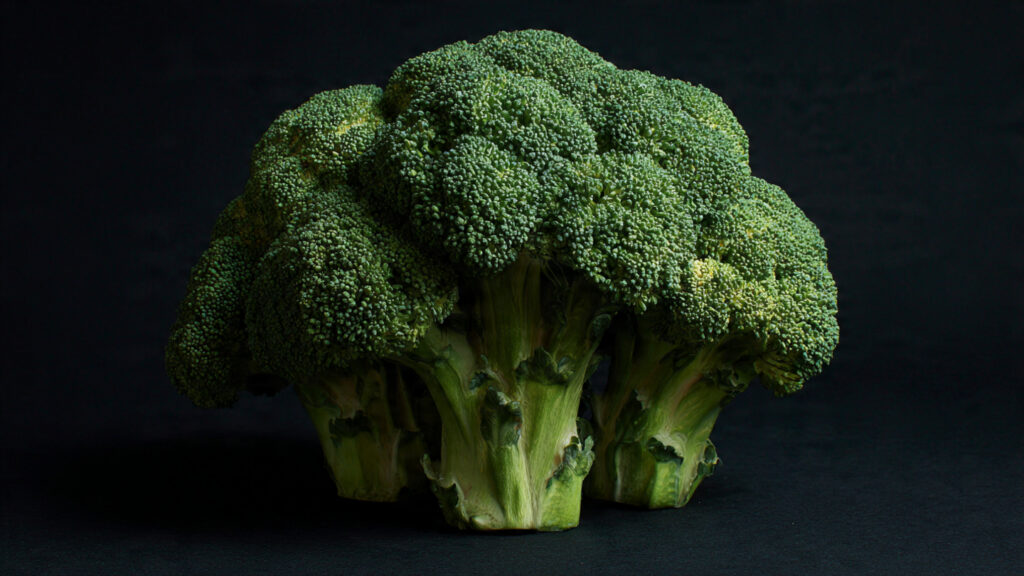
Broccoli is one of the most rewarding vegetables to grow in a home garden, offering nutritious heads packed with vitamins, minerals, and antioxidants. However, many gardeners struggle with a common problem: broccoli “bolting” or flowering too early, which results in smaller, bitter heads and a frustrating harvest. Fortunately, there are hidden techniques that can help your broccoli stay on track, delay flowering, and produce large, tender heads.
In this article, we’ll explore why broccoli bolts prematurely, the conditions that trigger early flowering, and the little-known strategies that professional gardeners use to maintain healthy, productive plants throughout the season.
Understanding the Bolting Problem
“Bolting” occurs when broccoli prematurely sends up a flowering stalk before the central head fully develops. This is usually triggered by environmental stress, which signals the plant to shift from vegetative growth to reproduction. While flowering is a natural survival mechanism, it’s undesirable for gardeners because it:
- Reduces head size.
- Alters flavor, making broccoli bitter.
- Ends the primary harvest.
Understanding what causes bolting is essential to keeping your broccoli “on track” and maximizing yield.
Common Triggers of Early Flowering
Several factors can cause broccoli to flower prematurely, and identifying these triggers is the first step in prevention:
1. Temperature Stress
Broccoli prefers cool weather, ideally between 60–70°F (15–21°C). Temperatures above 75°F (24°C) can stress the plant, accelerating bolting.
Signs of temperature stress:
- Yellowing lower leaves.
- Smaller central head.
- Rapid elongation of the flowering stalk.
Solution: Plant broccoli in early spring or late summer for a fall harvest to avoid extreme heat, or provide shade during hot afternoons.
2. Inconsistent Watering
Broccoli is sensitive to soil moisture. Fluctuations between drought and waterlogging can stress the plant and trigger early flowering.
Signs of water stress:
- Wilting leaves during the day.
- Dry or cracked soil.
- Small or spindly heads.
Solution: Maintain consistent soil moisture by mulching and watering deeply 1–2 times per week, depending on rainfall. Avoid letting the soil dry out completely.
3. Nutrient Deficiencies
A lack of key nutrients, particularly nitrogen, phosphorus, and potassium, can weaken broccoli and encourage bolting.
Solution:
- Use balanced fertilizer or compost rich in nitrogen to support vegetative growth.
- Consider slow-release fertilizers for steady nutrient supply.
- Supplement with foliar sprays of seaweed or fish emulsion to provide trace elements.
4. Age and Variety
Some broccoli varieties are more prone to early flowering, especially fast-maturing types. Planting a variety suited to your climate and intended harvest time is critical.
Solution:
➡️ How to Grow Malabar Spinach from Cuttings for Fast, Easy Greens
➡️ How to Grow Super Delicious Cabbage at Home Without a Garden
➡️ How to Grow Bean Sprouts at Home in Plastic Bottles Easily (Step‑by‑Step Guide)
➡️ Why is Your Lemon Tree Blooming in the Heart of Winter?
➡️ Why Should Your Garden Have a Dedicated Pollinator Highway?
➡️ Why Do Your Fruit Trees Need a Winter Wash to Thrive in Spring?
➡️ How Can Rice Water Transform Your Fruits into Sweeter Delights?
➡️ Jumpstart Your Winter Garden: Seed Starting Under Lights
- Select heat-tolerant or slow-bolting varieties for warmer climates.
- Stagger planting dates to avoid peak summer heat stress.
The Hidden Technique: Timing, Temperature, and Stress Management
While temperature, water, and nutrition are known factors, there is a hidden technique that professional gardeners rely on to prevent early flowering: managing plant stress and controlling growth timing through succession planting, microclimate adjustment, and targeted pinching.
1. Succession Planting
By planting broccoli in staggered intervals, you can ensure that plants encounter optimal temperatures during their head-forming stage.
How it works:
- Start seeds indoors 4–6 weeks before the last frost for spring crops.
- Plant successive batches every 2–3 weeks to spread harvest and reduce the impact of heat waves.
- For fall harvests, plant seedlings in midsummer so they mature in cooler weather.
This timing technique ensures broccoli develops heads before stressful high temperatures arrive, reducing the likelihood of premature bolting.
2. Microclimate Management
Creating a microclimate around your broccoli plants can delay flowering and promote healthy head development.
Techniques include:
- Shade cloths: Provide partial shade during the hottest part of the day to keep temperatures optimal.
- Row covers: Protect against extreme cold, wind, or insect damage, maintaining consistent growth conditions.
- Raised beds: Improve soil drainage and temperature control, reducing stress caused by excess heat or waterlogging.
By adjusting the local environment, you can trick the plant into maintaining vegetative growth longer, postponing the flowering stage.
3. Pinching and Leaf Management
A subtle but effective hidden technique is selective pinching or leaf trimming. Removing older, lower leaves or trimming slightly stressed tips can redirect the plant’s energy into the central head instead of flowering.
How to apply it:
- Remove damaged or yellowing leaves early.
- Trim side shoots carefully if the central head is not developing evenly.
- Avoid over-trimming, which can stress the plant further.
This targeted management encourages head development while suppressing premature flowering, a technique used by professional vegetable growers.
4. Mulching and Soil Health
Maintaining healthy soil and consistent moisture is part of the hidden strategy. Mulch:
- Regulates soil temperature.
- Conserves water.
- Reduces weed competition, which can stress broccoli plants.
Organic mulches like straw, compost, or shredded leaves create a stable growth environment, keeping plants on track and delaying bolting.
5. Water Stress Control Through Drip Irrigation
Professional gardeners often use drip irrigation to provide steady moisture directly to the roots. This eliminates water fluctuations, a major stressor that triggers early flowering.
Benefits of drip irrigation:
- Conserves water by reducing evaporation.
- Keeps leaves dry, reducing disease risk.
- Promotes even growth and consistent head formation.
Even simple soaker hoses can mimic this effect in home gardens, keeping broccoli heads tender and preventing bolting.
Harvesting for Maximum Yield
Even with careful techniques, timing your harvest correctly is crucial.
- Harvest the central head when it is firm and tight, before any yellow flowers appear.
- Allow side shoots to grow after the main head is harvested; many varieties produce secondary heads over several weeks.
- Regularly harvesting encourages the plant to focus energy on new growth rather than flowering.
Following these harvesting practices maximizes yield and flavor while keeping the plant productive throughout the season.
Companion Planting to Reduce Stress
Certain companion plants can naturally reduce stress on broccoli and improve growth:
- Lettuce or spinach: Provide ground cover and reduce soil temperature fluctuations.
- Herbs like dill and rosemary: Repel pests and improve overall garden health.
- Legumes (beans, peas): Fix nitrogen in the soil, promoting leafy growth and delaying bolting.
Integrating broccoli into a diverse planting scheme strengthens the plant and supports consistent, high-quality head development.
Common Mistakes to Avoid
Even with hidden techniques, some practices can undermine broccoli growth:
- Planting too late in hot weather, which accelerates flowering.
- Over-fertilizing with high nitrogen late in the season, which encourages foliage at the expense of head formation.
- Ignoring water stress or uneven soil moisture.
- Allowing crowding, which reduces airflow and increases stress.
Avoiding these mistakes while implementing succession planting, microclimate management, and selective pinching is key to success.
Conclusion
Growing broccoli that stays on track without flowering early requires more than just regular watering and fertilization. By understanding the hidden technique—a combination of stress management, timing, microclimate adjustments, and careful plant handling—gardeners can significantly improve their harvests.
Key steps to success include:
- Staggered succession planting to avoid temperature extremes.
- Creating favorable microclimates with shade, row covers, and raised beds.
- Pinching or trimming leaves to direct energy toward head formation.
- Mulching and consistent irrigation to maintain soil health.
- Companion planting to naturally support broccoli growth.
By applying these strategies, gardeners can enjoy larger, tender, flavorful broccoli heads, reduce premature bolting, and achieve a highly productive vegetable garden. This combination of timing, care, and subtle interventions is the hidden key that transforms broccoli cultivation from a gamble into a consistent, reliable harvest.