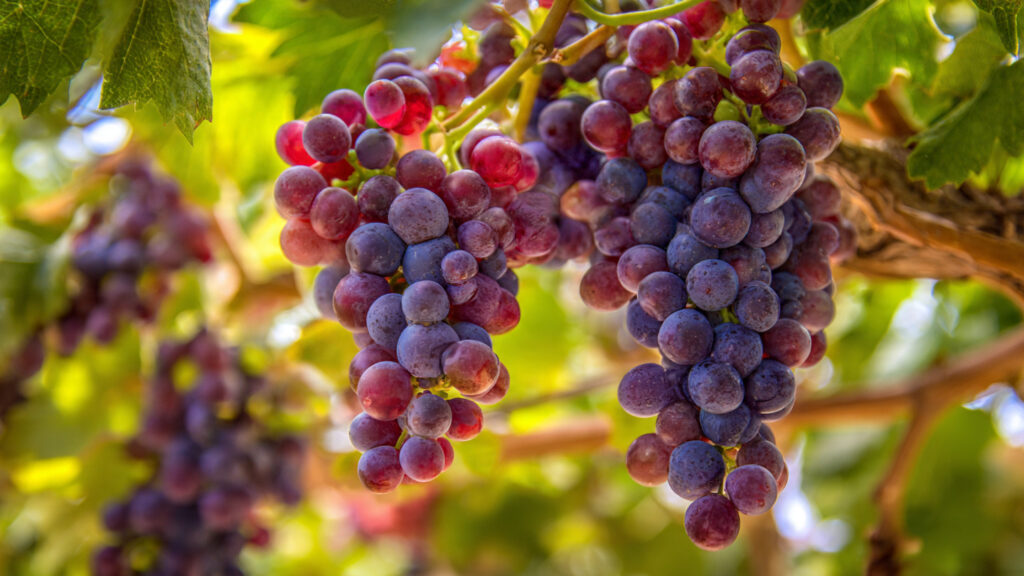
Few garden rewards are as satisfying as harvesting plump, juicy grapes straight from your own backyard. Whether enjoyed fresh, juiced, or transformed into jams and preserves, backyard grape cultivation combines beauty, productivity, and taste. Yet many gardeners struggle with small, sparse clusters or low yields. The secret to growing massive bunches of grapes lies in careful planning, smart cultivation techniques, and attentive care throughout the growing season.
In this article, we’ll explore the essential steps, techniques, and tips to ensure your grapevines thrive and produce abundant, sizable clusters year after year.
Understanding Grape Growth
Grapevines are perennial climbing plants that thrive in temperate climates with plenty of sunlight. Before attempting to maximize yield, it’s important to understand how grapevines develop:
- Canes and Spurs: Grapes grow from new shoots called canes, which form the framework for flower buds and fruit clusters.
- Flowering and Pollination: Grapevines produce flowers that are pollinated by wind or insects. Proper flowering leads to healthy fruit set.
- Fruit Development: After pollination, grapes enlarge and ripen over weeks, requiring balanced nutrition, water, and sunlight.
A strong understanding of these stages allows gardeners to apply targeted care at the right time for maximum bunch size.
Step 1: Choosing the Right Grape Variety
Selecting a grape variety suited to your climate and soil is the first step toward large, bountiful bunches.
Key Considerations:
- Climate: Some grapes prefer warm, sunny regions, while others tolerate cooler climates.
- Purpose: Table grapes are often larger and sweeter, while wine grapes focus on flavor intensity.
- Disease Resistance: Varieties resistant to common diseases such as powdery mildew or downy mildew reduce maintenance challenges.
Popular high-yield table grape varieties include:
- Concord: Sweet, large clusters, great for fresh eating or juice.
- Flame Seedless: Crisp and sweet, ideal for large backyard clusters.
- Thompson Seedless: Classic, prolific, and easy to grow in warmer climates.
Choosing the right variety sets the stage for healthy vines and massive grape bunches.
Step 2: Preparing the Soil
Healthy soil is critical for supporting vigorous vine growth and fruit production. Grapevines thrive in well-drained, fertile soil with a slightly acidic to neutral pH (5.5–7.0).
Soil Preparation Tips:
- Test Your Soil: A soil test reveals nutrient levels and pH, helping you amend deficiencies.
- Add Organic Matter: Compost or well-rotted manure improves soil fertility and water retention.
- Ensure Drainage: Grapevines dislike soggy roots. Raised beds or sloped planting areas are ideal.
- Mulching: A layer of organic mulch suppresses weeds, retains moisture, and slowly adds nutrients.
Soil preparation ensures that grapevines have the nutrients and structure necessary to support large fruit clusters.
Step 3: Strategic Planting
Planting location and spacing directly affect grape yield and bunch size.
Location Tips:
- Sunlight: Grapes require at least 6–8 hours of direct sunlight daily. More sun = bigger, sweeter grapes.
- Air Circulation: Avoid low, damp areas that promote disease.
- Support Structure: Trellises, arbors, or fences provide vertical growth, improving airflow and sunlight exposure.
Spacing:
- Space vines 6–10 feet apart for optimal growth and reduced competition.
- Train vines along trellises to prevent overcrowding, which can reduce fruit size and increase disease risk.
Proper planting maximizes sunlight, airflow, and nutrient availability, all of which are essential for massive grape bunches.
Step 4: Pruning for Bigger Clusters
Pruning is perhaps the most critical factor in producing large, dense grape clusters. Grapevines produce fruit on one-year-old canes, so careful pruning encourages new growth and fruit development.
Pruning Tips:
- Dormant Pruning: In winter, remove old, unproductive canes and shorten last season’s growth.
- Summer Pruning: Trim excess shoots that shade fruit, improving sunlight penetration and air circulation.
- Cluster Thinning: Remove some smaller fruit clusters to allow remaining grapes to grow larger and sweeter.
Proper pruning directs the plant’s energy into fewer, larger clusters rather than many small, underdeveloped ones.
Step 5: Watering and Irrigation
Consistent water is crucial, especially during flowering and fruit development.
- Deep, Infrequent Watering: Encourages deep root growth.
- Reduce Water Before Harvest: Slight water stress near ripening concentrates sugar and flavor in grapes.
- Avoid Overwatering: Excess moisture can cause root rot, dilute flavors, and reduce cluster size.
Balancing water availability ensures grapes grow plump and juicy while maintaining strong vine health.
➡️ How to Grow Malabar Spinach from Cuttings for Fast, Easy Greens
➡️ How to Grow Super Delicious Cabbage at Home Without a Garden
➡️ How to Grow Bean Sprouts at Home in Plastic Bottles Easily (Step‑by‑Step Guide)
➡️ Why is Your Lemon Tree Blooming in the Heart of Winter?
➡️ Why Should Your Garden Have a Dedicated Pollinator Highway?
➡️ Why Do Your Fruit Trees Need a Winter Wash to Thrive in Spring?
➡️ How Can Rice Water Transform Your Fruits into Sweeter Delights?
➡️ Jumpstart Your Winter Garden: Seed Starting Under Lights
Step 6: Fertilization for Fruit Development
Nutrient management is key to producing large, healthy grape clusters. Grapevines need a balance of nitrogen, phosphorus, and potassium, plus trace minerals.
Fertilization Guidelines:
- Nitrogen: Supports leafy growth, but too much reduces fruit size.
- Phosphorus and Potassium: Promote flowering, fruit set, and berry development.
- Organic Fertilizers: Compost, well-rotted manure, or fish emulsion provide nutrients without chemical overload.
- Micronutrients: Magnesium, calcium, and iron improve grape quality.
Apply fertilizer before flowering and during early fruit development to maximize cluster size.
Step 7: Pest and Disease Management
Healthy vines produce larger, more numerous grape clusters. Wasps, birds, fungal infections, and insects can all affect yields.
Common Pests:
- Birds: Netting protects developing fruit.
- Aphids and leafhoppers: Control with insecticidal soaps or natural predators.
- Grape moths: Remove affected clusters and monitor for larvae.
Disease Control:
- Powdery mildew and downy mildew thrive in humid, shaded conditions.
- Ensure good airflow through proper pruning and trellis spacing.
- Use fungicides or natural remedies if needed, following instructions carefully.
Keeping pests and diseases in check ensures energy is directed into growth and fruit development, not defense.
Step 8: Sunlight and Microclimate Management
Grapes need adequate sunlight to ripen fully and produce large, sweet clusters.
- South-Facing Orientation: Plant vines on south-facing slopes or walls to maximize sun exposure.
- Reflective Surfaces: Light-colored walls or stones can reflect additional sunlight onto the vines.
- Wind Protection: Gentle winds improve airflow, but strong winds can damage clusters. Consider fencing or natural windbreaks.
Maximizing sunlight ensures grapes reach full size, color, and flavor.
Step 9: Harvest Timing
The size and sweetness of grape clusters depend on picking at the right time.
- Sugar Content: Test berries for sweetness with a refractometer or taste test.
- Uniform Ripening: Wait until most berries in a cluster are fully ripe to harvest.
- Gentle Handling: Avoid crushing grapes to prevent damage and disease spread.
Correct harvest timing preserves flavor and ensures the effort invested throughout the season results in massive, luscious clusters.
Step 10: Additional Tips for Maximum Yield
- Regular Observation: Monitor vine health, water, and nutrient levels weekly.
- Companion Planting: Plant herbs or flowers nearby to attract pollinators and beneficial insects.
- Training Techniques: Use vertical or horizontal cordon training to maximize fruit-bearing shoots.
- Patience: Grapevines often produce heavier yields after 2–3 years of establishment.
Attention to detail and consistent care are key to turning your backyard vineyard into a fruit-producing powerhouse.
Conclusion
Growing massive grape clusters in your backyard is achievable with the right variety, soil preparation, planting strategy, pruning, watering, fertilization, pest control, and sunlight management. By focusing on vine health and energy allocation, you encourage fewer but larger clusters that are plump, flavorful, and abundant.
A thriving backyard vineyard offers more than just fruit—it provides aesthetic beauty, a rewarding hobby, and the satisfaction of harvesting nature’s bounty directly from your own garden. With patience, care, and attention to detail, you can transform your backyard into a grape-growing paradise, complete with massive, juicy clusters that impress both the eye and the palate.