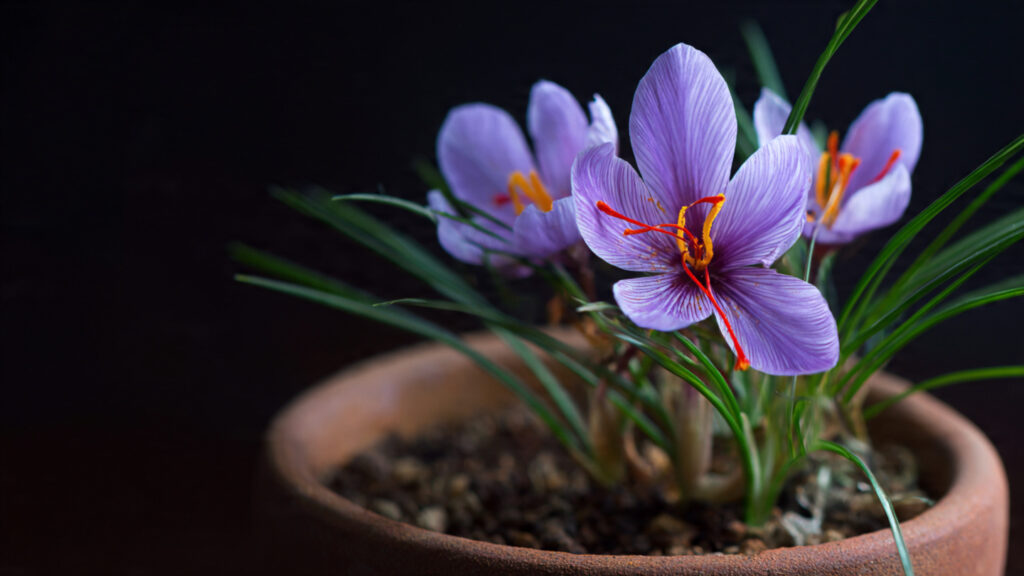
Marigolds are one of the most beloved flowers in gardens worldwide, not only for their bright, cheerful blooms but also for their remarkable benefits to vegetable gardens. Often overlooked as more than just decorative plants, marigolds offer a range of advantages that can boost crop health, deter pests, and enrich the overall ecosystem of your garden. Whether you are a seasoned gardener or a beginner, incorporating marigolds into your vegetable garden can be a simple yet highly effective strategy.
Here’s an in-depth look at the surprising advantages marigolds bring to vegetable gardens and how to maximize their benefits.
1. Natural Pest Deterrent
One of the most celebrated benefits of marigolds is their ability to repel pests. Certain species of marigolds produce chemical compounds in their roots and flowers that deter harmful insects and nematodes.
- Nematode control: Root-knot nematodes, which attack vegetable roots, are discouraged by compounds released by marigold roots, particularly African marigolds (Tagetes erecta).
- Insect repellents: The scent of marigold flowers can deter aphids, whiteflies, and tomato hornworms from nearby crops.
- Trap cropping: Some gardeners plant marigolds as a decoy to attract pests away from valuable vegetables.
Tip: Interplant marigolds with tomatoes, peppers, cucumbers, or squash to naturally reduce pest pressure.
2. Attract Beneficial Insects
While marigolds repel harmful pests, they also attract helpful insects, enhancing the garden ecosystem.
- Pollinators: Bees and butterflies are drawn to marigolds, improving pollination of nearby vegetable crops.
- Predatory insects: Ladybugs, hoverflies, and lacewings are attracted to marigolds, feeding on aphids and other harmful pests.
- Biodiversity: Increasing beneficial insects creates a balanced environment, reducing the need for chemical interventions.
Tip: Plant marigolds near vegetables that rely on pollinators, such as cucumbers, zucchini, and tomatoes, to maximize yield.
3. Improved Soil Health
Marigolds can contribute to healthier soil conditions, which is essential for vegetable growth.
- Root exudates: Compounds released by marigold roots can suppress soil-borne pathogens and promote beneficial microbes.
- Soil coverage: Dense marigold planting reduces bare soil exposure, minimizing erosion and nutrient loss.
- Organic matter: After flowering, marigold plants can be composted, enriching the soil with organic material and nutrients.
Tip: Consider rotating marigolds with vegetables to enhance soil fertility and reduce disease buildup in consecutive growing seasons.
4. Companion Planting Advantages
Marigolds excel as companion plants due to their natural synergy with many vegetables.
- Tomatoes: Marigolds repel nematodes and certain insects, helping tomato plants thrive.
- Cucumbers: Aphids and beetles are less likely to infest cucumber plants near marigolds.
- Carrots and onions: Marigolds can help mask the scent of carrots and onions, reducing pest attacks.
- Squash and zucchini: Planting marigolds near these crops deters squash bugs and beetles.
Tip: Plant small marigold varieties among low-growing vegetables and taller varieties along the borders for optimal pest control.
5. Long Blooming Period
Marigolds provide continuous visual interest while benefiting your garden throughout the growing season.
- Extended flowering: Many varieties bloom from early summer to late fall, offering long-lasting coverage.
- Attractive foliage: Even when not in full bloom, marigold foliage adds texture and greenery to garden beds.
- Seasonal consistency: Their steady bloom schedule ensures ongoing pest deterrence and beneficial insect attraction.
Tip: Succession planting of marigolds ensures continuous blooms, which keeps pests away and pollinators visiting throughout the season.
6. Easy to Grow and Low Maintenance
Marigolds are remarkably easy to cultivate, making them ideal for beginner gardeners or those with busy schedules.
- Sun requirements: Full sun is ideal, and marigolds tolerate high temperatures and bright conditions.
- Soil tolerance: They grow well in a wide range of soils, provided it is well-draining.
- Minimal care: Once established, marigolds require little attention beyond occasional watering and deadheading.
Tip: For low-maintenance gardening, choose hardy varieties like African or French marigolds, which thrive even in challenging conditions.
7. Enhancing Garden Aesthetics
Beyond practical benefits, marigolds add vibrant color and visual appeal to vegetable gardens.
➡️ How to Grow Malabar Spinach from Cuttings for Fast, Easy Greens
➡️ How to Grow Super Delicious Cabbage at Home Without a Garden
➡️ How to Grow Bean Sprouts at Home in Plastic Bottles Easily (Step‑by‑Step Guide)
➡️ Why is Your Lemon Tree Blooming in the Heart of Winter?
➡️ Why Should Your Garden Have a Dedicated Pollinator Highway?
➡️ Why Do Your Fruit Trees Need a Winter Wash to Thrive in Spring?
➡️ How Can Rice Water Transform Your Fruits into Sweeter Delights?
➡️ Jumpstart Your Winter Garden: Seed Starting Under Lights
- Bright flowers: Their vivid yellow, orange, and red hues create a cheerful and inviting garden space.
- Border and row planting: Marigolds can line vegetable beds, creating natural boundaries and enhancing garden design.
- Pollinator-friendly gardens: Attractive blooms encourage bees and butterflies, creating a lively, biodiverse garden environment.
Tip: Use a mix of tall and dwarf marigold varieties to create layered height and visual depth in your garden.
8. Disease Suppression
Marigolds not only repel pests but also play a role in reducing disease in your vegetable garden.
- Soil-borne pathogens: Certain compounds produced by marigold roots inhibit the growth of harmful fungi and bacteria.
- Leaf protection: The presence of marigolds can discourage pests that transmit diseases to vegetables, such as aphids carrying viruses.
- Crop rotation: Planting marigolds before or alongside sensitive crops can reduce pathogen buildup in soil.
Tip: Incorporate marigolds as part of an integrated pest and disease management strategy to naturally boost garden health.
9. Practical Planting Tips
To maximize the advantages of marigolds, proper planting and care are essential.
- Timing: Sow seeds after the last frost for optimal growth.
- Spacing: Plant small marigolds 6–12 inches apart and taller varieties 12–18 inches apart for adequate airflow.
- Sunlight: Choose full sun locations to promote vibrant blooms.
- Soil preparation: Mix compost into soil for added fertility.
- Watering: Keep soil evenly moist initially; established plants tolerate brief dry spells.
- Deadheading: Remove spent flowers to encourage continuous blooming.
- Border placement: Plant along vegetable rows or around the garden perimeter for maximum pest control benefits.
Tip: Companion planting with vegetables like tomatoes, peppers, or cucumbers can help create a harmonious and productive garden ecosystem.
10. Environmental and Ecological Benefits
Marigolds contribute to the overall ecological balance of your vegetable garden.
- Pollinator support: Continuous blooms attract and sustain bees, butterflies, and other pollinators.
- Biodiversity: They provide habitat and nectar for beneficial insects.
- Reduced chemical use: By naturally repelling pests and suppressing disease, marigolds reduce the need for pesticides and chemical fertilizers.
Tip: Encourage a mix of flowering plants along with marigolds to create a diverse, resilient garden ecosystem.
Conclusion
Marigolds are much more than just bright, cheerful flowers—they are powerful allies for vegetable gardeners. Their ability to repel pests, attract beneficial insects, suppress soil-borne diseases, improve soil health, and enhance garden aesthetics makes them invaluable companions to nearly any vegetable crop. Easy to grow, low-maintenance, and resilient, marigolds are particularly suitable for gardeners looking to create a productive, healthy, and visually appealing vegetable garden.
By strategically incorporating marigolds into your vegetable beds—whether along borders, between rows, or interplanted with crops—you can naturally protect plants, boost pollination, and create a thriving garden ecosystem. Their vibrant blooms, extended flowering period, and ecological contributions demonstrate that marigolds are not only beautiful but functional, sustainable, and practical additions to your vegetable garden.
For gardeners seeking a simple, effective, and visually striking way to enhance both the health and productivity of their garden, marigolds stand out as a truly surprising and indispensable ally.