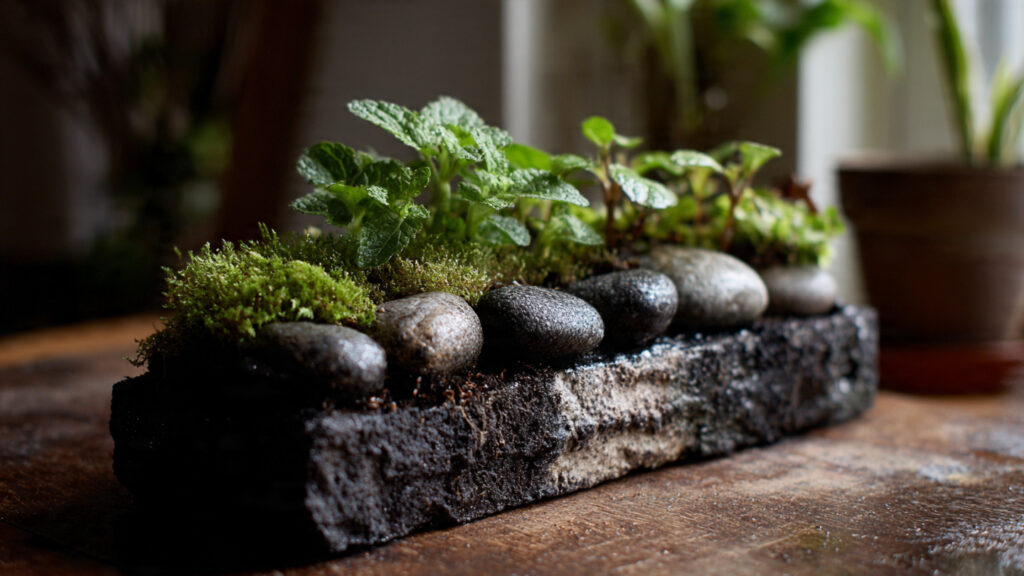
For indoor gardeners, fungus gnats are one of the most frustrating pests. These tiny, mosquito-like insects may seem harmless at first glance, but their larvae feed on plant roots, damaging seedlings and reducing the overall health of your houseplants. Over the years, gardeners have tried numerous strategies to control these pests, from chemical insecticides to natural remedies. One popular method gaining attention is using decorative stones, like pebbles or gravel, as a top layer on potted plants. But can decorative stones really stop fungus gnats from invading your plants, or is it just a trendy gardening myth?
Understanding Fungus Gnats
Before evaluating the effectiveness of decorative stones, it’s essential to understand the life cycle and behavior of fungus gnats. Fungus gnats are small, black, or dark brown insects that thrive in moist, organic-rich soil. Adult gnats are weak fliers and usually hover near the soil surface. While adult gnats are mostly harmless, the real damage comes from their larvae, which live in the soil and feed on plant roots and organic matter. This feeding can stunt plant growth, cause yellowing leaves, and make young plants more susceptible to disease.
Fungus gnats reproduce quickly. Female gnats lay hundreds of eggs in moist soil, and these eggs hatch into larvae within a few days. The larvae can survive in overly damp soil for weeks, making it challenging to eradicate them once they become established. For this reason, preventing fungus gnats from accessing the soil in the first place is often more effective than trying to eliminate them after an infestation.
How Decorative Stones Are Supposed to Work
The theory behind using decorative stones to control fungus gnats is simple: a layer of stones on top of the soil creates a physical barrier that prevents adult gnats from laying eggs. Since gnats prefer to deposit eggs in moist, exposed soil, the stones supposedly make it more difficult for them to access the soil surface. Additionally, stones may help soil dry slightly faster by reducing evaporation from the top layer, creating less favorable conditions for gnat larvae.
Many gardeners use materials like:
- River rocks
- Polished pebbles
- Crushed gravel
- Expanded clay pellets
The thickness of the layer can vary, but most recommendations suggest a depth of 1–2 centimeters to form an effective barrier.
What the Research and Experience Show
While the idea of decorative stones as a gnat deterrent is appealing, the effectiveness varies depending on the situation. Here’s what research and practical experience tell us:
1. Barrier Effect
Decorative stones can reduce the number of adult gnats laying eggs on the soil surface. By covering exposed soil, you physically block the female gnat from depositing eggs directly where the larvae would thrive. Gardeners often report seeing fewer adult gnats hovering over their plants after adding a top layer of stones, suggesting some success.
However, this method is not foolproof. Fungus gnats are tiny and can find small gaps in stones, especially if the layer is thin or uneven. Eggs can also be laid in areas of the soil that remain exposed along the edges of the container. For larger pots or containers with irregular shapes, stones alone may not completely eliminate egg-laying.
2. Soil Moisture Considerations
Fungus gnats thrive in moist soil, so controlling moisture is critical. Decorative stones can slightly reduce evaporation, but they do not replace proper watering practices. Overwatering plants remains the primary reason for gnat infestations, and stones alone will not fix overly saturated soil. In fact, if the stones retain moisture beneath them, they may inadvertently create a microenvironment where larvae can survive.
3. Complementary Measures
To maximize the effectiveness of decorative stones, it’s often recommended to combine them with other preventive measures:
- Let the soil dry out: Gnats prefer consistently moist soil. Allowing the top 1–2 inches to dry between waterings can discourage egg-laying.
- Sticky traps: Yellow sticky traps catch adult gnats and help monitor infestations. Placing them near plants can reduce the number of flying adults.
- Biological controls: Beneficial nematodes or predatory mites can attack larvae in the soil, reducing population growth.
- Cinnamon or diatomaceous earth: Sprinkling these natural substances on the soil surface can add an extra layer of deterrence.
4. Aesthetic and Practical Benefits
Beyond pest control, decorative stones offer aesthetic advantages. They give potted plants a polished, finished look and can help prevent soil splash during watering. Stones also reduce evaporation from soil, which can be beneficial for maintaining consistent soil moisture in certain climates or for plants that prefer less frequent watering.
Common Mistakes When Using Stones
While decorative stones can help reduce fungus gnat activity, several common mistakes can limit their effectiveness:
- Layer Too Thin – A thin scattering of stones may look attractive but won’t form an effective barrier. Aim for at least 1–2 cm of coverage.
- Not Addressing Moisture – Stones alone cannot solve overwatering issues. Maintaining proper soil moisture is critical.
- Ignoring Other Infestation Sources – Fungus gnats can also breed in nearby damp soil, compost bins, or even spilled organic material on the floor. Removing these sources is necessary to fully control the problem.
- Using Organic Mulches – While some gardeners use bark or moss as top layers, these materials can retain moisture and inadvertently provide a breeding ground for gnats rather than deterring them.
Step-by-Step Guide to Using Decorative Stones Effectively
If you want to try decorative stones as part of your fungus gnat management plan, follow these steps:
- Prepare the Pot: Remove any visible adult gnats, larvae, or debris from the soil surface.
- Check Soil Moisture: Water your plant if needed, but ensure the soil is not soggy. Let it drain completely.
- Select Stones: Choose decorative stones that are small enough to cover the soil evenly but large enough to prevent gnats from squeezing through. Polished river rocks or pea gravel work well.
- Apply the Layer: Spread a 1–2 cm thick layer over the soil surface. Ensure all exposed soil is covered.
- Maintain Proper Care: Water the plant carefully to avoid saturating the soil and monitor humidity levels around indoor plants.
- Complement With Other Measures: Use sticky traps, allow the soil to dry between waterings, and consider biological controls if necessary.
Final Verdict
Can decorative stones stop fungus gnats? The answer is: partially. Decorative stones can act as a physical barrier, reduce egg-laying opportunities, and help manage moisture, but they are not a complete solution on their own. For best results, combine stones with good watering practices, environmental control, and, if necessary, biological or chemical interventions.
➡️ How to Grow Malabar Spinach from Cuttings for Fast, Easy Greens
➡️ How to Grow Super Delicious Cabbage at Home Without a Garden
➡️ How to Grow Bean Sprouts at Home in Plastic Bottles Easily (Step‑by‑Step Guide)
➡️ Why is Your Lemon Tree Blooming in the Heart of Winter?
➡️ Why Should Your Garden Have a Dedicated Pollinator Highway?
➡️ Why Do Your Fruit Trees Need a Winter Wash to Thrive in Spring?
➡️ How Can Rice Water Transform Your Fruits into Sweeter Delights?
➡️ Jumpstart Your Winter Garden: Seed Starting Under Lights
In other words, decorative stones are more of a preventive and aesthetic tool than a guaranteed cure. They can reduce gnat populations and make your plants less attractive to adult insects, but they cannot eradicate an established infestation without additional measures.
Conclusion
Fungus gnats are persistent pests, and controlling them requires a multi-pronged approach. Decorative stones can be a helpful part of this strategy, providing both a physical barrier and an attractive finishing touch to your potted plants. However, their effectiveness depends on proper application, soil moisture management, and complementary pest control techniques.
For indoor gardeners looking for a natural, low-maintenance method to reduce gnat activity, decorative stones are worth trying. But remember, vigilance is key. Monitor your plants regularly, avoid overwatering, and take action at the first sign of infestation. By combining aesthetic appeal with practical pest management, you can protect your plants from fungus gnats while keeping your indoor garden looking beautiful and healthy.