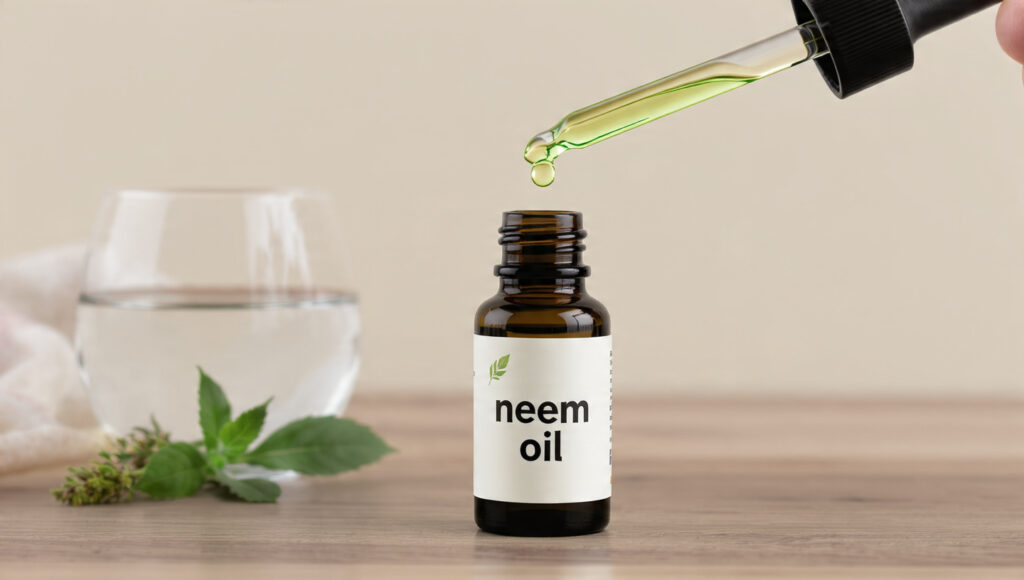
Neem oil has earned a reputation as a natural, powerful solution for protecting plants from pests, diseases, and fungal infections. Extracted from the seeds of the neem tree, this oil is widely used in home gardening and organic farming due to its eco-friendly nature and effectiveness. However, one common drawback gardeners face is its strong, pungent smell, which can be overwhelming for indoor spaces or those sensitive to odors.
If you love the benefits of neem oil but hate the smell, there are several strategies and techniques to use it effectively without turning your garden or home into an olfactory challenge. This article explores the most practical, safe, and effective ways to use neem oil while minimizing its odor.
Understanding Neem Oil and Its Benefits
Before discussing how to reduce the smell, it’s important to understand why neem oil is so valuable for gardeners:
- Natural Pest Control: Neem oil is effective against aphids, whiteflies, spider mites, mealybugs, and other common garden pests. It works by disrupting the feeding and reproductive cycles of insects, eventually reducing infestations.
- Fungal and Bacterial Protection: Neem oil can prevent powdery mildew, black spot, rust, and other fungal diseases, keeping leaves and stems healthy.
- Safe and Organic: Unlike chemical pesticides, neem oil is non-toxic to humans, pets, and beneficial insects, making it a safe choice for organic gardening.
- Nutritional Benefits for Plants: Some studies suggest neem oil can improve soil health and stimulate plant growth by promoting microbial activity.
The challenge, however, is its characteristic strong, bitter odor, which is often described as earthy or garlicky. This smell is natural, caused by compounds like azadirachtin, which are responsible for neem oil’s insecticidal properties. Fortunately, the odor can be managed with the right techniques.
Choosing the Right Quality of Neem Oil
Not all neem oils are created equal. Choosing the right quality can make a significant difference in both effectiveness and smell:
- Cold-Pressed, Refined Neem Oil: Refined neem oil tends to have a milder odor than raw or crude oil. Cold-pressing retains its effectiveness while reducing excessive pungency.
- Certified Organic Oil: Organic neem oil is free from synthetic chemicals that can exacerbate odor.
- Fresh Oil: Neem oil can oxidize over time, making it smell stronger and more bitter. Always use fresh, unopened bottles for the best experience.
Dilution: The Key to Reducing Smell
One of the most straightforward ways to minimize the strong smell is by diluting neem oil before use. Concentrated neem oil is incredibly potent and aromatic, but when diluted, it remains effective without overwhelming your senses.
Basic Dilution Method for Spray:
- Mix 1–2 teaspoons of neem oil with 1 quart (about 1 liter) of water.
- Add a few drops of mild liquid soap or neem-compatible emulsifier. This helps the oil mix evenly with water.
- Pour the mixture into a spray bottle and shake well before use.
Tips:
- Always dilute according to plant size and type to prevent leaf burn.
- Use smaller amounts indoors to keep the smell less noticeable.
Adding Natural Fragrance to Mask Odor
Neem oil’s smell can be softened using natural fragrances that do not interfere with its effectiveness. Some popular options include:
- Essential Oils: A few drops of lavender, peppermint, rosemary, or citrus essential oils can neutralize the strong scent. These oils are also safe for plants.
- Herbal Infusions: Steeping herbs like mint, chamomile, or lemongrass in water before adding neem oil creates a pleasant aroma.
- Citrus Peels: Adding small strips of orange or lemon peel to the spray mixture can naturally mask neem’s pungency.
Pro Tip: Use small quantities at first to avoid creating a competing scent that could stress sensitive plants.
Using Neem Oil Indoors Without Odor Issues
Applying neem oil indoors can be tricky because confined spaces amplify its smell. Here are some strategies to use neem oil safely indoors:
- Apply Early in the Morning or Late Afternoon: This prevents lingering smells during active hours.
- Ventilation Is Crucial: Open windows or use fans to circulate air while the neem oil dries.
- Spot Treatment: Instead of spraying the entire plant, target specific leaves or areas with visible pests.
- Spray Outside First: For strong-smelling neem oil, spray outside or in a garage and let it settle for a few hours before bringing the plant back indoors.
Temperature and Application Timing
Neem oil works best under specific environmental conditions, which also helps control odor:
- Avoid Hot, Sunny Days: High temperatures can intensify neem oil’s smell and may burn leaves.
- Apply During Cool, Calm Conditions: Early morning or evening allows the oil to absorb slowly and odor to dissipate.
- Humidity Considerations: Moderate humidity prevents rapid evaporation of neem oil, keeping the plant safe and odor manageable.
Combining Neem Oil With Water Mist
Another effective way to reduce odor while ensuring effective pest control is mixing neem oil with a fine water mist:
- Use a mist sprayer instead of a heavy spray to lightly coat leaves.
- The fine mist allows neem oil to adhere to leaves evenly while diluting the aroma in the air.
- Repeat every 7–14 days for preventive treatment.
This method is especially helpful for sensitive indoor plants like peace lilies, ferns, and orchids, where odors can linger in small spaces.
Neem Oil Alternatives for Sensitive Situations
If you want to enjoy neem oil’s benefits but absolutely cannot tolerate its smell, consider alternating with complementary organic pest control methods:
➡️ How to Grow Malabar Spinach from Cuttings for Fast, Easy Greens
➡️ How to Grow Super Delicious Cabbage at Home Without a Garden
➡️ How to Grow Bean Sprouts at Home in Plastic Bottles Easily (Step‑by‑Step Guide)
➡️ Why is Your Lemon Tree Blooming in the Heart of Winter?
➡️ Why Should Your Garden Have a Dedicated Pollinator Highway?
➡️ Why Do Your Fruit Trees Need a Winter Wash to Thrive in Spring?
➡️ How Can Rice Water Transform Your Fruits into Sweeter Delights?
➡️ Jumpstart Your Winter Garden: Seed Starting Under Lights
- Insecticidal Soap: Safe for indoor use with mild odor.
- Diatomaceous Earth: Controls crawling insects without scent.
- Garlic or Chili Spray: Natural pest deterrents that can substitute in rotation with neem oil.
By alternating neem oil with these methods, you reduce the intensity and frequency of odor while maintaining healthy, pest-free plants.
Storage Tips to Prevent Smell from Intensifying
Even when not in use, neem oil can develop a stronger odor if stored improperly. Follow these storage tips:
- Keep in a Cool, Dark Place: Sunlight and heat accelerate oxidation and odor.
- Seal Tightly: Prevent air exposure, which can make the oil rancid.
- Use Small Containers: Pour a small portion into a spray bottle for daily use, leaving the bulk bottle sealed.
Safety Considerations
While neem oil is natural, some precautions help reduce odor issues and ensure safe application:
- Avoid Inhalation: Even diluted neem oil can irritate sensitive noses. Wear a mask if spraying indoors.
- Skin Contact: Wash hands after use or wear gloves to avoid irritation.
- Pet Safety: Neem oil is generally safe for pets but avoid spraying directly on them.
Final Thoughts
Neem oil is an incredible natural ally for gardeners, but its strong odor can be a deterrent. By following these strategies — dilution, natural masking scents, careful indoor application, proper storage, and temperature management — you can enjoy all the benefits of neem oil without the overpowering smell.
Whether you’re growing a small indoor collection of houseplants or maintaining an outdoor garden, these tips make neem oil practical, effective, and user-friendly. With a little care and planning, you can have healthy, pest-free plants while keeping your environment fresh and pleasant.
By incorporating these methods into your gardening routine, you’ll no longer have to choose between effective pest control and comfort. Neem oil’s natural power can be harnessed discreetly, giving your plants the protection they need — and you a garden that smells clean and inviting.