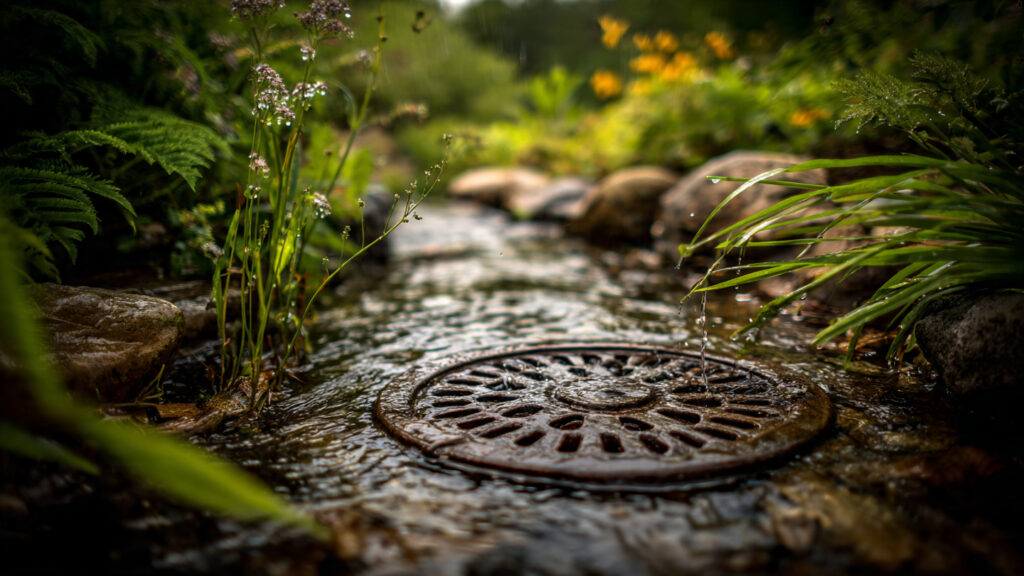
When it comes to gardening, most people instinctively think that sunlight is the ultimate key to a thriving garden. After all, plants need sunlight for photosynthesis, the process that converts light into energy for growth. Gardeners meticulously measure sun exposure, invest in sun-loving varieties, and fret over shading issues. Yet, amid all the attention given to sunlight, there is a silent and often overlooked factor that can make or break your garden: drainage.
While sunlight is undeniably important, improper drainage can quietly sabotage even the sunniest, most meticulously cared-for garden. In fact, poor drainage can sometimes be a more immediate threat to plant health than insufficient light. Understanding how drainage works, how to detect its problems, and how to correct them can be the difference between a garden that flourishes and one that struggles year after year.
Why Drainage Matters More Than You Think
Drainage is essentially the garden’s ability to manage water — to allow excess water to flow away from plant roots while retaining enough moisture to support healthy growth. While it might sound simple, poor drainage can cause a cascade of problems:
- Root Rot and Fungal Diseases: Waterlogged soil deprives roots of oxygen, creating a perfect environment for root rot and other fungal infections. This can cause plants to wilt, yellow, and die, sometimes despite receiving perfect sunlight.
- Nutrient Deficiency: Overly saturated soil can leach nutrients away from the root zone. Iron, nitrogen, and other essential nutrients may become less available to plants, leading to stunted growth and poor flowering or fruiting.
- Soil Compaction: Excess water causes soil particles to stick together tightly, reducing pore space. This makes it harder for roots to penetrate the soil and limits their access to air and water.
- Pest Attraction: Waterlogged gardens can attract pests like fungus gnats and mosquitoes, further harming plant health.
Essentially, poor drainage can turn even the most sunlight-rich garden into a struggle for survival. The irony is that while sunlight feeds your plants, water mismanagement can literally drown them.
Signs Your Garden Might Be Suffering from Poor Drainage
Identifying drainage issues isn’t always obvious, but there are several warning signs to watch for:
- Pooling Water: After rainfall or watering, if water lingers on the surface for more than a few hours, your soil may be compacted or have poor drainage.
- Wilting Plants Despite Moist Soil: If your plants appear wilted even though the soil is wet, root suffocation might be the cause.
- Yellowing Leaves: Consistently yellow leaves, particularly in patches, can indicate waterlogged roots.
- Fungal Growth: Mushrooms or mold on the soil surface often signal excess moisture.
- Uneven Growth: Plants in low-lying areas of your garden might grow slower or weaker than those on higher ground due to water accumulation.
By paying attention to these signs, you can catch drainage problems before they become catastrophic.
How Drainage Interacts with Sunlight
Sunlight and drainage are closely connected in the health equation of your garden. While sunlight drives photosynthesis, the plant’s ability to utilize that energy depends on healthy roots. Waterlogged roots, no matter how much sun they receive, cannot absorb nutrients efficiently, leaving your plants weak and vulnerable.
For instance, consider a tomato plant in a sun-soaked spot. If the soil retains water excessively, the plant may develop yellow leaves, stunted growth, or blossom drop — classic signs that gardeners often misattribute to insufficient sunlight or fertilizer. The truth is that drainage is silently undermining the plant’s ability to convert sunlight into growth.
Additionally, sunlight itself can exacerbate drainage issues. Intense sun may dry out the topsoil while the underlying soil remains waterlogged. This creates a deceptive surface that appears dry but conceals saturated roots below. Gardeners might think they are watering appropriately, but in reality, the root system suffers from inconsistent moisture levels.
Factors Affecting Garden Drainage
Several elements influence how well your garden handles water:
- Soil Type:
- Clay Soil: Retains water for longer periods, prone to waterlogging.
- Sandy Soil: Drains quickly but may not retain enough moisture for plant growth.
- Loamy Soil: Ideal for most plants, balancing drainage and water retention.
- Topography:
Low-lying areas naturally collect water. Raised beds or terracing can help manage excess water in these spots. - Compaction:
Heavy foot traffic or machinery can compress soil, reducing pore space for water drainage. - Organic Matter:
Well-amended soil with compost or organic material improves water movement and retention, supporting healthy roots. - Planting Density:
Overcrowded plants compete for water, and the resulting microclimate can exacerbate water retention issues.
Understanding these factors helps gardeners implement practical solutions to improve drainage without sacrificing sunlight exposure.
Strategies to Improve Drainage in Your Garden
Fixing drainage doesn’t necessarily mean redesigning your entire garden. Simple, thoughtful strategies can dramatically improve soil health and plant resilience:
1. Create Raised Beds
Elevating planting areas improves water runoff, preventing root saturation. Raised beds also give you more control over soil composition, allowing for an optimal mix of sand, silt, clay, and organic matter.
2. Amend the Soil
Incorporating organic matter like compost, leaf mold, or well-rotted manure enhances soil structure, increases aeration, and helps balance moisture levels. For clay-heavy soil, adding sand and organic matter improves drainage. For sandy soil, compost helps retain enough moisture.
3. Install French Drains or Trenches
For persistent pooling in large gardens, underground drainage solutions like French drains can divert excess water away from sensitive plant areas.
➡️ How to Grow Malabar Spinach from Cuttings for Fast, Easy Greens
➡️ How to Grow Super Delicious Cabbage at Home Without a Garden
➡️ How to Grow Bean Sprouts at Home in Plastic Bottles Easily (Step‑by‑Step Guide)
➡️ Why is Your Lemon Tree Blooming in the Heart of Winter?
➡️ Why Should Your Garden Have a Dedicated Pollinator Highway?
➡️ Why Do Your Fruit Trees Need a Winter Wash to Thrive in Spring?
➡️ How Can Rice Water Transform Your Fruits into Sweeter Delights?
➡️ Jumpstart Your Winter Garden: Seed Starting Under Lights
4. Use Mulch Strategically
Mulching conserves moisture in dry periods and reduces soil compaction in wet periods. Organic mulch, such as straw or bark, helps balance water retention at the surface while allowing excess water to drain.
5. Adjust Plant Placement
Place moisture-loving plants in low-lying areas that naturally collect water, and drought-tolerant plants in higher, well-drained zones. This ensures that each plant’s water needs align with the natural drainage of your garden.
6. Aerate Your Soil
Regularly aerating heavy soil relieves compaction, improves oxygen availability to roots, and enhances water infiltration. This can be done with a garden fork or mechanical aerator for larger areas.
Monitoring and Maintenance
Even after improving drainage, maintenance is key. Periodically check for soil compaction, debris blocking drainage paths, and uneven water accumulation. Installing a rain gauge or moisture meter can help you track how water moves through your garden and identify potential problem spots before plants show stress.
When Drainage Outweighs Sunlight
The takeaway is clear: while sunlight is essential for growth, drainage often plays a more critical role in day-to-day plant survival. No matter how perfect the sunlight, a plant in waterlogged soil will struggle to thrive. By prioritizing drainage management, gardeners create the foundation for healthy roots, efficient nutrient uptake, and ultimately, a more resilient garden.
Sunlight may give your garden energy, but drainage ensures that energy translates into growth. Without proper drainage, even the sunniest garden risks falling short of its potential. By understanding, improving, and maintaining drainage, you protect your garden from an invisible threat that often hides in plain sight beneath the surface.
In 2026, smart gardening is about more than chasing sunlight; it’s about creating a balanced ecosystem where roots can breathe, water flows freely, and plants harness the sun’s power without constraint. By putting drainage on equal footing with sunlight, you can cultivate a garden that’s not just beautiful, but healthy, productive, and enduring.