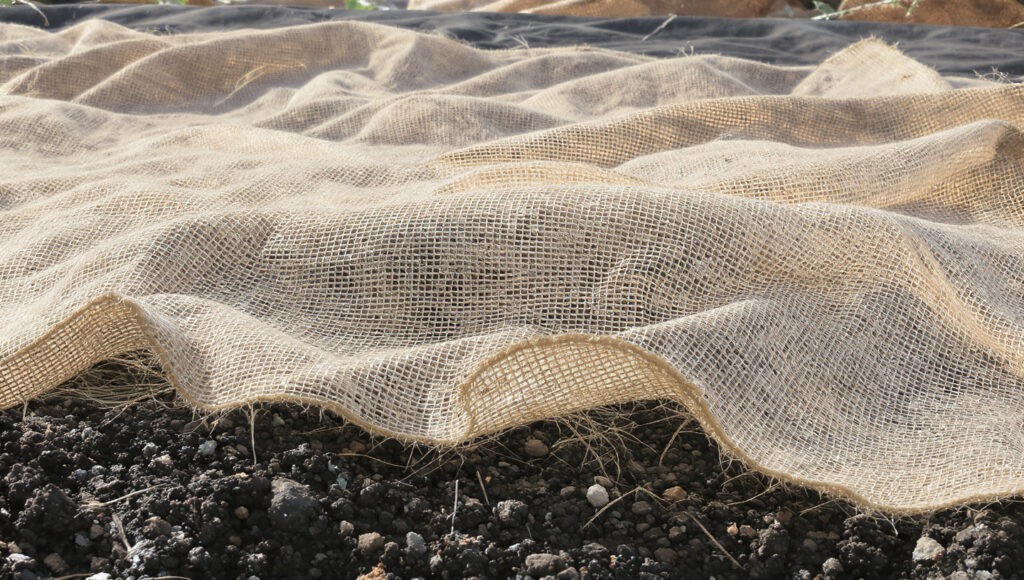
As winter begins to fade and early spring arrives, gardeners often find themselves facing unpredictable weather, lingering frost, and the challenge of preparing plants for a successful growing season. One simple yet highly effective tool that many seasoned gardeners use is burlap. Draped over plants, shrubs, or garden beds, a layer of burlap provides protection and practical benefits that can significantly improve plant health, soil conditions, and overall garden productivity.
In this article, we’ll explore why burlap is a go-to material for early spring gardening, the specific benefits it offers, and how to use it effectively to ensure your garden thrives as the growing season begins.
Understanding Burlap and Its Uses in Gardening
Burlap is a loosely woven fabric made from natural fibers, typically jute or hemp. Its lightweight, breathable texture makes it ideal for protecting plants without suffocating them. Unlike plastic sheets or synthetic covers, burlap allows air and water to pass through, making it a versatile option for gardeners who want to shield plants from harsh early spring conditions.
Common uses of burlap in gardening include:
- Protecting delicate plants from frost and wind.
- Reducing sunscald on shrubs and young trees.
- Providing shade to emerging seedlings.
- Acting as a temporary soil cover for garden beds.
Its affordability, biodegradability, and ease of handling make burlap a popular choice among both novice and experienced gardeners.
1. Frost Protection in Early Spring
One of the most critical benefits of burlap is its ability to protect plants from frost and sudden temperature drops. Even after the last snowfall, early spring nights can still bring frost that damages new growth.
How burlap helps:
- Acts as an insulating barrier, keeping frost off leaves, buds, and flowers.
- Traps heat radiating from the soil, moderating temperature swings.
- Allows some airflow, reducing the risk of fungal disease compared to completely sealed plastic covers.
Practical tips:
- Drape burlap loosely over plants rather than wrapping tightly.
- Anchor the edges with rocks, stakes, or soil to prevent wind from blowing it away.
- Remove the cover during sunny days to allow sunlight and ventilation.
By using burlap for frost protection, gardeners can preserve delicate early growth and prevent costly damage.
2. Wind and Sun Protection
Early spring often brings strong winds and intense low-angle sunlight, both of which can stress plants. Wind can dry out young shoots and damage delicate branches, while sudden sun exposure can cause sunscald on shrubs and trees emerging from dormancy.
Burlap acts as a windbreak and filter:
- Reduces the force of wind, preventing mechanical damage and moisture loss.
- Provides partial shade, softening harsh sunlight and preventing leaf burn.
- Creates a microenvironment that stabilizes temperature and humidity around the plant.
Gardeners often use burlap around sensitive evergreens, fruit trees, and perennials to ease the transition from winter to spring conditions.
3. Soil Protection and Moisture Retention
Burlap isn’t just beneficial for plants—it also improves soil conditions in early spring, a time when soil is often cold, wet, and prone to erosion.
Benefits for soil include:
- Prevents erosion caused by rain, snowmelt, or early spring winds.
- Helps retain moisture, keeping roots hydrated without waterlogging.
- Regulates soil temperature, encouraging earlier germination and root activity.
- Prevents soil crusting, which can impede seedling emergence.
By using burlap as a temporary mulch or soil cover, gardeners can create a more stable and fertile environment for new growth.
➡️ How to Grow Malabar Spinach from Cuttings for Fast, Easy Greens
➡️ How to Grow Super Delicious Cabbage at Home Without a Garden
➡️ How to Grow Bean Sprouts at Home in Plastic Bottles Easily (Step‑by‑Step Guide)
➡️ Why is Your Lemon Tree Blooming in the Heart of Winter?
➡️ Why Should Your Garden Have a Dedicated Pollinator Highway?
➡️ Why Do Your Fruit Trees Need a Winter Wash to Thrive in Spring?
➡️ How Can Rice Water Transform Your Fruits into Sweeter Delights?
➡️ Jumpstart Your Winter Garden: Seed Starting Under Lights
4. Protecting Seedlings and Young Plants
Seedlings and newly transplanted plants are particularly vulnerable in early spring. They may be stressed from sudden temperature changes or physical exposure. Burlap provides a soft shield:
- Protects tender shoots from frost, wind, and pests.
- Reduces temperature stress, allowing seedlings to establish roots faster.
- Provides partial shade, preventing scorching of delicate leaves.
This protection is especially useful for vegetables like lettuce, broccoli, and spinach, which are often planted in early spring and require extra care to thrive.
5. Pest Deterrence
Burlap can also act as a physical barrier against early-season pests that threaten emerging plants.
- Prevents small animals, such as rabbits or deer, from nibbling on buds and shoots.
- Reduces exposure to certain insects while still allowing airflow and water penetration.
- Can be combined with companion planting or natural repellents for an integrated pest management approach.
While it won’t replace other pest control methods, burlap adds a layer of protection that reduces the risk of damage, especially during vulnerable growth periods.
6. Supporting Climbing Plants and Vines
Burlap is also versatile as a support material:
- Provides a natural trellis for peas, beans, or morning glories.
- Encourages climbing plants to grow upright, reducing ground contact and fungal risk.
- Biodegrades over time, so it can be planted directly into garden beds without environmental impact.
Using burlap in this way not only protects plants but also enhances garden organization and aesthetic appeal.
7. Biodegradability and Sustainability
One reason gardeners are increasingly turning to burlap is its eco-friendly nature. Unlike synthetic fabrics or plastic sheets, burlap is fully biodegradable and compostable. This means:
- It can be incorporated into the soil after use, improving organic matter.
- Reduces plastic waste in the garden.
- Supports sustainable gardening practices while providing all the functional benefits of frost protection, wind protection, and soil stabilization.
For gardeners who want to combine functionality with environmental responsibility, burlap is an ideal choice.
How to Use Burlap Effectively in Early Spring
To maximize the benefits of burlap, gardeners should follow some practical guidelines:
- Choose high-quality, untreated burlap to avoid chemical exposure to plants.
- Drape loosely over plants or soil, avoiding tight wrapping that can trap moisture and cause rot.
- Anchor edges with stakes, rocks, or soil to prevent displacement by wind.
- Remove during sunny days to allow light penetration and ventilation.
- Combine with mulch under the burlap for extra soil insulation and moisture retention.
- Reuse seasonally if in good condition, or compost when worn out.
By following these practices, gardeners can enhance plant survival, boost growth, and maintain healthy soil during the transitional early spring period.
Common Applications in the Garden
Some practical ways gardeners use burlap in early spring include:
- Wrapping young trees or shrubs to prevent frost and sunscald.
- Covering vegetable beds with emerging seedlings to protect against wind and temperature swings.
- Using as a temporary mulch for perennial beds to stabilize soil and retain moisture.
- Creating temporary fences to shield tender plants from early-season pests.
These applications demonstrate how versatile burlap is as a gardening tool, combining protection, practicality, and environmental benefits.
Conclusion
A simple layer of burlap can make a remarkable difference in early spring gardening. From frost and wind protection to soil stabilization and pest deterrence, burlap provides a suite of benefits that help plants survive transitional weather and thrive in the upcoming growing season.
Key benefits include:
- Shielding plants from frost, sun, and wind.
- Maintaining consistent soil moisture and temperature.
- Protecting seedlings and young plants from stress and damage.
- Offering pest deterrence while remaining breathable.
- Supporting climbing plants and acting as a sustainable, biodegradable garden material.
Whether you’re a seasoned gardener or just starting out, integrating burlap into your early spring routine is a low-cost, high-impact way to improve plant health and garden productivity. It’s a traditional technique that continues to prove its value in modern gardening, combining practicality, sustainability, and protection for a stronger, healthier garden from the very first days of spring.