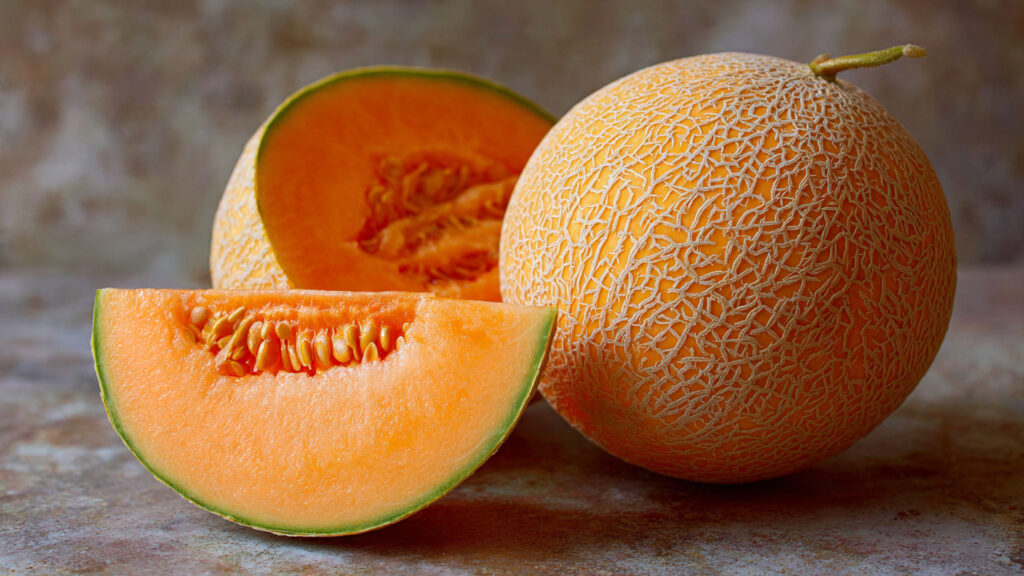
Growing your own cantaloupe is a satisfying and delicious pursuit. Few things compare to the sweet, juicy flavor of a freshly harvested melon straight from your garden. Yet, even with perfect weather, diligent watering, and nutrient-rich soil, some gardeners find that their cantaloupes fall short of that deep, rich sweetness they crave. Could a humble kitchen ingredient—molasses—be the missing link in unlocking the full flavor potential of your homegrown cantaloupes? Let’s explore the science, gardening practices, and practical tips that might make molasses your secret weapon.
Understanding Cantaloupe Flavor
Cantaloupe flavor is determined by a delicate balance of sugar, acid, and aromatic compounds. As the fruit ripens, natural sugars—mainly sucrose, glucose, and fructose—accumulate in the flesh. The sweetness is complemented by subtle aromatic compounds that give cantaloupes their signature musky, fragrant notes. Gardeners often focus on soil, water, and sunlight to achieve ideal ripening conditions. While these factors are crucial, the plant’s nutrient uptake can dramatically influence both the sweetness and aromatic profile of the fruit.
Minerals in the soil, particularly potassium and calcium, play a key role in sugar transport and cell wall integrity. A deficiency in these elements can lead to bland, watery fruit even when the plant appears healthy. This is where molasses, a rich source of minerals and natural sugars, enters the conversation.
What Is Molasses?
Molasses is a byproduct of sugar refining, created after sugar crystals are extracted from sugarcane or sugar beets. Unlike refined sugar, which is almost pure sucrose, molasses retains many nutrients, including iron, calcium, magnesium, potassium, and trace minerals. It also contains some natural sugars, which can feed both plants and the beneficial microorganisms in the soil.
There are different types of molasses, ranging from light to blackstrap. Blackstrap molasses is the most mineral-dense, but also the most bitter, whereas lighter molasses has a milder, sweeter taste. For gardening purposes, blackstrap is generally preferred because of its higher nutrient content, though some gardeners experiment with lighter varieties to see how they affect flavor and growth.
How Molasses Works in the Garden
Molasses does not feed plants directly in the traditional sense, like synthetic fertilizers do. Instead, it serves as a food source for soil microorganisms. Healthy soil microbes break down organic matter, release nutrients, and improve soil structure, making minerals more accessible to plant roots. When you add molasses to your soil or compost, you’re effectively boosting microbial activity, which can lead to better nutrient uptake and, ultimately, sweeter fruit.
Additionally, molasses contains potassium—a key nutrient for fruit development. Potassium helps regulate the plant’s water balance and enhances the transport of sugars into fruits. This means that molasses can contribute directly to the sweetness of cantaloupe by improving the plant’s ability to convert energy from sunlight into sugars in the fruit.
Methods of Using Molasses for Cantaloupes
There are several ways gardeners can introduce molasses into their cantaloupe-growing regimen:
1. Soil Amendment
Mixing molasses into the soil before planting can improve microbial activity and enrich the soil’s mineral profile. A common approach is to dilute 2–4 tablespoons of molasses in a gallon of water and pour it around the base of the cantaloupe plants. This method is gentle, reduces the risk of over-fertilizing, and encourages healthy root development.
2. Foliar Spray
Foliar feeding involves applying a diluted molasses solution directly to the leaves. While this method provides only minor nutrients to the plant, it can sometimes boost microbial communities on leaf surfaces, which may indirectly help with plant health. A typical foliar spray might be 1–2 tablespoons of molasses per quart of water.
3. Compost Enhancer
Molasses can be added to compost piles to speed up decomposition and enrich the resulting compost with beneficial microbes. When applied to garden soil as compost, the effect is long-lasting, providing a slow-release nutrient boost throughout the growing season.
Timing Matters
Timing can be critical when using molasses for fruit flavor enhancement. Early-season applications help establish a strong microbial foundation in the soil, supporting robust vine growth. Mid-season applications, particularly when flowers are forming and fruit is setting, can help improve sugar transport and fruit sweetness. Applying molasses too late, however, may have little effect on the flavor, as sugar accumulation is largely complete once fruits begin to mature.
Supporting Practices for Maximum Sweetness
While molasses can enhance flavor, it works best in combination with good gardening practices:
- Choose the Right Varieties – Some cantaloupe varieties naturally produce sweeter, more aromatic fruit. Varieties like ‘Ambrosia,’ ‘Athena,’ or ‘Hale’s Best’ are popular among home gardeners for their exceptional flavor.
- Sunlight Exposure – Cantaloupes need at least 6–8 hours of full sun per day. Sunlight drives photosynthesis, which produces the sugars that molasses-enhanced microbes help transport into the fruit.
- Consistent Watering – Uneven watering can dilute sugars, leading to bland fruit. Drip irrigation or soaker hoses work best, providing steady moisture without waterlogging the roots.
- Balanced Fertilization – Molasses complements, rather than replaces, basic fertilization. Ensure your cantaloupes receive enough nitrogen early in the season for leafy growth, then reduce nitrogen as fruits develop to focus on sweetness.
- Proper Spacing – Good air circulation and spacing reduce disease risk and stress on the plants, allowing them to direct energy toward fruit development.
Anecdotal Evidence and Scientific Insights
Gardeners around the world swear by molasses for improving the flavor of melons, tomatoes, and even strawberries. Many report noticeably sweeter, more aromatic fruit after applying molasses during the growing season. Scientific studies also support the idea that soil microbes and mineral uptake can influence sugar content and flavor intensity, though controlled studies specifically on molasses and cantaloupes remain limited.
One interesting point is that molasses-fed soil tends to retain moisture better due to increased microbial activity, which reduces plant stress. Stress-free plants often produce higher-quality fruit with better flavor, suggesting that molasses may enhance cantaloupe flavor both directly through mineral content and indirectly by promoting healthier plant growth.
➡️ How to Grow Malabar Spinach from Cuttings for Fast, Easy Greens
➡️ How to Grow Super Delicious Cabbage at Home Without a Garden
➡️ How to Grow Bean Sprouts at Home in Plastic Bottles Easily (Step‑by‑Step Guide)
➡️ Why is Your Lemon Tree Blooming in the Heart of Winter?
➡️ Why Should Your Garden Have a Dedicated Pollinator Highway?
➡️ Why Do Your Fruit Trees Need a Winter Wash to Thrive in Spring?
➡️ How Can Rice Water Transform Your Fruits into Sweeter Delights?
➡️ Jumpstart Your Winter Garden: Seed Starting Under Lights
Precautions and Considerations
While molasses can be beneficial, overuse can create problems. Excessive molasses can attract ants, slugs, or other pests, and extremely high concentrations may harm plants. Always dilute molasses appropriately and apply it in moderation. Observing plant response over a season will help you determine the optimal frequency and concentration.
Additionally, molasses is not a silver bullet. Soil pH, local climate, and plant variety all play major roles in flavor development. Using molasses as part of a holistic approach—good soil management, adequate sun, proper watering, and suitable fertilization—yields the best results.
Final Thoughts: Sweet Success Is Within Reach
For home gardeners seeking the ultimate cantaloupe flavor, molasses offers a promising and natural tool. By enriching the soil with minerals and stimulating microbial activity, molasses can improve the plant’s ability to transport sugars into its fruit, resulting in sweeter, more aromatic melons. Coupled with proper sunlight, watering, and care, this humble kitchen ingredient may indeed be the secret to producing cantaloupes that taste as if they came straight from a gourmet farmer’s market.
Experimenting with molasses can be both fun and rewarding. Start with small, controlled applications and observe how your cantaloupes respond. With patience, attention, and a touch of molasses magic, you might finally achieve that melt-in-your-mouth sweetness that defines a truly perfect cantaloupe.
In the end, gardening is about curiosity, experimentation, and joy. Molasses is not a guarantee, but it’s a fascinating, low-cost addition that could turn your homegrown cantaloupes from good to unforgettable. Your taste buds—and your family—will thank you.