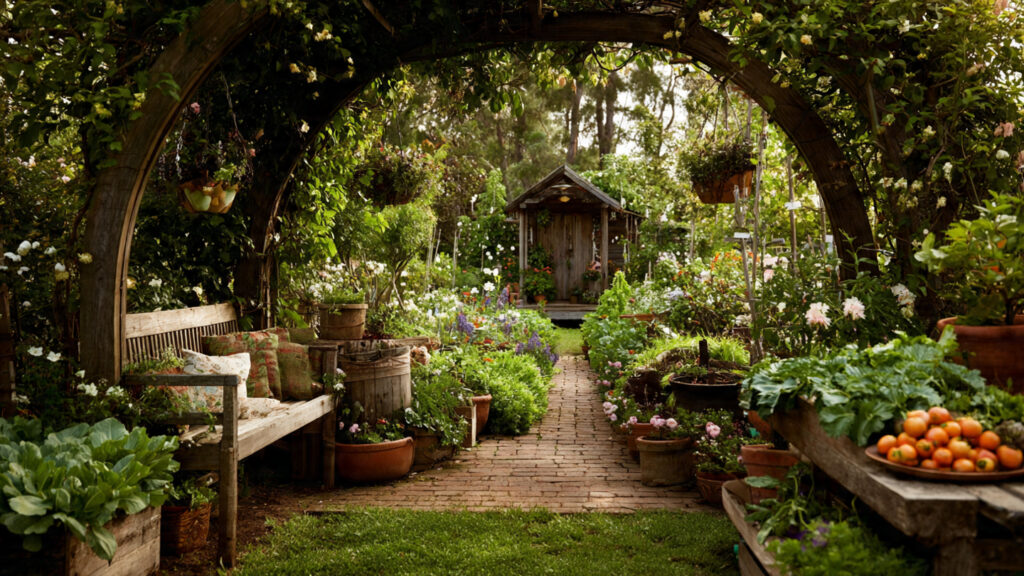
For centuries, gardeners and farmers around the world have relied on more than just soil, water, and sunlight to ensure a thriving garden. One of the oldest and most intriguing practices is planting according to the phases of the moon. While modern science may sometimes question traditional methods, many gardeners swear by the subtle influence of lunar rhythms on plant growth. Understanding this ancient technique and incorporating it into your gardening routine could lead to healthier plants, higher yields, and a more harmonious relationship with nature.
The Science Behind Lunar Gardening
At first glance, planting by the moon may sound mystical, but there is a tangible scientific explanation. The moon’s gravitational pull affects not only ocean tides but also the moisture content in the soil. During different phases of the moon, water levels in the soil rise and fall slightly, influencing seed germination, root development, and plant growth.
- New Moon: The new moon phase marks the beginning of a new lunar cycle. This is a period of darkness in the night sky, symbolizing beginnings. Water is drawn deeper into the soil during this time, making it ideal for planting root crops such as carrots, onions, and garlic. These plants require strong root systems, and the deeper moisture helps them establish healthy roots.
- Waxing Moon: As the moon moves from new to full, it enters its waxing phase, gradually becoming brighter. During this phase, sap flow in plants increases, stimulating leaf growth and above-ground development. This is the best time to sow leafy greens, herbs, and annual flowers. Crops like lettuce, spinach, and basil thrive when planted during the waxing moon because they focus energy on foliage rather than root development.
- Full Moon: The full moon is the peak of lunar illumination. During this time, plants experience maximum sap flow and water retention in the soil is at its highest. Many gardeners find that transplanting seedlings or planting above-ground fruiting crops like tomatoes, peppers, and squash during the full moon encourages faster growth and stronger harvests.
- Waning Moon: As the moon decreases from full to new, energy shifts downward into the roots. This period is ideal for pruning, harvesting, and planting crops that develop underground. Root vegetables like potatoes, carrots, and beets benefit from being planted during the waning moon, as they focus their growth energy below the surface.
By following the lunar calendar, gardeners can synchronize their planting activities with the natural rhythms of the earth, potentially boosting plant health and productivity.
Historical Roots of Moon Gardening
The practice of planting by the moon dates back thousands of years. Ancient civilizations, including the Babylonians, Egyptians, and Native Americans, observed lunar cycles to optimize their agriculture. They noticed patterns in plant growth, seed germination, and harvest yields and connected these patterns to the moon’s phases.
For example, Native American tribes kept detailed lunar planting calendars, with each phase of the moon corresponding to specific planting, harvesting, and maintenance tasks. Similarly, in Europe, medieval farmers often used almanacs that incorporated lunar planting schedules, guiding agricultural activities with remarkable precision.
Even today, many traditional farmers in Asia, Africa, and Latin America continue to rely on moon planting techniques, combining ancestral wisdom with modern agricultural methods.
Practical Tips for Moon-Based Gardening
If you want to transform your garden by planting according to the moon, here are some practical strategies to follow:
- Know Your Lunar Calendar: Start by keeping a lunar calendar handy. Note the dates of the new moon, first quarter, full moon, and last quarter. Many gardening apps and online resources can provide accurate moon phase information for your location.
- Plan by Plant Type: Different plants respond differently to lunar phases. Above-ground crops like tomatoes, peppers, and beans benefit from the waxing and full moon, while root crops thrive when planted during the waning moon. Leafy greens are ideal for the waxing moon phase.
- Timing Is Everything: Beyond the type of plant, consider the timing of your planting activities. For instance, sow seeds of leafy vegetables a few days after the new moon to take advantage of the increasing light and energy. Root vegetables do best a few days after the full moon, when the lunar energy is declining.
- Combine Moon Planting with Other Techniques: Using lunar planting doesn’t mean abandoning modern gardening methods. Fertilizing, mulching, and watering schedules can all be integrated with moon phase planting. The combination of traditional lunar wisdom and modern horticultural knowledge can maximize your garden’s potential.
- Observe and Adjust: Every garden is unique, and soil conditions, climate, and plant varieties can influence results. Keep a journal of planting dates, growth observations, and harvest outcomes. Over time, you’ll notice patterns that allow you to refine your moon-based gardening practices.
Benefits of Planting by the Moon
Many gardeners report noticeable benefits from moon-based planting, which include:
- Improved Seed Germination: Seeds sown during the optimal lunar phase tend to sprout faster and more uniformly. The alignment of soil moisture and gravitational pull seems to give seeds an extra boost.
- Stronger Plant Growth: By planting according to the moon, plants can focus their energy where it is most needed—roots during the waning moon and leaves/flowers during the waxing moon—leading to healthier, more robust growth.
- Enhanced Crop Yields: Following lunar cycles can lead to higher yields, particularly for fruiting plants. The natural rhythm of the moon encourages efficient nutrient absorption and balanced growth.
- Better Soil Health: Some gardeners find that lunar planting naturally reduces soil stress and promotes beneficial microbial activity. Soil that is not disturbed unnecessarily during the wrong lunar phases retains its structure and fertility.
- Connection to Nature: Gardening by the moon fosters a deeper awareness of natural cycles. This connection encourages mindfulness and respect for the environment, transforming gardening from a chore into a more fulfilling and meditative practice.
Addressing Skepticism
Skeptics often argue that lunar planting lacks scientific rigor, and it is true that controlled studies are limited. However, many horticulturists acknowledge that subtle environmental cues, such as soil moisture and light levels, can influence plant growth. Moon phases indirectly affect these factors, and the positive anecdotal evidence from generations of gardeners cannot be ignored.
Even if one views moon planting as largely traditional or symbolic, the structured approach it provides can improve planning, consistency, and observation in the garden—all of which contribute to healthier plants.
Integrating Moon Gardening into Your Routine
To start incorporating lunar planting into your garden:
- Choose a Small Test Area: Begin with a section of your garden and experiment with a few crops, noting the growth and yield differences compared to conventional planting.
- Track Growth Patterns: Document germination times, plant vigor, and fruiting schedules. This will help you fine-tune your planting calendar for your unique conditions.
- Combine with Companion Planting: Use moon planting alongside companion planting strategies to enhance pest control, pollination, and soil fertility.
- Celebrate Seasonal Cycles: Use the lunar calendar to plan seasonal planting and harvesting. Aligning gardening activities with natural rhythms creates a sustainable and harmonious cycle in your garden.
Conclusion
Planting by the phases of the moon is more than an old-fashioned superstition—it is a gardening philosophy that connects us with the natural rhythms of the earth and sky. By understanding the moon’s influence on soil moisture, plant growth, and energy flow, gardeners can optimize planting schedules, improve crop yields, and cultivate healthier, more resilient plants.
Whether you are a traditional gardener seeking to honor time-tested wisdom, or a modern horticulturist looking for an edge, moon-based gardening offers a fascinating and practical approach. The transformation lies not just in the plants themselves, but in the deeper connection you develop with the cycles of nature. By planting with the moon, your garden becomes more than a collection of crops—it becomes a living reflection of the rhythms of the universe.
With patience, observation, and a little lunar guidance, your garden can flourish in ways you may have never imagined. Start small, track your results, and let the moon illuminate the path to a more vibrant and abundant garden.
➡️ How to Grow Malabar Spinach from Cuttings for Fast, Easy Greens
➡️ How to Grow Super Delicious Cabbage at Home Without a Garden
➡️ How to Grow Bean Sprouts at Home in Plastic Bottles Easily (Step‑by‑Step Guide)
➡️ Why is Your Lemon Tree Blooming in the Heart of Winter?
➡️ Why Should Your Garden Have a Dedicated Pollinator Highway?
➡️ Why Do Your Fruit Trees Need a Winter Wash to Thrive in Spring?
➡️ How Can Rice Water Transform Your Fruits into Sweeter Delights?
➡️ Jumpstart Your Winter Garden: Seed Starting Under Lights