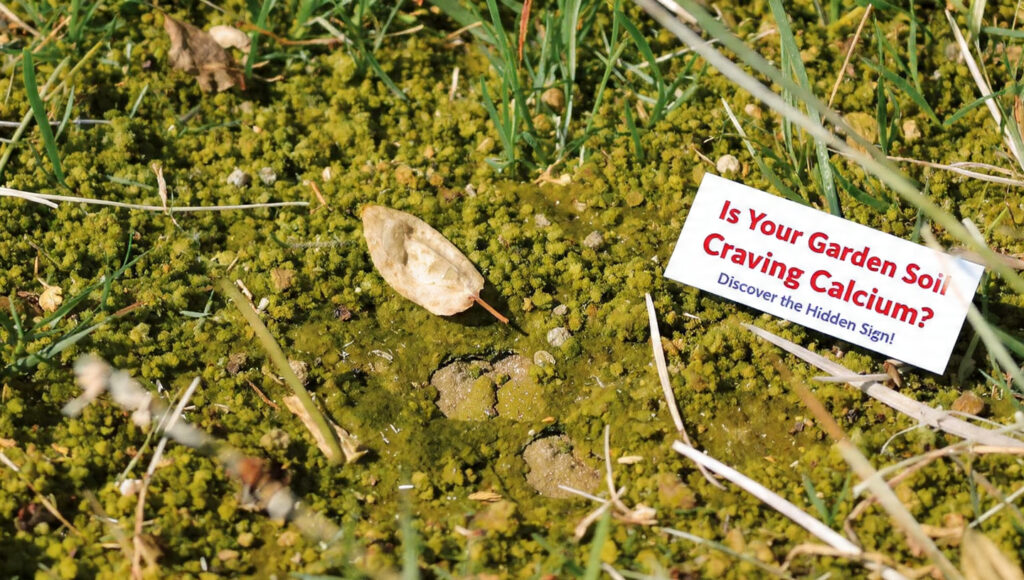
When it comes to gardening, we often obsess over water, sunlight, and fertilizer. But there’s a silent player in soil health that many gardeners overlook: calcium. Essential for plant growth and development, calcium deficiency can quietly sabotage your garden, leaving you frustrated with poor yields, weak plants, and mysterious leaf issues. In this article, we’ll uncover why calcium is crucial, how to spot its hidden signs, and what you can do to give your garden the boost it needs.
Why Calcium Matters in the Garden
Calcium is not just a supplement for humans—it’s a cornerstone of plant health. It plays several critical roles in your garden:
- Cell Wall Strength – Calcium strengthens plant cell walls, ensuring stems, roots, and leaves are sturdy. Without enough calcium, plants become fragile and more prone to disease.
- Nutrient Absorption – Calcium facilitates the movement of other nutrients in the soil, including nitrogen, potassium, and magnesium. A lack of calcium can cause a cascade of deficiencies.
- Root Development – Healthy roots need calcium to expand and absorb nutrients effectively. Stunted roots mean weaker plants and reduced yield.
- Fruit and Flower Formation – Calcium prevents blossom-end rot in tomatoes, peppers, and eggplants, as well as tip burn in leafy greens like lettuce and spinach.
Simply put, calcium is a hidden but indispensable nutrient that directly affects the strength, productivity, and resilience of your garden plants.
The Hidden Signs of Calcium Deficiency
Unlike obvious nutrient deficiencies, calcium shortage in plants often manifests in subtle ways. Recognizing these signs early is key to saving your harvest.
1. Leaf Deformities
The first warning sign often appears in the youngest leaves. Leaves may curl, twist, or show irregular shapes. You might notice brown or black spots along leaf edges or a general stunted appearance. Since calcium moves slowly in plants, older leaves may appear normal while new growth suffers.
2. Blossom-End Rot
One of the most notorious indicators of calcium deficiency is blossom-end rot, particularly in tomatoes, peppers, and eggplants. This condition appears as a sunken, blackened patch at the blossom end of fruit. It’s not caused by overwatering or pests, as many gardeners assume, but by insufficient calcium in the developing tissue.
3. Poor Root Development
Calcium-deficient soil leads to weak root systems. You may notice roots that are short, brittle, or decayed. Plants with poor roots struggle to absorb water and nutrients, leaving them stunted and more susceptible to environmental stress.
4. Leaf Tip Burn in Greens
Leafy greens like lettuce, cabbage, and spinach often exhibit tip burn when calcium is lacking. The tips of the leaves turn brown and die back while the rest of the plant looks relatively healthy. This is a classic symptom of calcium shortage that often goes unnoticed until significant damage occurs.
5. Slow Growth and Weak Stems
Plants in calcium-deficient soil often grow slowly and may develop soft, weak stems. This lack of structural support makes them vulnerable to wind damage and collapse, particularly in larger vegetables or flowers.
What Causes Calcium Deficiency?
Understanding the cause helps in preventing and correcting calcium shortages. Several factors contribute:
- Acidic Soil – Calcium availability drops in acidic soils (pH below 6.0). Testing soil pH is crucial, as low pH can lock calcium in forms plants can’t use.
- Excessive Fertilizer – Overuse of nitrogen, potassium, or magnesium fertilizers can interfere with calcium uptake. Balance is key.
- Poor Soil Structure – Compacted or sandy soils often lack sufficient calcium and struggle to retain it.
- Inconsistent Watering – Calcium moves to plant roots through water. Dry spells or irregular watering can exacerbate deficiency.
How to Test Your Soil for Calcium
Before rushing to add amendments, it’s important to test your soil. Home test kits are widely available and provide a quick insight into calcium levels and pH. For more accurate results, consider sending a sample to a professional soil testing lab. Here’s what to look for:
- Soil pH – Ideal range for most vegetables is 6.0–7.0.
- Calcium Levels – Labs provide measurements in parts per million (ppm). Optimal calcium levels vary by crop but generally fall between 1000–2000 ppm for vegetables.
Testing prevents unnecessary amendments and ensures you apply the right amount of calcium for your garden’s needs.
How to Add Calcium to Your Garden
Once you’ve confirmed a deficiency, there are several effective ways to supplement calcium:
1. Agricultural Lime
Crushed limestone, or agricultural lime, is a slow-release calcium source that also raises soil pH. It’s ideal for acidic soils but takes time to break down, so early application is recommended.
2. Gypsum
Gypsum (calcium sulfate) provides calcium without altering soil pH, making it suitable for gardens that already have balanced acidity. It’s fast-acting and improves soil structure in clay-heavy soils.
➡️ How to Grow Malabar Spinach from Cuttings for Fast, Easy Greens
➡️ How to Grow Super Delicious Cabbage at Home Without a Garden
➡️ How to Grow Bean Sprouts at Home in Plastic Bottles Easily (Step‑by‑Step Guide)
➡️ Why is Your Lemon Tree Blooming in the Heart of Winter?
➡️ Why Should Your Garden Have a Dedicated Pollinator Highway?
➡️ Why Do Your Fruit Trees Need a Winter Wash to Thrive in Spring?
➡️ How Can Rice Water Transform Your Fruits into Sweeter Delights?
➡️ Jumpstart Your Winter Garden: Seed Starting Under Lights
3. Crushed Eggshells
A natural and sustainable option, eggshells are rich in calcium carbonate. Rinse, dry, and crush them before adding to the soil. They release calcium slowly and enrich the soil over time.
4. Bone Meal
Bone meal is another organic option high in calcium and phosphorus. Incorporate it into planting beds or use it around fruiting plants for better flowering and fruit development.
5. Foliar Sprays
For immediate correction, foliar sprays containing calcium can deliver nutrients directly to leaves. This method is particularly effective for preventing blossom-end rot in tomatoes and peppers.
6. Maintain Proper Watering
Even with adequate calcium, plants can suffer if water is inconsistent. Regular, deep watering ensures calcium moves from soil to roots efficiently.
Preventing Calcium Deficiency: Best Practices
- Regular Soil Testing – Test at least once a year to monitor nutrient levels.
- Balance Fertilization – Avoid excessive nitrogen, magnesium, or potassium fertilizers that compete with calcium uptake.
- Choose Resistant Varieties – Some tomato and pepper cultivars are less prone to blossom-end rot.
- Mulch and Water Consistently – Mulch retains soil moisture and prevents rapid drying, aiding calcium absorption.
- Rotate Crops – Alternating crops helps prevent depletion of specific nutrients, including calcium.
The Bottom Line
Calcium may be a “hidden” nutrient, but its effects are highly visible when it’s lacking. From weak stems to blossom-end rot, a shortage of calcium can quietly undermine even the most carefully tended garden. By learning to recognize the signs, testing your soil, and applying the right amendments, you can restore balance and ensure your plants grow strong, healthy, and productive.
Next time you inspect your garden, look beyond the surface. Those tiny leaf tip burns, distorted new growth, or blackened fruit ends could be a cry for calcium. Treat your soil well, and it will reward you with robust plants and bountiful harvests. Remember, healthy soil means happy plants—and happy gardeners.