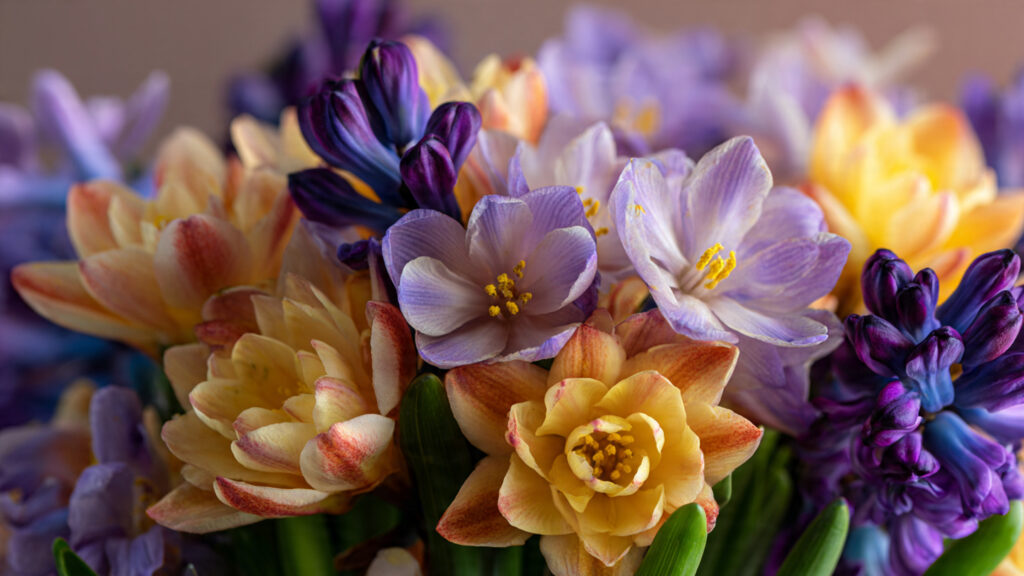
Winter can feel long and dreary, with bare trees and frosty mornings leaving your garden looking lifeless. But what if you could bring the vibrant colors and fresh fragrances of spring right into your home in the middle of winter? Spring bulbs, such as tulips, daffodils, hyacinths, and crocuses, have the unique ability to bloom early when given the right care. With a little planning and attention, you can enjoy beautiful blossoms months ahead of the usual season. Here’s a comprehensive guide on how to make spring bulbs bloom in the heart of winter.
Understanding Bulb Dormancy and Chilling Requirements
Spring bulbs naturally follow a seasonal rhythm. After flowering in spring, they enter dormancy, storing energy for the next growing season. For many bulbs, a period of cold is essential to trigger flowering. This is known as the chilling requirement, typically between 6–12 weeks of temperatures around 35–48°F (2–9°C).
Without this cold period, bulbs may produce weak stems, delayed blooms, or fail to flower entirely. By mimicking winter conditions indoors or using refrigerated methods, gardeners can trick bulbs into thinking they’ve experienced a full winter, encouraging early flowering.
Selecting the Right Bulbs for Winter Blooming
Not all bulbs respond well to forced blooming. For best results, choose varieties known for indoor forcing:
- Tulips – Popular for their vibrant colors and long-lasting blooms.
- Daffodils (Narcissus) – Bright and cheerful, ideal for pots or containers.
- Hyacinths – Fragrant flowers perfect for indoor arrangements.
- Crocuses – Early bloomers that thrive in small pots.
When purchasing bulbs, select large, healthy, and firm bulbs, as these are more likely to produce strong flowers. Avoid soft, shriveled, or moldy bulbs.
Chilling Bulbs to Simulate Winter
For bulbs to bloom in winter, they often need a cold treatment, especially if purchased in fall. Here’s how to do it:
- Place bulbs in a paper bag or ventilated container.
- Keep them in a refrigerator, away from fruits like apples that release ethylene gas, which can damage bulbs.
- Chill the bulbs for 10–12 weeks for most varieties.
- Avoid freezing temperatures, as this can damage the bulb tissue.
This chilling period satisfies the bulb’s dormancy requirement and primes it to bloom once moved to warmer conditions.
Planting Bulbs for Indoor Forcing
After chilling, it’s time to plant your bulbs indoors. You can use pots, containers, or forcing trays. Here’s a step-by-step guide:
- Choose the right container – A pot at least 6–8 inches deep for tulips or daffodils allows space for roots to develop.
- Use well-draining soil – A mix of potting soil and sand ensures proper drainage and prevents rot.
- Plant bulbs properly – Place bulbs pointed end up, just deep enough to cover the base (usually 1–2 times the bulb height).
- Water lightly – Keep the soil moist but avoid soggy conditions, which can cause bulb rot.
Once planted, bulbs can sit in a cool, dark spot for a few weeks to encourage root growth before moving them to a warmer area for flowering.
Providing Optimal Indoor Conditions
To encourage winter blooms, your indoor environment should mimic early spring. Focus on temperature, light, and humidity:
- Temperature – Start bulbs in a cool area around 50–60°F (10–15°C). Once shoots appear, move to a slightly warmer spot, 65–70°F (18–21°C).
- Light – Place bulbs near bright, indirect sunlight or use grow lights to promote strong stems and vibrant flowers.
- Humidity – Moderate indoor humidity prevents drying out, especially in heated rooms. Mist gently if needed.
Proper indoor conditions reduce stress on bulbs and encourage faster, more robust blooms.
Timing Your Blooms for Maximum Effect
Winter-forced bulbs require planning to ensure they bloom at the right time:
- Calculate backward from desired bloom date – If you want blooms in mid-December, start chilling bulbs in early September.
- Stagger plantings – Plant bulbs in batches a week or two apart to enjoy a continuous display of flowers rather than all blooming at once.
- Keep notes – Track each variety’s chilling and blooming times for better results in following years.
With careful timing, your home can enjoy the cheerful colors and scents of spring even during the coldest months.
Combining Different Bulbs for a Stunning Display
For a vibrant winter garden indoors, mix and match different bulb varieties:
- Pair tall tulips with short crocuses for height contrast.
- Combine fragrant hyacinths with bright daffodils to stimulate both sight and smell.
- Use decorative pots or bowls for creative arrangements that brighten any room.
Layering bulbs by bloom time and height creates a dynamic and eye-catching indoor floral display.
➡️ How to Grow Malabar Spinach from Cuttings for Fast, Easy Greens
➡️ How to Grow Super Delicious Cabbage at Home Without a Garden
➡️ How to Grow Bean Sprouts at Home in Plastic Bottles Easily (Step‑by‑Step Guide)
➡️ Why is Your Lemon Tree Blooming in the Heart of Winter?
➡️ Why Should Your Garden Have a Dedicated Pollinator Highway?
➡️ Why Do Your Fruit Trees Need a Winter Wash to Thrive in Spring?
➡️ How Can Rice Water Transform Your Fruits into Sweeter Delights?
➡️ Jumpstart Your Winter Garden: Seed Starting Under Lights
Caring for Blooms Once They Appear
Once your bulbs start flowering indoors, they require a little attention to prolong bloom life:
- Water consistently – Keep soil moist, but avoid overwatering.
- Rotate containers – Turn pots occasionally to ensure even sunlight exposure.
- Deadhead spent flowers – This encourages the plant to direct energy to remaining blooms rather than seed production.
Indoor bulbs may last several weeks, providing a long-lasting, colorful centerpiece for your home.
After-Bloom Care for Bulbs
After flowering, you can give your bulbs a second chance for future seasons:
- Allow foliage to die back naturally – Leaves feed the bulb for next year’s growth.
- Store bulbs properly – Once foliage is yellowed and dry, lift bulbs and store in a cool, dry location until next fall.
- Replant or refrigerate – Bulbs can be replanted in pots for indoor forcing next winter or planted outdoors in spring.
With proper after-bloom care, bulbs can be reused for multiple seasons, making them a sustainable addition to your home garden.
Creative Indoor Forcing Ideas
Winter forcing doesn’t have to be limited to pots. Consider these creative ideas:
- Glass containers with water – Hyacinths grow beautifully in narrow glass vases without soil.
- Terrariums – Mini indoor bulb gardens create a stunning winter display.
- Holiday centerpieces – Combine forced bulbs with seasonal decor for festive arrangements.
These methods bring both beauty and fragrance indoors, brightening even the grayest winter days.
Conclusion
Forcing spring bulbs to bloom in the heart of winter is both a science and an art. By understanding bulb dormancy, providing the necessary chilling period, planting in proper containers, and creating optimal indoor conditions, you can enjoy a burst of spring color and fragrance long before the season arrives outdoors.
With patience, planning, and a little creativity, your home can become a winter oasis of blooming tulips, daffodils, hyacinths, and crocuses, lifting spirits and adding natural beauty to cold, dark months. Whether for personal enjoyment, gifts, or festive decor, forcing bulbs indoors is a rewarding project that proves spring can arrive anytime you choose.