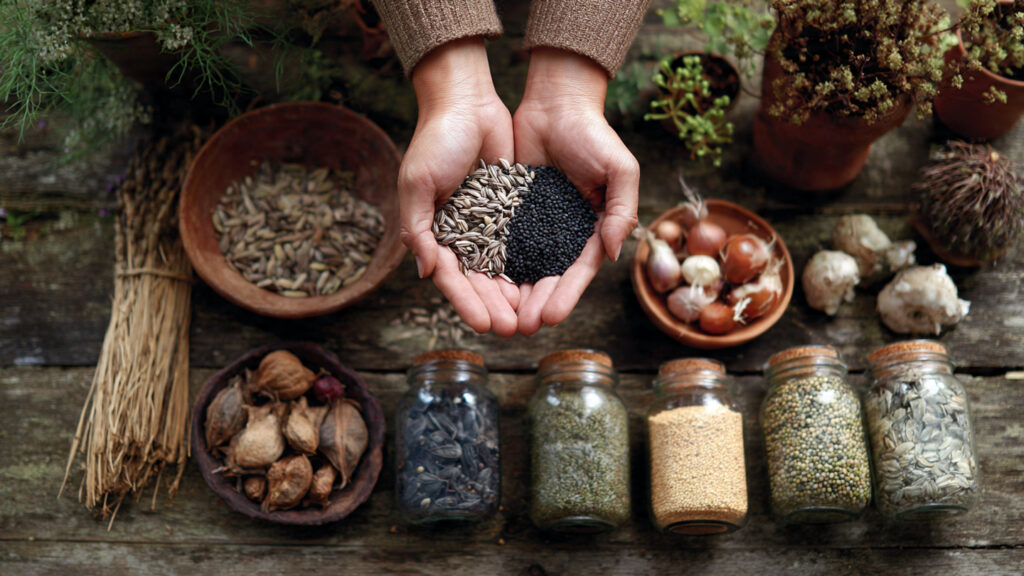
Gardening is a labor of love, and every gardener knows the satisfaction of growing plants from seeds. But have you ever thought about saving seeds from your own garden? Seed saving is an age-old practice that allows gardeners to preserve the best traits of their plants, reduce costs, and become self-sufficient. Whether you grow vegetables, flowers, or herbs, learning to save seeds like a pro can elevate your gardening game. Here’s a step-by-step guide to becoming an expert seed saver.
Why Saving Seeds Is Important
Saving seeds isn’t just about cutting costs. There are several compelling reasons why gardeners should adopt this practice:
- Preserve Plant Varieties: When you save seeds from your healthiest plants, you ensure that their best traits — flavor, color, resilience — are passed on to the next generation.
- Adapt Plants to Your Environment: Over time, seeds saved from your garden will produce plants better suited to your local soil and climate.
- Promote Sustainability: Buying new seeds each season contributes to commercial demand, while saving seeds reduces waste and supports biodiversity.
- Increase Self-Sufficiency: Being able to grow plants from your own seeds reduces dependence on external seed suppliers and protects you from shortages.
Understanding Seed Types
Before you start collecting seeds, it’s essential to know the two main types:
1. Open-Pollinated Seeds
Open-pollinated plants reproduce true to type, meaning the seeds will grow into plants identical to the parent. Examples include heirloom tomatoes, beans, and lettuce. These are ideal for saving because the offspring remain consistent.
2. Hybrid Seeds
Hybrid seeds are produced by crossing two different parent plants to enhance certain traits, such as disease resistance or faster growth. Seeds from hybrids often do not produce true-to-type offspring, so they may yield unpredictable results. While you can save hybrid seeds, they are usually more suited for experimentation rather than consistent production.
Step 1: Choose the Right Plants for Seed Saving
Not all plants are ideal for seed saving. To maximize success:
- Select healthy, disease-free plants: Avoid seeds from sick or weak plants.
- Choose plants with desirable traits: Flavor, size, color, or productivity — pick seeds from plants that excel in the qualities you want to preserve.
- Consider plant type: Vegetables like tomatoes, beans, peas, peppers, and lettuce are easier to save. Flowers like marigolds, zinnias, and cosmos are also excellent options.
Step 2: Harvest Seeds at the Right Time
Timing is crucial when saving seeds. Harvesting too early or too late can reduce germination success:
- Vegetable Seeds: Allow fruits to fully ripen. For example, beans and peas should dry on the plant, while tomatoes should be fully mature.
- Flower Seeds: Collect seeds after the flower has faded and the seed pods or heads have dried.
- Herbs: Most herb seeds are ready when they turn brown and brittle.
Tip: Check your plants daily during seed maturity season to prevent seeds from falling off or getting damaged.
Step 3: Extract Seeds Carefully
Different plants require different seed extraction techniques:
- Tomatoes: Scoop out the seeds and place them in a jar with water. Let them ferment for a few days to remove the gelatinous coating, then rinse and dry.
- Peppers: Cut open the fruit and gently remove the seeds. Spread them on paper towels to dry.
- Beans and Peas: Harvest the pods when dry and crack them open to collect seeds.
- Flowers: Shake or rub seed heads over a container to gather seeds.
Be gentle during extraction to avoid damaging seeds. Damaged seeds may fail to germinate.
Step 4: Clean and Dry Seeds
Cleaning and drying seeds properly is essential to prevent mold and ensure longevity:
- Rinse seeds to remove pulp or debris.
- Spread seeds on a paper towel, screen, or plate in a single layer.
- Dry in a cool, shaded, well-ventilated area for several days to a week. Avoid direct sunlight, which can damage seeds.
- Check for dryness by gently snapping seeds; they should feel hard and brittle.
Properly dried seeds are more likely to remain viable for years.
Step 5: Store Seeds Correctly
Once seeds are dry, store them in a cool, dark, and dry place. Proper storage significantly extends seed life:
- Containers: Use paper envelopes, glass jars, or plastic containers with airtight seals.
- Labeling: Always label seeds with the plant name, variety, and date collected.
- Temperature: Keep seeds in a cool, stable environment; a refrigerator works well for long-term storage.
- Avoid moisture: Add a silica gel packet or rice to absorb excess humidity.
Some seeds, like peas and beans, can remain viable for 3–5 years, while others, like onions, may only last a year.
Step 6: Test Seed Viability
Even with proper storage, seeds may lose viability over time. Conduct a germination test:
➡️ How to Grow Malabar Spinach from Cuttings for Fast, Easy Greens
➡️ How to Grow Super Delicious Cabbage at Home Without a Garden
➡️ How to Grow Bean Sprouts at Home in Plastic Bottles Easily (Step‑by‑Step Guide)
➡️ Why is Your Lemon Tree Blooming in the Heart of Winter?
➡️ Why Should Your Garden Have a Dedicated Pollinator Highway?
➡️ Why Do Your Fruit Trees Need a Winter Wash to Thrive in Spring?
➡️ How Can Rice Water Transform Your Fruits into Sweeter Delights?
➡️ Jumpstart Your Winter Garden: Seed Starting Under Lights
- Place 10 seeds on a damp paper towel.
- Roll the towel and place it in a plastic bag.
- Keep in a warm place for 7–14 days.
- Count how many seeds sprout.
If 80% or more germinate, your seeds are healthy. If not, it may be time to collect new seeds.
Tips from Pro Gardeners
Professional seed savers follow a few additional best practices:
- Rotate Seed Stock: Avoid using seeds from the same plant year after year to maintain genetic diversity.
- Save from Multiple Plants: Collect seeds from several plants to ensure variability and resilience.
- Keep Records: Maintain a journal to track seed varieties, collection dates, and success rates.
- Practice Cross-Pollination Awareness: Some plants, like squash and cucumbers, cross-pollinate easily. Isolate varieties to maintain true-to-type seeds.
These small steps ensure that your seed-saving efforts are consistent and successful year after year.
Benefits Beyond the Garden
Seed saving is more than just a gardening technique. It has broader benefits:
- Cost Savings: Reduce the need to buy seeds every season.
- Food Security: Ensure a reliable supply of seeds for future plantings.
- Heritage Preservation: Protect heirloom and local plant varieties from extinction.
- Community Sharing: Exchanging seeds with other gardeners fosters community, diversity, and sustainability.
Many gardeners find seed-saving rewarding because it connects them to the full cycle of plant life — from seed to harvest and back to seed again.
Conclusion: Become a Seed-Saving Expert
Saving seeds from your garden is a rewarding way to enhance your gardening skills, save money, and support sustainability. By understanding seed types, harvesting at the right time, and storing seeds correctly, anyone can save seeds like a pro.
Whether you’re a beginner gardener or a seasoned green thumb, seed saving allows you to:
- Preserve your favorite plant traits
- Reduce dependency on commercial seeds
- Create a self-sustaining garden year after year
With patience, attention, and care, your saved seeds can provide countless future harvests, giving you the satisfaction of knowing you’re growing plants that are truly your own.
So grab those seed packets, label them, and start collecting today — because great gardens begin with great seeds.