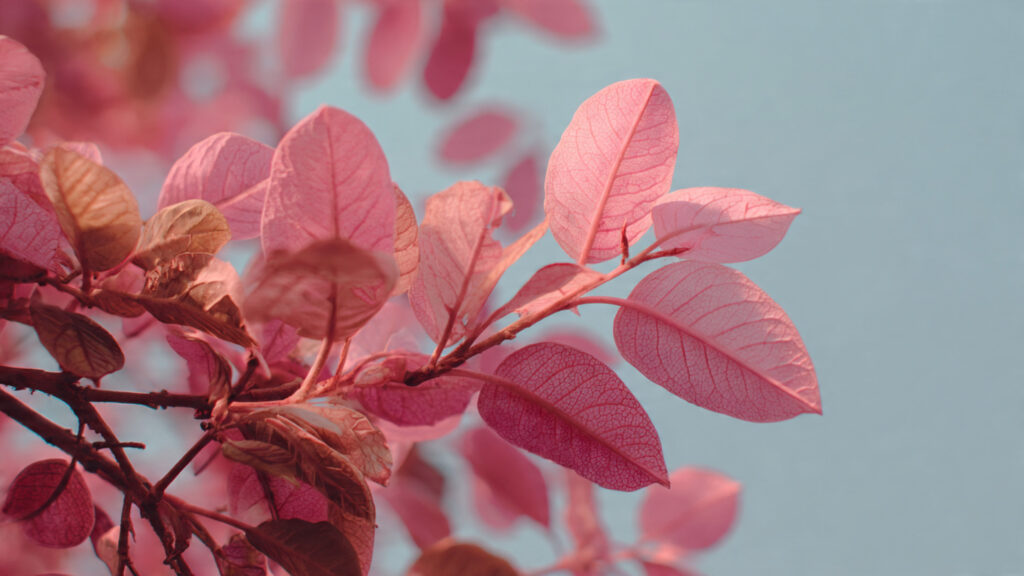
Over the past few years, one striking trend has taken social media platforms by storm: pink foliage. From Instagram feeds to TikTok garden tours, enthusiasts, gardeners, and interior designers alike are captivated by the delicate blush, vibrant rose, and deep magenta hues of plants with pink leaves. But why is pink foliage so visually compelling, and what makes it such a shareable phenomenon online? Let’s dive into the science, aesthetics, and cultural reasons behind the rise of this trend—and explore how it’s transforming gardens, homes, and digital spaces.
The Allure of Unusual Colors in Nature
Humans are naturally drawn to color, especially unusual or striking hues. In nature, most foliage is green because chlorophyll drives photosynthesis. Green is calming, familiar, and abundant, so any deviation from this norm—like pink foliage—immediately attracts attention.
- Visual Contrast – Pink leaves stand out dramatically against green backgrounds, creating an eye-catching visual effect.
- Color Psychology – Pink evokes feelings of playfulness, charm, and warmth. It’s associated with softness, creativity, and romance, which resonates strongly with social media aesthetics.
- Rarity Factor – Unlike common green plants, pink foliage is unusual and therefore “shareable.” People love to post images of things that feel rare or exclusive.
In short, pink foliage is visually intriguing, emotionally engaging, and inherently social-media-friendly.
Popular Pink Foliage Plants Trending Online
Several plant species have become Instagram stars because of their pink leaves or variegation. Here are some of the most popular:
- Pink Princess Philodendron (Philodendron erubescens) – Known for its deep green leaves streaked with hot pink, it’s a favorite among indoor plant collectors.
- Caladiums – Their heart-shaped leaves can feature combinations of pink, white, and red, making them vibrant garden or indoor statement pieces.
- Polka Dot Plant (Hypoestes phyllostachya) – Tiny pink spots on green leaves give a whimsical, playful look.
- Coleus – Varieties with pink, red, or magenta foliage are perfect for container gardens or borders.
- Pink Oxalis (Oxalis triangularis) – Its deep magenta foliage adds drama and contrast to any space.
Expert Tip: Many of these plants not only provide color but also vary in size, texture, and shape, adding another layer of visual appeal for photography and styling.
Social Media and the Pink Foliage Phenomenon
Pink foliage has surged in popularity largely because of social media trends. Platforms like Instagram, Pinterest, and TikTok thrive on visually compelling content, and plants with pink leaves check all the boxes:
- Photogenic Appeal – Pink foliage pops in photos, making it ideal for flat-lays, garden shots, or interior decor posts.
- Curated Aesthetics – Influencers use pink plants to enhance mood boards, Instagram corners, or color-themed feeds.
- Virality Factor – Rare or unusual plants tend to go viral. People share them as “must-have” items, creating a ripple effect that spreads the trend.
The hashtag culture also amplifies interest. Tags like #PinkPlants, #PinkFoliage, and #PlantAesthetic often garner thousands of likes and shares, encouraging more people to join the trend.
The Science Behind Pink Leaves
While green dominates plant leaves due to chlorophyll, pink foliage occurs due to pigments like anthocyanins. These pigments can serve multiple purposes:
- Sun Protection – Anthocyanins can shield leaves from excessive sunlight, preventing damage.
- Stress Response – Some plants produce pink pigments when exposed to cooler temperatures, nutrient variations, or changes in light.
- Attracting Pollinators – While more relevant to flowers than leaves, colorful foliage can sometimes help lure pollinators to nearby blooms.
Understanding the science behind the color adds another layer of appreciation for these plants. Pink leaves aren’t just visually stunning—they’re also fascinating from a botanical perspective.
Why People Are Obsessed With Pink Foliage
- Novelty and Rarity – Humans love things that feel exclusive or limited. Pink foliage offers a break from the ordinary.
- Interior Design Flexibility – Pink plants complement pastel decor, modern minimalism, and boho-chic aesthetics, making them highly versatile.
- Mood Boosting – Studies show that exposure to colorful plants can improve mood, reduce stress, and enhance creativity. Pink, in particular, is associated with positive emotions and calmness.
- Social Proof – When influencers and plant enthusiasts post pink foliage, followers want to recreate that look, driving both demand and online visibility.
Pink foliage taps into our love for beauty, status, and sensory pleasure—all of which make it inherently shareable and desirable.
Growing Pink Foliage Plants Successfully
If you want to join the trend and add pink foliage to your space, here are some essential care tips:
- Light Requirements – Most pink-leaved plants need bright, indirect light. Too much direct sun can fade the color, while too little light can make the pink less vibrant.
- Watering – Keep soil consistently moist but avoid overwatering. Many pink foliage plants are sensitive to root rot.
- Temperature & Humidity – Tropical pink plants like Philodendrons or Caladiums thrive in warm, humid environments. Indoor humidity trays or occasional misting help.
- Fertilization – Use a balanced, diluted fertilizer during the growing season to maintain healthy foliage and vibrant color.
- Pruning – Remove damaged or dull leaves to encourage new growth with rich pink hues.
Expert Tip: Research the specific plant variety you have. Some plants, like Pink Princess Philodendron, have slow-growing pink patches that intensify with age and proper care. Patience is key.
Pink Foliage in Garden Design and Interior Decor
Beyond social media, pink foliage is changing how we design gardens and interiors.
- Accent Planting – Pink plants provide focal points in gardens, breaking up green monotony and adding visual drama.
- Container Gardens – Mixing pink foliage with green and white plants in pots creates striking combinations for patios or balconies.
- Interior Styling – Pink plants double as natural art pieces, complementing neutral tones or colorful décor in living rooms, kitchens, and offices.
- Seasonal Themes – Pink leaves are often used for spring or summer displays, pairing beautifully with flowering plants of complementary colors.
The versatility of pink foliage makes it appealing for both plant enthusiasts and professional designers alike.
The Future of Pink Foliage Trends
The fascination with pink leaves shows no signs of slowing down. Breeders are actively developing new varieties with deeper pink tones, variegation, and unique patterns, expanding the possibilities for gardeners and influencers. Social media platforms continue to favor visually striking, rare plants, which means pink foliage will likely remain a trending subject for years.
➡️ How to Grow Malabar Spinach from Cuttings for Fast, Easy Greens
➡️ How to Grow Super Delicious Cabbage at Home Without a Garden
➡️ How to Grow Bean Sprouts at Home in Plastic Bottles Easily (Step‑by‑Step Guide)
➡️ Why is Your Lemon Tree Blooming in the Heart of Winter?
➡️ Why Should Your Garden Have a Dedicated Pollinator Highway?
➡️ Why Do Your Fruit Trees Need a Winter Wash to Thrive in Spring?
➡️ How Can Rice Water Transform Your Fruits into Sweeter Delights?
➡️ Jumpstart Your Winter Garden: Seed Starting Under Lights
Additionally, pink foliage aligns with the “plant aesthetic” movement, where plants are curated as part of personal style, home décor, and lifestyle branding. As people continue to prioritize beautiful, photogenic, and mood-enhancing plants, pink leaves will remain at the forefront of the plant trend.
Final Thoughts
Pink foliage has captivated the attention of millions because it’s visually striking, emotionally appealing, and versatile. From tropical indoor plants to outdoor garden accents, these blush-colored leaves break the monotony of green, brighten spaces, and inspire creativity. Social media has amplified this fascination, turning rare plants into must-have items and sparking a global trend.
Whether you’re a gardener, interior designer, or social media enthusiast, incorporating pink foliage into your space is more than just following a trend—it’s bringing beauty, curiosity, and personality into your home or garden.
So, the next time you scroll through your feed and see a splash of pink in someone’s plant collection, you’ll understand why it’s so mesmerizing. The combination of rarity, color psychology, and sheer visual appeal makes pink foliage not just a trend, but a modern botanical phenomenon that’s here to stay.