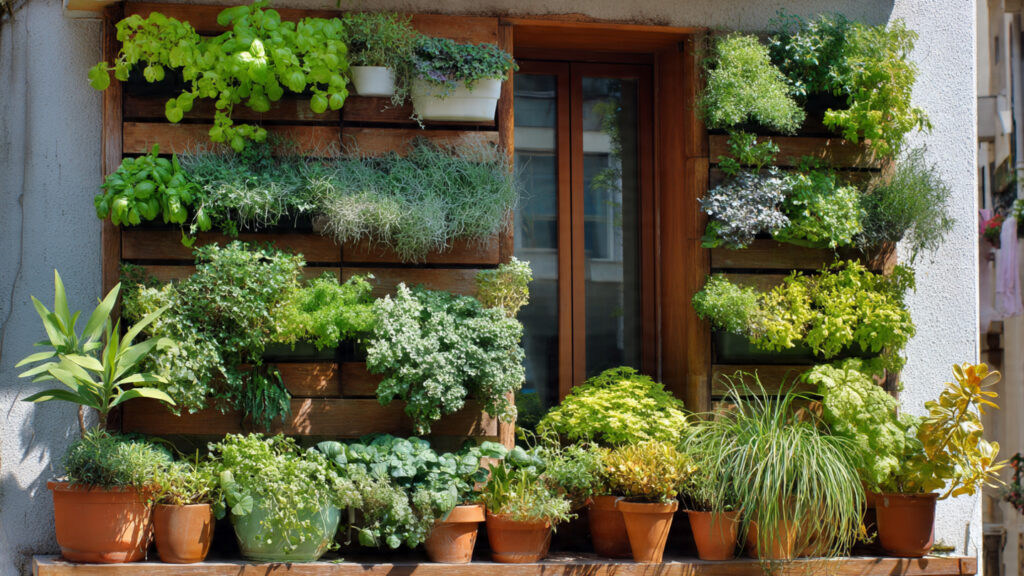
Imagine opening your kitchen door and being greeted by fresh, fragrant herbs—basil, mint, parsley, rosemary—growing beautifully right in front of you. No backyard needed. No complicated gardening setup. Just a simple, space-saving vertical herb garden that turns your sunny kitchen door into a living wall of flavor.
Vertical herb gardens are one of the smartest gardening trends for modern homes, especially for people with limited space. They are practical, beautiful, and incredibly rewarding because you can harvest fresh herbs anytime while cooking.
If you’ve been wondering how to create a vertical herb garden on your sunny kitchen door, this complete guide will walk you through everything step by step.
Why Grow Herbs Vertically on a Kitchen Door?
A sunny kitchen door is one of the most underrated gardening spaces in the home. It offers the perfect combination of light, warmth, and easy access.
Here’s why vertical herb gardens work so well there:
- Maximizes small spaces
- Keeps herbs close to your cooking area
- Adds natural beauty to the kitchen
- Provides fresh herbs year-round
- Improves indoor air quality
- Creates a fun DIY décor feature
Instead of herbs taking up counter space, they grow upward—turning an unused surface into a mini garden.
Step 1: Check if Your Door Gets Enough Sunlight
Before building your vertical herb garden, observe the light.
Most herbs need:
- 6–8 hours of sunlight per day
A sunny kitchen door is perfect if it gets:
- Morning sunlight (gentle and ideal)
- Bright indirect light most of the day
- Afternoon light (works, but may require extra watering)
If the door is shaded, you can still grow herbs with a small grow light, but natural sunlight is best.
Step 2: Choose the Best Herbs for Vertical Door Gardens
Not all herbs grow well in small containers, so choose varieties that thrive indoors and stay manageable.
Best Herbs for a Sunny Kitchen Door:
- Basil – fast-growing and flavorful
- Parsley – hardy and great for beginners
- Mint – grows quickly (best in its own pot)
- Thyme – compact and drought-tolerant
- Oregano – perfect for vertical planters
- Chives – easy and low maintenance
- Cilantro – grows well in cooler seasons
- Rosemary – loves sun, but needs deeper pots
Start with 4–6 herbs at first to avoid overcrowding.
Step 3: Pick a Vertical Garden Style That Fits Your Door
There are several creative ways to build a vertical herb garden, depending on your space and style.
Option 1: Hanging Pocket Planter
A fabric or felt pocket organizer works beautifully for herbs.
Pros:
➡️ How to Grow Malabar Spinach from Cuttings for Fast, Easy Greens
➡️ How to Grow Super Delicious Cabbage at Home Without a Garden
➡️ How to Grow Bean Sprouts at Home in Plastic Bottles Easily (Step‑by‑Step Guide)
➡️ Why is Your Lemon Tree Blooming in the Heart of Winter?
➡️ Why Should Your Garden Have a Dedicated Pollinator Highway?
➡️ Why Do Your Fruit Trees Need a Winter Wash to Thrive in Spring?
➡️ How Can Rice Water Transform Your Fruits into Sweeter Delights?
➡️ Jumpstart Your Winter Garden: Seed Starting Under Lights
- Lightweight
- Affordable
- Easy to install
Cons:
- Needs careful watering to prevent dripping
Option 2: Wall-Mounted Pots or Containers
Small pots attached to a wooden board or rack create a clean, modern look.
Pros:
- Better drainage
- Easy to remove pots for watering
Option 3: Over-the-Door Herb Rack
A rack that hangs over the top of the door without drilling.
Pros:
- No damage to the door
- Great for renters
Option 4: DIY Recycled Containers
Use mason jars, tin cans, or plastic bottles mounted vertically.
Pros:
- Eco-friendly
- Budget-friendly
- Customizable
Choose the style that works best with your door’s size and your kitchen décor.
Step 4: Gather the Materials You’ll Need
Here’s a simple checklist for building your vertical herb garden:
Basic Supplies:
- Vertical planter (pocket organizer, rack, or pots)
- Small herb pots or containers
- Potting mix (light and well-draining)
- Herb seedlings or seeds
- Hooks, screws, or over-door hangers
- Waterproof tray or mat (optional)
- Small watering can or spray bottle
Optional extras:
- Plant labels
- Decorative fairy lights
- Self-watering containers
Step 5: Install Your Vertical Herb Garden Securely
Since the garden will hang on a door, safety is important.
Installation Tips:
- Use strong hooks or brackets
- Avoid making it too heavy
- Place heavier pots at the bottom
- Make sure the door can still open easily
If you’re renting, use:
- Over-the-door hooks
- Removable adhesive wall hooks (for lightweight planters)
Stability is key, especially when watering.
Step 6: Use the Right Soil for Herbs
Herbs grow best in soil that drains well.
Ideal Herb Soil Mix:
- 70% potting soil
- 20% compost
- 10% perlite or sand
Avoid heavy garden soil—it holds too much water and can cause root rot indoors.
Healthy soil = healthier herbs and stronger flavor.
Step 7: Plant Your Herbs Properly
Once your containers are ready:
- Fill each pot with soil
- Plant seedlings or sow seeds
- Press soil gently around roots
- Water lightly after planting
Spacing Matters:
Don’t overcrowd herbs. Each plant needs airflow to prevent mold and pests.
Mint should always be planted separately because it spreads aggressively.
Step 8: Watering a Vertical Herb Garden Without Mess
Watering is the most common challenge with door gardens.
Best Watering Practices:
- Water slowly to avoid dripping
- Use a spray bottle for gentle moisture
- Place a waterproof mat underneath
- Bottom pots may catch runoff from upper ones
How Often to Water:
- Basil and parsley: 2–3 times per week
- Thyme and rosemary: once per week
- Mint: keep consistently moist
Always check the top inch of soil first. If dry, it’s time to water.
Step 9: Harvest Herbs Regularly for More Growth
Harvesting isn’t just for cooking—it helps herbs grow bushier.
Harvest Tips:
- Pinch leaves from the top
- Never remove more than 1/3 of the plant at once
- Remove flowers to keep leaves flavorful
Frequent harvesting encourages fresh new growth and prevents legginess.
Step 10: Maintain Your Kitchen Door Herb Garden Year-Round
To keep your vertical garden thriving:
Regular Maintenance:
- Rotate pots weekly for even sunlight
- Trim herbs often
- Watch for pests like aphids or spider mites
- Replace weak plants seasonally
Seasonal Adjustments:
- In winter, reduce watering
- Add a small grow light if sunlight decreases
- Move sensitive herbs away from cold drafts
With basic care, your herb door garden can stay productive all year.
Extra Creative Ideas to Make It Beautiful
Want your vertical herb garden to double as décor?
Try these upgrades:
- Use matching ceramic pots for a clean look
- Add handwritten herb labels
- Install fairy lights around the frame
- Combine herbs with edible flowers like nasturtium
- Use wooden pallets for a rustic farmhouse vibe
A vertical herb garden can be both functional and stunning.
Benefits of a Vertical Herb Garden on Your Kitchen Door
Once established, you’ll enjoy:
- Fresh herbs anytime you cook
- Less grocery waste
- A greener kitchen environment
- Aromatic natural fragrance
- Beautiful DIY home décor
- A relaxing daily gardening habit
It’s one of the easiest ways to bring nature indoors.
Final Thoughts
Creating a vertical herb garden on your sunny kitchen door is one of the most rewarding small-space gardening projects you can do. With just a few containers, the right herbs, and consistent watering, you can transform an ordinary door into a lush, living pantry.
Whether you’re snipping basil for pasta, mint for tea, or rosemary for roasted vegetables, having herbs within arm’s reach makes cooking healthier, fresher, and more enjoyable.
So go ahead—turn that sunny kitchen door into a vertical herb paradise.