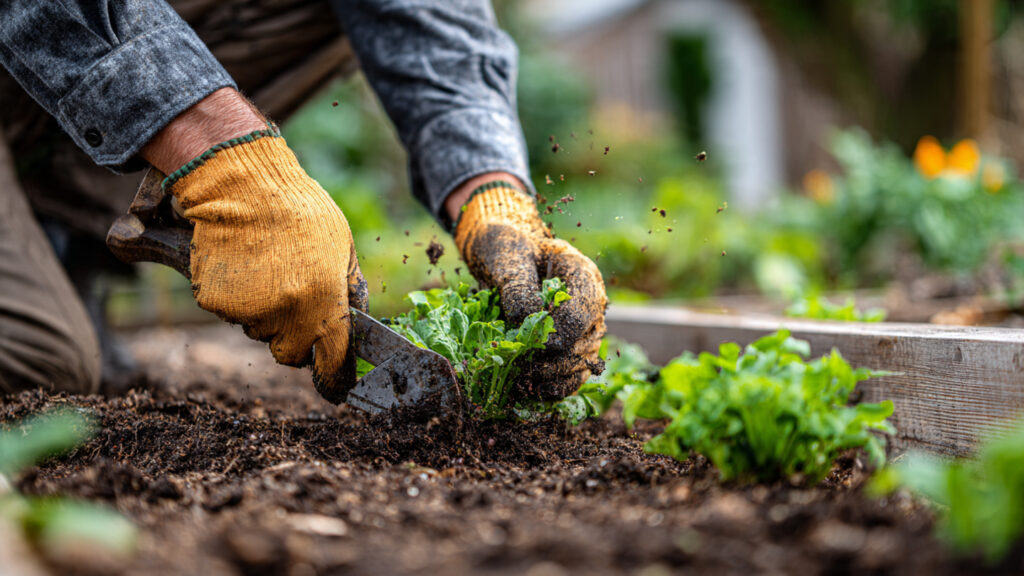
If you’ve ever walked through a lush, thriving garden, you might have noticed a professional gardener trimming plants, then leaving the cuttings right on the soil. This simple practice, known as the “chop and drop” method, is gaining popularity among gardeners worldwide. But why do professional gardeners swear by it? And how can this method transform your own garden into a low-maintenance, fertile haven?
In this article, we’ll explore the science, benefits, and practical steps behind the chop and drop method, showing why it’s a favorite among gardening experts.
Understanding the Chop and Drop Method
The chop and drop method is a form of organic mulching and natural soil enrichment. Instead of removing pruned plant material, gardeners “chop” the stems, leaves, or old plants and “drop” them directly onto the soil. Over time, these plant residues decompose, enriching the soil with nutrients and improving overall plant health.
Unlike traditional mulching, which requires buying materials like wood chips, straw, or compost, chop and drop uses what you already have in your garden—making it eco-friendly and cost-effective.
Why Professional Gardeners Prefer Chop and Drop
Professional gardeners choose this method for several compelling reasons:
1. Soil Fertility Improvement
One of the biggest advantages of chop and drop is enhanced soil fertility. When plant material decomposes, it returns essential nutrients such as nitrogen, phosphorus, and potassium back to the soil. This natural recycling process reduces the need for chemical fertilizers.
For example, leaves from nitrogen-rich plants like comfrey or legumes decompose quickly, feeding the soil and boosting the growth of nearby vegetables, flowers, or fruit trees.
2. Moisture Retention
Chop and drop also acts as a natural mulch, helping the soil retain moisture. This is particularly valuable during dry seasons or in regions with limited rainfall. By covering the soil, the chopped plant material reduces evaporation, keeps roots cool, and ensures plants have consistent access to water.
Professional gardeners often combine chop and drop with drip irrigation for maximum water efficiency, making gardens more resilient in hot climates.
3. Weed Suppression
Another reason professionals love this method is its ability to suppress weeds naturally. When plant material covers the soil, it blocks sunlight from reaching weed seeds, preventing them from germinating. Over time, this reduces the amount of weeding required—saving time and effort for gardeners managing large spaces.
Unlike chemical herbicides, chop and drop keeps your garden safe for children, pets, and beneficial insects.
4. Encourages Soil Life
Healthy soil is full of life: earthworms, microbes, and beneficial fungi play a crucial role in nutrient cycling. Chop and drop provides a constant food source for these organisms, which, in turn, break down organic matter into nutrient-rich humus.
This natural soil enrichment improves soil structure, increases aeration, and supports stronger plant root systems. Professional gardeners know that a garden rich in soil life produces healthier, more resilient plants.
5. Reduces Garden Waste
Professional gardeners produce a lot of plant trimmings, dead leaves, and spent crops. Instead of bagging and discarding this material, the chop and drop method recycles garden waste on-site. It’s a sustainable approach that reduces trips to the compost heap or landfill.
For large-scale operations, this not only saves time but also lowers costs associated with waste disposal and mulch purchase.
➡️ How to Grow Malabar Spinach from Cuttings for Fast, Easy Greens
➡️ How to Grow Super Delicious Cabbage at Home Without a Garden
➡️ How to Grow Bean Sprouts at Home in Plastic Bottles Easily (Step‑by‑Step Guide)
➡️ Why is Your Lemon Tree Blooming in the Heart of Winter?
➡️ Why Should Your Garden Have a Dedicated Pollinator Highway?
➡️ Why Do Your Fruit Trees Need a Winter Wash to Thrive in Spring?
➡️ How Can Rice Water Transform Your Fruits into Sweeter Delights?
➡️ Jumpstart Your Winter Garden: Seed Starting Under Lights
How to Practice Chop and Drop Effectively
While the concept is simple, there are best practices professionals follow to ensure maximum benefits:
Step 1: Select the Right Plant Material
Not all plant materials decompose at the same rate. Professionals choose wisely:
- Quick-decomposing material: Soft stems, leafy greens, and annual plant cuttings.
- Slower-decomposing material: Woody stems or tough branches can be chopped into smaller pieces to speed up decomposition.
- Avoid diseased plants: Diseased leaves or infected stems should not be used, as they can spread pathogens to healthy plants.
Step 2: Chop Properly
- Cut plants into manageable pieces so they break down faster.
- For leafy crops like kale or spinach, simply chop and scatter.
- For shrubs or small trees, use pruners or a garden shredder to make mulch-sized fragments.
Step 3: Drop Strategically
- Spread the chopped material evenly around the base of plants.
- Keep a small gap around the stem to prevent rot or fungal growth.
- Layer thicker material in pathways or bare soil to suppress weeds effectively.
Step 4: Maintain and Refresh
- Over time, the material decomposes and integrates into the soil.
- Add new chop and drop material periodically, especially after pruning or harvesting.
- Monitor for signs of pests or excess moisture that could cause plant disease.
Plants That Benefit Most from Chop and Drop
While almost any garden plant can contribute to the chop and drop system, some are especially effective:
- Legumes (beans, peas): Add nitrogen to the soil.
- Comfrey: Breaks down quickly and is high in nutrients.
- Herbs (basil, mint, parsley): Provide aromatic mulch that deters pests.
- Vegetable trimmings: Leftover kale, spinach, or carrot tops make excellent mulch.
- Flower stalks: Marigolds, zinnias, and sunflowers enrich soil while attracting pollinators.
Common Mistakes to Avoid
Even seasoned gardeners can make errors with chop and drop. Avoid these pitfalls for best results:
- Using diseased material: Always inspect plants before chopping.
- Excessive layering: Thick piles may suffocate soil and roots, slowing decomposition.
- Ignoring woody stems: Chop large woody parts to accelerate breakdown.
- Neglecting moisture: Material should remain slightly damp to decompose efficiently.
- Skipping rotation: Rotate chop and drop areas to avoid nutrient depletion in one spot.
Beyond Soil Health: Other Benefits
Professional gardeners appreciate that chop and drop isn’t just about nutrients:
- Biodiversity: Mulch attracts beneficial insects like ladybugs and predatory beetles.
- Erosion control: Protects soil from heavy rain and wind.
- Reduced labor: Less weeding, watering, and fertilizer application.
- Cost-effective gardening: Eliminates the need to buy commercial mulch or compost.
In short, chop and drop aligns with sustainable, regenerative gardening practices that professionals value.
Success Stories from Professional Gardens
Many commercial and home garden experts swear by this method. For example:
- Vegetable farms using chop and drop report larger yields with less fertilizer.
- Organic flower growers notice brighter blooms and stronger stems when applying plant residues as mulch.
- Permaculture designers rely on chop and drop to maintain soil fertility year-round while keeping gardens low-maintenance.
These real-world examples show that the method is versatile and highly effective for different garden types and climates.
Conclusion
The chop and drop method is more than just a gardening trick—it’s a professional strategy for creating healthy, sustainable, and productive gardens. By recycling plant material directly into the soil, gardeners can improve fertility, retain moisture, suppress weeds, encourage soil life, and reduce waste—all while spending less time on maintenance.
Whether you have a small backyard garden or a sprawling vegetable patch, adopting chop and drop can transform the way you garden. It’s simple, eco-friendly, and backed by the practices of professional gardeners worldwide.
Next time you prune your plants or harvest crops, don’t bag those trimmings—chop and drop them, and watch your garden thrive naturally. With consistent practice, you’ll notice stronger plants, richer soil, and a more vibrant, productive garden.