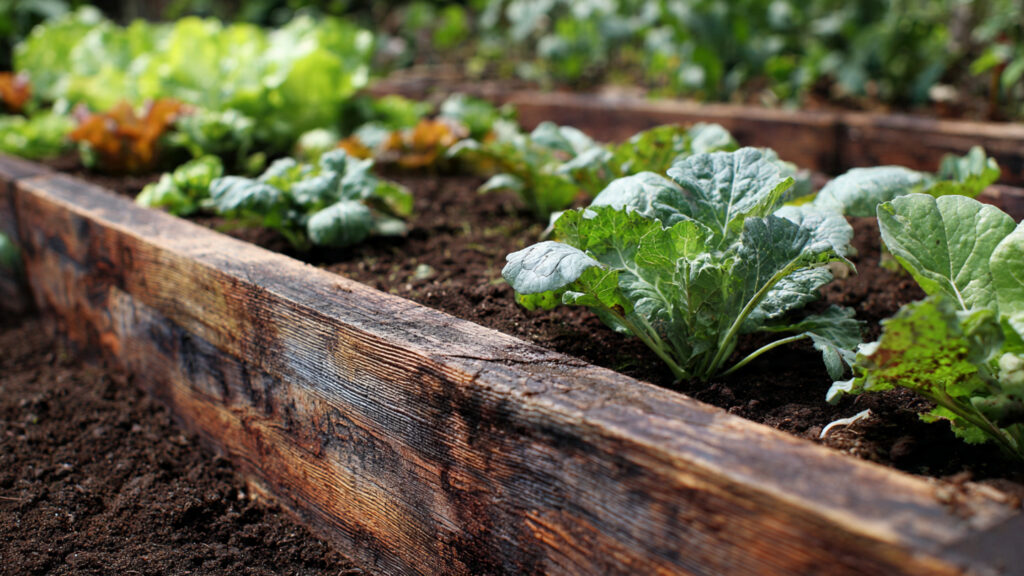
Raised vegetable beds are a popular solution for gardeners who want better soil control, improved drainage, and easier access to fresh produce. Building a raised bed may seem as simple as stacking wooden planks, but the type of wood you choose can have a major impact on the health of your garden—and even the safety of your family. In particular, treated wood, often marketed as “rot-resistant” or “long-lasting,” is not ideal for growing vegetables.
This article explains why treated wood can be harmful, explores safer alternatives, and offers practical tips for building sustainable and healthy raised beds.
What Is Treated Wood?
Treated wood refers to lumber that has been infused with chemicals to resist decay, insects, and fungi. Historically, this included chromated copper arsenate (CCA), which contains arsenic, a toxic heavy metal. Modern treated woods use less toxic preservatives, such as alkaline copper quaternary (ACQ) or copper azole, but even these contain compounds that can leach into soil over time.
These chemicals are great for outdoor construction projects like decks or fences—but for vegetable beds, they present several concerns.
Risks of Using Treated Wood for Vegetables
1. Chemical Leaching into Soil
Even modern treated wood can leach copper, chromium, or other preservatives into the soil. This is particularly concerning for raised vegetable beds, where soil is contained and roots are concentrated.
- Copper accumulation can become toxic to plants, stunting growth or reducing yield.
- Certain preservatives can remain in soil for years, especially in moist conditions.
- Contaminated vegetables can absorb these chemicals, posing potential health risks when consumed.
2. Potential Health Hazards
Vegetables grown in contact with treated wood may absorb harmful chemicals over time. While the risk is lower with modern preservatives, long-term exposure—especially in gardens used year after year—can increase the likelihood of ingestion of toxic compounds.
This is particularly concerning for children and pregnant women, who are more vulnerable to heavy metal exposure.
3. Environmental Impact
Treated wood that leaches chemicals can also affect local ecosystems:
- Contaminated runoff can enter water systems.
- Beneficial soil microbes may be harmed, reducing soil fertility.
- Composting soil from beds containing treated wood can spread chemical residues into other parts of your garden.
4. Reduced Soil Health
Chemicals in treated wood can alter soil pH and microbial balance, both of which are crucial for growing healthy vegetables. Soil microbes are responsible for breaking down organic matter and making nutrients available to plants, so any disruption can reduce the overall fertility of your garden.
Safer Alternatives to Treated Wood
Fortunately, there are several safer, effective options for raised beds that won’t compromise the health of your soil or vegetables.
1. Untreated, Naturally Rot-Resistant Woods
Some woods naturally resist decay without chemical treatment:
- Cedar – Durable, aromatic, and naturally resistant to rot and insects. Ideal for raised beds and can last 10–15 years.
- Redwood – Another long-lasting, decay-resistant option with minimal chemical concerns.
- Cypress – Resistant to moisture and insects, suitable for humid climates.
These woods are slightly more expensive than treated lumber but provide peace of mind for food safety.
2. Reclaimed or Salvaged Wood
Reclaimed wood is an eco-friendly option that gives new life to old lumber. Just make sure:
- It’s free from paint, stain, or chemical treatments.
- There is no history of industrial or pesticide contamination.
Using reclaimed wood also reduces waste and lowers your gardening costs.
3. Composite Lumber
Composite lumber is made from a mix of wood fibers and recycled plastics. While more expensive, it is resistant to rot and does not leach toxic chemicals. Choose food-safe labeled composites if possible.
➡️ How to Grow Malabar Spinach from Cuttings for Fast, Easy Greens
➡️ How to Grow Super Delicious Cabbage at Home Without a Garden
➡️ How to Grow Bean Sprouts at Home in Plastic Bottles Easily (Step‑by‑Step Guide)
➡️ Why is Your Lemon Tree Blooming in the Heart of Winter?
➡️ Why Should Your Garden Have a Dedicated Pollinator Highway?
➡️ Why Do Your Fruit Trees Need a Winter Wash to Thrive in Spring?
➡️ How Can Rice Water Transform Your Fruits into Sweeter Delights?
➡️ Jumpstart Your Winter Garden: Seed Starting Under Lights
4. Other Materials
- Bricks, concrete blocks, or stone – Durable and chemical-free options for raised bed walls.
- Galvanized steel or corrugated metal – Rust-resistant and long-lasting. Lined with untreated wood or food-safe material to prevent metal contact with soil if desired.
How to Build Safe Raised Beds
Here are practical tips for building a safe, long-lasting raised vegetable bed:
- Select Non-Treated Wood – Choose cedar, redwood, or cypress for natural durability.
- Line Your Beds (Optional) – Use cardboard or landscape fabric between soil and wood to extend the life of your bed and reduce potential chemical exposure.
- Ensure Proper Drainage – Drill small holes or leave gaps at the bottom to prevent waterlogging and wood rot.
- Avoid Contact With Chemicals – Don’t use pressure-treated mulch, herbicides, or fertilizers with heavy metals in your raised bed.
- Maintain Soil Health – Rotate crops annually, add compost, and consider cover crops to keep the soil fertile.
Signs Treated Wood May Be Affecting Your Garden
If you inadvertently use treated wood, watch for these indicators:
- Poor vegetable growth or leaf discoloration.
- Stunted roots or wilting plants despite adequate care.
- Unusual changes in soil color or texture over time.
If these symptoms appear, it’s best to replace the bed with safe materials and test the soil for chemical residues before planting again.
Additional Considerations
- Budgeting – While untreated woods are more expensive upfront, they last long and avoid potential medical or environmental costs.
- Durability vs. Safety – Treated wood may last longer, but the risk to food safety makes the trade-off less appealing for vegetable gardens.
- Seasonal Maintenance – Even naturally rot-resistant woods benefit from proper maintenance, such as sealing edges with food-safe oils.
Conclusion
When building raised vegetable beds, avoiding treated wood is crucial for the health of your plants, your family, and the environment. While treated lumber offers convenience and durability, the potential chemical leaching and long-term soil contamination make it unsuitable for edible gardens.
Instead, opt for untreated, naturally rot-resistant wood, reclaimed lumber, composite materials, or other safe alternatives. Pair these with proper soil preparation, drainage, and maintenance to create a productive and safe garden for years to come.
By choosing the right materials, you can enjoy lush, healthy vegetables while protecting your family from unnecessary chemical exposure and supporting sustainable gardening practices. Healthy soil, safe materials, and thoughtful construction are the foundations of a thriving vegetable garden.
Your raised beds can be durable, attractive, and safe, proving that you don’t need treated wood to grow an abundant, chemical-free harvest.