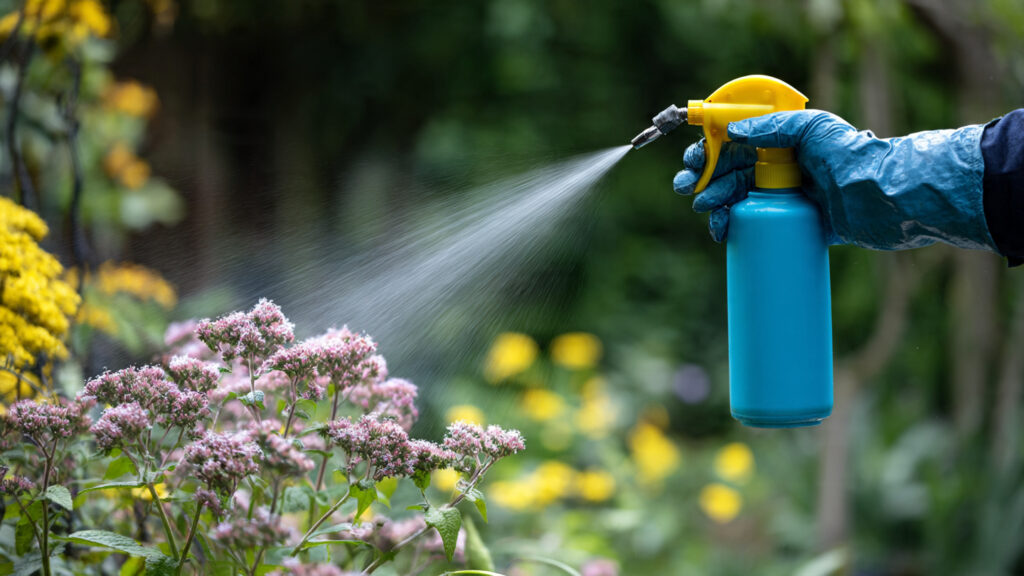
If you’ve been scrolling through gardening forums or social media lately, you may have noticed a growing trend: gardeners everywhere are talking about molasses in garden sprayers. It seems like a sudden craze, but there’s a good reason why this sweet byproduct is gaining attention in the gardening community. Molasses isn’t just for baking cookies—it’s a powerful, natural solution that supports plant growth, improves soil health, and enhances microbial activity. In this article, we’ll explore why molasses is making waves in gardens, how it works, and how you can safely use it in your own sprays for healthier plants.
What is Molasses and Why Does it Work for Plants?
Molasses is a thick, dark syrup that is a byproduct of sugar production, usually from sugarcane or sugar beet. Rich in sugars, minerals, and micronutrients, molasses has long been valued in agriculture for its soil and plant benefits. But why is it now being added directly to garden sprayers?
The answer lies in its sugar content. Plants themselves don’t absorb the sugar directly from foliar sprays in large quantities, but the sugars serve as food for beneficial microbes living on the leaves and in the soil. These microbes play a key role in nutrient cycling, breaking down organic matter, and protecting plants from harmful pathogens.
In short, molasses helps create a thriving micro-ecosystem for plants to flourish—both above and below the soil.
Benefits of Using Molasses in Garden Sprayers
Gardeners are turning to molasses for its wide range of benefits. Here are the key advantages:
1. Boosts Soil Microbial Life
Molasses is a natural source of carbon and minerals, which are essential for soil microbes. Spraying diluted molasses or adding it to soil feeds these beneficial bacteria and fungi, promoting nutrient-rich soil. Healthier microbes mean healthier plants, better nutrient uptake, and improved resistance to stress.
2. Enhances Plant Growth
Molasses contains minerals such as iron, calcium, magnesium, and potassium, which support plant growth. When used in garden sprays or soil drenches, it provides a gentle nutritional boost that encourages strong stems, vibrant leaves, and abundant flowers or fruits.
3. Suppresses Plant Pests Naturally
Some gardeners report that molasses sprays can help deter pests like aphids, spider mites, and whiteflies. The sugars in molasses attract beneficial insects, such as ladybugs and lacewings, which prey on these pests. Essentially, molasses promotes a natural pest control system in your garden.
4. Supports Composting
Molasses isn’t just for plants—it’s also an excellent additive to compost. Spraying or drizzling molasses over compost piles accelerates decomposition by feeding the microbes that break down organic matter, producing richer compost faster.
5. Helps Plants During Stress
Drought, heat, and transplanting stress can weaken plants. Molasses sprays help by feeding microbial communities on leaves and soil, indirectly reducing stress and improving plant recovery.
How to Use Molasses in Garden Sprayers
If you’re excited to try molasses in your garden, here’s a simple step-by-step guide for foliar sprays:
Ingredients:
- 1–2 tablespoons of unsulphured molasses (avoid blackstrap if using foliar sprays)
- 1 gallon of water
- Optional: A few drops of liquid seaweed or compost tea for extra nutrients
Directions:
- Dissolve the molasses in a small amount of warm water first.
- Mix it into a gallon of water and stir thoroughly.
- Pour the solution into your garden sprayer.
- Spray lightly on the leaves, stems, and soil around the base of the plants. Avoid over-saturating to prevent dripping.
- Repeat once a week during the growing season for best results.
Tip: Morning or late afternoon is ideal for spraying. Avoid the hottest parts of the day to prevent leaf burn.
Which Plants Benefit Most from Molasses Sprays?
Molasses is versatile and safe for most garden plants, including:
- Vegetables: Tomatoes, peppers, cucumbers, lettuce, and leafy greens thrive with molasses-fed microbes.
- Fruits: Strawberries, citrus, blueberries, and melons show improved growth and flavor.
- Herbs: Basil, mint, and parsley respond well to foliar sprays.
- Flowers: Roses, marigolds, and petunias benefit from healthier foliage and brighter blooms.
However, always test on a small portion of your plants first to ensure compatibility. Some delicate seedlings may prefer a more diluted solution.
Common Questions About Molasses Sprays
1. Is Molasses Safe for Organic Gardens?
Yes! Molasses is a natural, organic-friendly product. It’s allowed in most organic gardening systems and is a great alternative to chemical fertilizers.
➡️ How to Grow Malabar Spinach from Cuttings for Fast, Easy Greens
➡️ How to Grow Super Delicious Cabbage at Home Without a Garden
➡️ How to Grow Bean Sprouts at Home in Plastic Bottles Easily (Step‑by‑Step Guide)
➡️ Why is Your Lemon Tree Blooming in the Heart of Winter?
➡️ Why Should Your Garden Have a Dedicated Pollinator Highway?
➡️ Why Do Your Fruit Trees Need a Winter Wash to Thrive in Spring?
➡️ How Can Rice Water Transform Your Fruits into Sweeter Delights?
➡️ Jumpstart Your Winter Garden: Seed Starting Under Lights
2. Can You Overuse Molasses?
While beneficial, excessive molasses can attract unwanted ants or fungal growth. Stick to weekly applications or dilute further for sensitive plants.
3. Should You Use Blackstrap or Regular Molasses?
- Blackstrap molasses: Very nutrient-rich, ideal for soil drenching and compost.
- Regular molasses: Sweeter and lighter, better for foliar sprays to feed microbes without overloading leaves.
4. Will Molasses Make Plants Grow Faster?
Molasses doesn’t act as a direct fertilizer, but by feeding microbes and improving nutrient availability, it can indirectly promote faster and healthier growth.
DIY Molasses Garden Recipes
Here are a few variations gardeners love:
1. Molasses and Compost Tea Spray
- 1 tablespoon molasses
- 1 cup compost tea
- 1 gallon water
Mix and spray for enhanced microbial activity and nutrient delivery.
2. Molasses and Seaweed Foliar Spray
- 1 tablespoon molasses
- 1 teaspoon liquid seaweed extract
- 1 gallon water
Spray weekly for lush, green leaves and improved stress tolerance.
3. Molasses Soil Drench
- 2 tablespoons molasses
- 1 gallon water
Pour around the base of plants to feed soil microbes directly and improve root health.
The Buzz Around Molasses This Week
The recent surge in molasses use in garden sprayers is driven by a combination of factors:
- Social Media Influence: Gardeners sharing before-and-after photos of thriving plants have inspired many to try this simple method.
- Organic Gardening Trend: As gardeners shift away from chemicals, natural solutions like molasses gain popularity.
- Ease of Use: Molasses is inexpensive, easy to mix, and accessible at most grocery stores.
- Visible Results: Plants treated with molasses often show greener leaves, stronger stems, and improved blooms within weeks, creating excitement in the gardening community.
Final Thoughts: Sweet Success in Your Garden
Molasses in garden sprayers isn’t just a passing trend—it’s a practical, proven way to boost plant health naturally. By feeding beneficial microbes, improving nutrient availability, and supporting natural pest control, molasses helps gardeners create thriving, resilient gardens.
Whether you’re a backyard gardener, a balcony herb enthusiast, or an organic vegetable grower, incorporating molasses into your weekly routine can yield noticeable results. The secret is simple: a little sweetness goes a long way in cultivating a happy, healthy garden.
Next time you see gardeners raving about molasses, you’ll know why it’s causing such a stir. From soil to leaves, this humble syrup is helping plants thrive—one spray at a time.