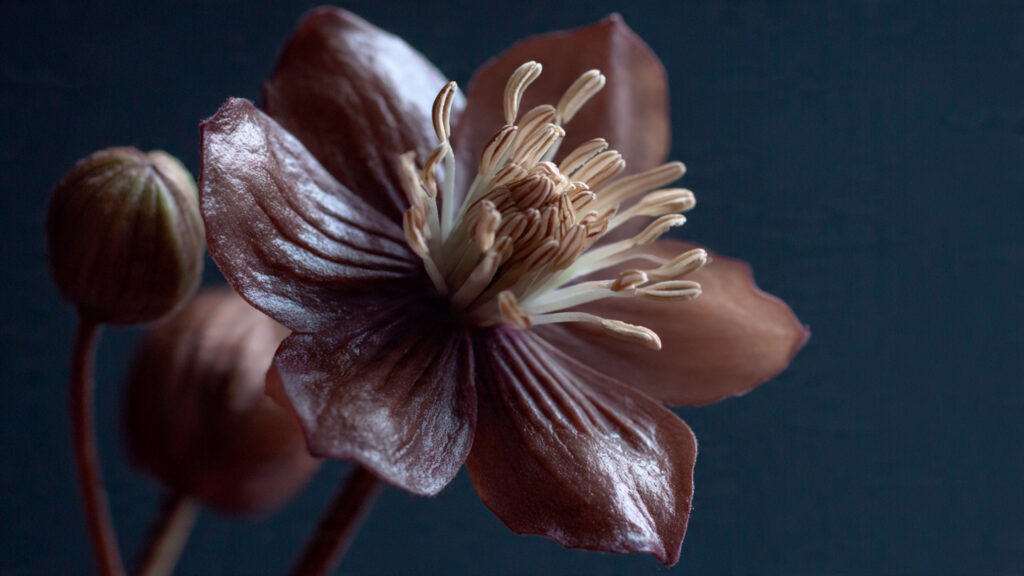
Imagine walking through a garden, enveloped by the sweet, indulgent aroma of chocolate. You pause, your senses awakened, searching for the source, only to discover a flower releasing this delightful scent. It sounds almost magical—and in many ways, it is. Chocolate-scented flowers are not just a whimsical garden fantasy; they are botanical marvels that have fascinated gardeners, botanists, and chocolate lovers alike. But what is behind this mysterious aroma, and why do some flowers smell like chocolate? Let’s explore the captivating world of chocolate-scented blooms.
What Are Chocolate-Scented Flowers?
Chocolate-scented flowers are plants that naturally emit a fragrance reminiscent of cocoa. Interestingly, the scent doesn’t come from the actual cocoa bean, but from volatile organic compounds in the flower that mimic the familiar smell. These compounds are similar to the aromatic chemicals found in chocolate, which is why our brains associate the scent with the sweet treat.
One of the most famous chocolate-scented flowers is the Chocolate Cosmos (Cosmos atrosanguineus). Native to Mexico, this deep maroon bloom is rare in the wild and highly prized in gardens worldwide. Its velvety petals exude a rich, chocolatey fragrance, especially on warm, sunny days, making it a favorite among gardeners who enjoy sensory experiences beyond the visual beauty of flowers.
Other plants, like certain varieties of orchids, heliotropes, and even some begonias, can also produce subtle chocolate notes, adding depth and uniqueness to any garden.
The Science Behind the Chocolate Scent
The chocolate aroma in flowers comes from a combination of natural chemicals, primarily benzyl acetate, vanillin, and methyl cinnamate. These compounds are also present in chocolate or mimic its smell, which explains why humans instinctively link the scent to our favorite sweet treat.
- Benzyl acetate – Provides a sweet, slightly fruity fragrance, reminiscent of chocolate and jasmine.
- Vanillin – The main flavor compound in vanilla, also found in chocolate, gives that creamy, sweet undertone.
- Methyl cinnamate – Adds a spicy, warm note that enhances the chocolate illusion.
When these compounds combine, they create a unique aroma that tricks the senses, allowing you to “smell chocolate” even though the flower contains none. This fascinating chemical interplay is one of nature’s subtle ways of attracting pollinators. Many chocolate-scented flowers rely on insects like bees and butterflies, drawn in by the enticing aroma, to spread their pollen.
The Allure of Chocolate in Gardens
Why would a flower evolve to smell like chocolate? While humans may find it irresistible, the scent primarily serves ecological purposes. In the wild, chocolate-scented flowers attract specific pollinators that are essential for the plant’s reproduction. Bees, in particular, are drawn to sweet-smelling flowers. The chocolate fragrance mimics the appeal of nectar, encouraging these insects to visit, unknowingly helping the flower reproduce.
For gardeners, these flowers offer more than just reproductive benefits—they create an immersive sensory experience. Planting chocolate-scented flowers adds an element of surprise and delight. A stroll through a garden of these blooms can feel like stepping into a natural chocolate shop, awakening fond memories and indulging the senses without consuming a single calorie.
Popular Chocolate-Scented Flowers
If you want to cultivate this sweet-smelling magic at home, here are some of the most enchanting chocolate-scented flowers to consider:
- Chocolate Cosmos (Cosmos atrosanguineus)
- Deep maroon petals with a rich chocolate fragrance
- Thrives in full sun and well-drained soil
- Blooms from late spring to autumn, filling the air with its scent
- Chocolate Heliotrope (Heliotropium arborescens)
- Small purple flowers with a dark chocolate-like scent
- Perfect for containers or borders
- Attracts pollinators like butterflies and bees
- Chocolate Orchid (Oncidium Sharry Baby)
- Miniature orchid with sweet chocolate fragrance
- Grows well in humid, warm environments
- Blooms multiple times a year with proper care
- Chocolate Begonia (Begonia ‘Chocolate Glow’)
- Dark foliage with subtle chocolate scent
- Ideal for shade gardens or indoor pots
- Provides year-round visual appeal and aroma
Each of these flowers brings a unique charm and fragrance, transforming ordinary gardens into extraordinary sensory escapes.
Tips for Growing Chocolate-Scented Flowers
To enjoy the full aroma of chocolate-scented flowers, gardeners need to understand their specific requirements. Here are some tips for growing them successfully:
- Soil and Drainage: Most chocolate-scented flowers prefer well-draining soil rich in organic matter. Overly wet soil can lead to root rot, especially for the Chocolate Cosmos.
- Sunlight: Full sun is essential for maximum fragrance in species like Chocolate Cosmos and Chocolate Heliotrope. Orchids may prefer filtered sunlight or indoor conditions with bright, indirect light.
- Watering: Keep the soil moderately moist, but avoid waterlogging. Consistent watering encourages healthy blooms.
- Temperature: Many chocolate-scented flowers thrive in warm temperatures but may need protection from frost. Consider growing them in containers that can be moved indoors during colder months.
- Fertilization: A balanced, slow-release fertilizer encourages abundant blooms and enhances the fragrance. Avoid excessive nitrogen, which can promote leaf growth at the expense of flowers.
Chocolate Flowers in Home Decor and Gifts
Beyond gardens, chocolate-scented flowers have become popular in floral arrangements and gifts. Their unique aroma adds a sensory layer to bouquets, making them perfect for special occasions like birthdays, anniversaries, or Valentine’s Day. Gifting a chocolate-scented flower is a thoughtful way to combine beauty with the irresistible scent of chocolate—a truly unforgettable gesture.
Some florists even use these blooms to craft themed arrangements, pairing them with real chocolate treats to delight both the eyes and the nose. Their unusual fragrance also makes them conversation starters, often leaving guests curious about the magical source of the chocolate aroma.
The Mystery and Magic of Chocolate Flowers
Chocolate-scented flowers remind us of the endless creativity of nature. Their alluring fragrance is both a biological strategy and a source of human delight. While science explains the compounds behind their chocolate-like scent, the emotional response they evoke—nostalgia, joy, and curiosity—remains mysterious.
Walking through a garden filled with chocolate-scented flowers can feel like a sensory journey. It combines visual beauty, natural fragrance, and the simple pleasure of being surrounded by something rare and enchanting. These flowers encourage us to slow down, breathe deeply, and savor the little wonders that nature offers.
➡️ How to Grow Malabar Spinach from Cuttings for Fast, Easy Greens
➡️ How to Grow Super Delicious Cabbage at Home Without a Garden
➡️ How to Grow Bean Sprouts at Home in Plastic Bottles Easily (Step‑by‑Step Guide)
➡️ Why is Your Lemon Tree Blooming in the Heart of Winter?
➡️ Why Should Your Garden Have a Dedicated Pollinator Highway?
➡️ Why Do Your Fruit Trees Need a Winter Wash to Thrive in Spring?
➡️ How Can Rice Water Transform Your Fruits into Sweeter Delights?
➡️ Jumpstart Your Winter Garden: Seed Starting Under Lights
Conclusion
The mystery behind chocolate-scented flowers lies in both science and wonder. Chemically, they replicate the familiar aroma of chocolate, attracting pollinators and delighting gardeners. Emotionally, they evoke curiosity, joy, and indulgence without a single calorie. Whether you’re a passionate gardener, a chocolate lover, or simply someone who enjoys sensory surprises, cultivating or encountering chocolate-scented flowers is a magical experience.
So, the next time you wander through a garden and catch a whiff of chocolate in the air, pause and savor the moment. You’re not imagining it—it’s real. Nature, in all its creativity, has crafted a flower that lets you smell chocolate, proving that sometimes, the most delightful mysteries are growing quietly right beneath our noses.