Harvest season is one of the most rewarding times for gardeners, farmers, and homesteaders. After months of planting, watering, and nurturing crops, you finally get to enjoy baskets overflowing with tomatoes, herbs, apples, peppers, and more.
But there’s one challenge that comes with abundance: how do you preserve all that fresh food before it spoils?
Canning, freezing, and fermenting are popular methods, but one of the most sustainable and cost-effective solutions is often overlooked: solar dehydration.
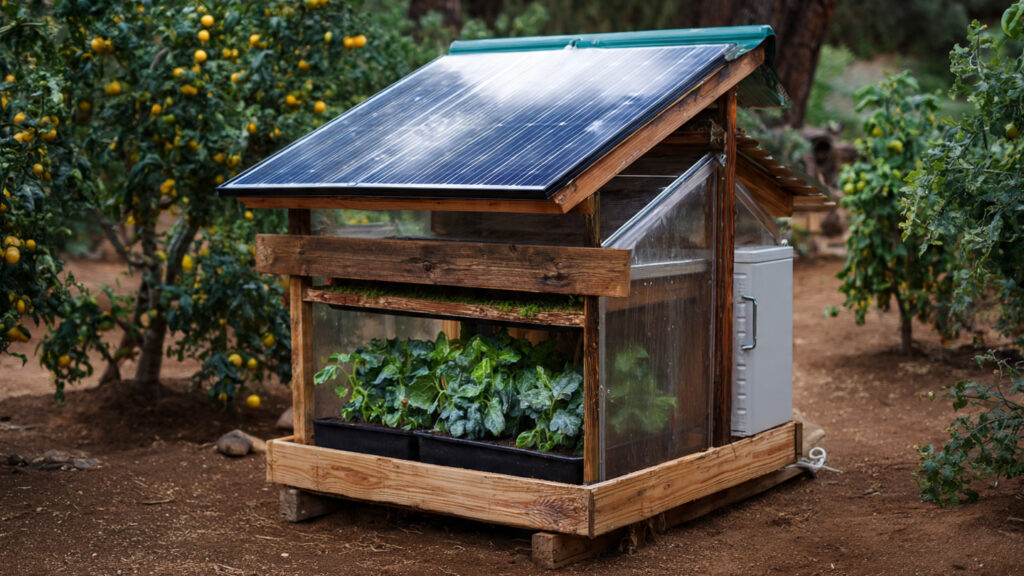
A solar dehydrator uses the power of the sun to remove moisture from fruits, vegetables, herbs, and even meats—extending their shelf life while maintaining flavor and nutrition. In this article, we’ll explore how solar dehydrators work, why they’re so useful, and how they can help you preserve your harvest naturally.
Why Food Preservation Matters After Harvest
Fresh produce is highly perishable. Once picked, fruits and vegetables begin losing moisture, nutrients, and freshness almost immediately. Without preservation, much of your harvest can go to waste.
Preserving your food means:
- Less waste from spoiled produce
- More homegrown food available year-round
- Reduced grocery bills
- Better food security
- Enjoying seasonal flavors even in winter
A solar dehydrator offers a simple way to turn fresh abundance into long-lasting pantry staples.
What Is a Solar Dehydrator?
A solar dehydrator is a device that uses sunlight and airflow to dry food. By removing water content, it prevents mold, bacteria, and spoilage organisms from growing.
Unlike electric dehydrators, solar models rely on:
- Sun heat
- Natural air circulation
- Simple construction
- Renewable energy
Solar dehydration has been used for centuries, but modern solar dehydrators make the process cleaner, faster, and safer than simply laying food out in the open sun.
How Solar Dehydration Works
To understand why solar dehydrators are so effective, it helps to know the basics of dehydration.
The Key Principle: Moisture Removal
Microorganisms need water to grow. When moisture is removed, food becomes shelf-stable.
Solar dehydrators work through three main processes:
- Solar Heating
Sunlight warms the air inside the dehydrator. - Airflow Circulation
Warm air moves across the food, absorbing moisture. - Ventilation
Moist air escapes through vents or chimneys, keeping the drying process continuous.
This combination creates a controlled drying environment that preserves food safely and efficiently.
Benefits of Using a Solar Dehydrator
Solar dehydrators offer several advantages, especially for gardeners and sustainable households.
➡️ How to Grow Malabar Spinach from Cuttings for Fast, Easy Greens
➡️ How to Grow Super Delicious Cabbage at Home Without a Garden
➡️ How to Grow Bean Sprouts at Home in Plastic Bottles Easily (Step‑by‑Step Guide)
➡️ Why is Your Lemon Tree Blooming in the Heart of Winter?
➡️ Why Should Your Garden Have a Dedicated Pollinator Highway?
➡️ Why Do Your Fruit Trees Need a Winter Wash to Thrive in Spring?
➡️ How Can Rice Water Transform Your Fruits into Sweeter Delights?
➡️ Jumpstart Your Winter Garden: Seed Starting Under Lights
1. Preserves Large Amounts of Food
When your garden produces more than you can eat fresh, dehydration is an excellent way to handle the surplus.
A single solar dehydrator can dry:
- Tomatoes
- Apples
- Peppers
- Zucchini
- Herbs
- Mushrooms
- Berries
Instead of watching produce spoil, you can preserve it for months.
2. Uses Free and Renewable Energy
One of the biggest advantages is cost savings.
Electric dehydrators require continuous power, but solar dehydrators run entirely on sunlight. That means:
- No electricity bills
- No fuel costs
- Perfect for off-grid living
Solar dehydration is one of the most eco-friendly preservation methods available.
3. Maintains Nutrients and Flavor
Dehydrated foods retain much of their nutritional value, especially when dried at moderate temperatures.
Compared to boiling or canning, dehydration:
- Preserves vitamins and minerals
- Concentrates natural flavors
- Keeps herbs aromatic and potent
Dried strawberries taste sweeter, herbs become more fragrant, and tomatoes develop rich, intense flavor.
4. Saves Storage Space
Dehydrated food is lightweight and compact.
For example:
- 10 pounds of fresh apples can become 1 pound of dried slices
- Large bundles of herbs can fit into small jars
This makes it easier to store your harvest without needing large freezers or shelves.
5. Reduces Food Waste
Food waste is a major issue worldwide, even in home gardens. Solar dehydration helps ensure that your hard-earned harvest doesn’t go to waste.
Instead of composting extra produce, you can preserve it for soups, snacks, and meals later.
What Foods Can You Dehydrate?
Solar dehydrators are versatile. Here are some of the best foods for beginners:
Fruits
- Apples
- Bananas
- Mangoes
- Pineapple
- Grapes (raisins)
Vegetables
- Tomatoes
- Peppers
- Carrots
- Green beans
- Onions
Herbs
- Basil
- Mint
- Oregano
- Rosemary
Extras
- Chili peppers for spice powders
- Mushrooms for soups
- Jerky (with proper safety precautions)
The possibilities are endless, especially when your garden is productive.
How to Use a Solar Dehydrator Successfully
Using a solar dehydrator is simple, but a few best practices make a big difference.
Step 1: Harvest at Peak Freshness
The best dried foods start with the best fresh produce. Pick fruits and vegetables when they are ripe, flavorful, and free from damage.
Step 2: Wash and Slice Evenly
Uniform slices dry faster and more evenly.
- Thin slices = quicker drying
- Thick slices = longer drying time
Use a sharp knife or mandoline for consistency.
Step 3: Pre-Treat When Necessary
Some foods benefit from pre-treatment:
- Apples and pears: soak in lemon water to prevent browning
- Blanch vegetables: improves texture and storage life
- Berries: poke skins slightly for better drying
Step 4: Arrange Properly
Spread food in a single layer with space between pieces. Overlapping slows drying and increases spoilage risk.
Step 5: Monitor Drying Progress
Drying time depends on:
- Sun intensity
- Humidity
- Food thickness
Most foods take 1–3 sunny days.
Food is ready when it feels:
- Dry and leathery (fruits)
- Crisp and brittle (vegetables and herbs)
Step 6: Store Correctly
Once dried, store food in airtight containers:
- Glass jars
- Vacuum-sealed bags
- Food-grade buckets
Keep them in a cool, dark place for maximum shelf life.
Properly dried and stored foods can last 6–12 months or longer.
Types of Solar Dehydrators
Solar dehydrators come in different designs:
Direct Solar Dryers
Food is exposed to sunlight directly. Simple but less controlled.
Indirect Solar Dryers
Sun heats air separately, which then dries the food. Better flavor and nutrient retention.
Cabinet or Box Dryers
Enclosed units with trays, airflow vents, and protection from insects.
For serious harvest preservation, indirect cabinet-style dehydrators are often the best choice.
Why Solar Dehydration Is Perfect for Gardeners
Gardeners often face sudden harvest surges:
- Too many tomatoes at once
- Herbs growing faster than you can use
- Fruit trees producing buckets of fruit
A solar dehydrator allows you to preserve food immediately without needing expensive equipment.
You can enjoy:
- Sun-dried tomatoes in winter pasta
- Homemade herb mixes
- Dried fruit snacks for kids
- Vegetable chips and soup ingredients
It turns seasonal abundance into year-round nourishment.
Final Thoughts
A solar dehydrator is one of the smartest tools a gardener or homesteader can own. It provides a natural, sustainable, and affordable way to preserve your harvest using nothing but sunshine and airflow.
By dehydrating fruits, vegetables, and herbs, you can reduce food waste, save money, and build a pantry full of homegrown goodness that lasts through every season.
Whether you live off-grid, want to cut energy costs, or simply love the idea of preserving food naturally, solar dehydration is a method worth exploring.
With a solar dehydrator, the warmth of the sun becomes more than light—it becomes a powerful way to protect and enjoy the fruits of your harvest all year long.