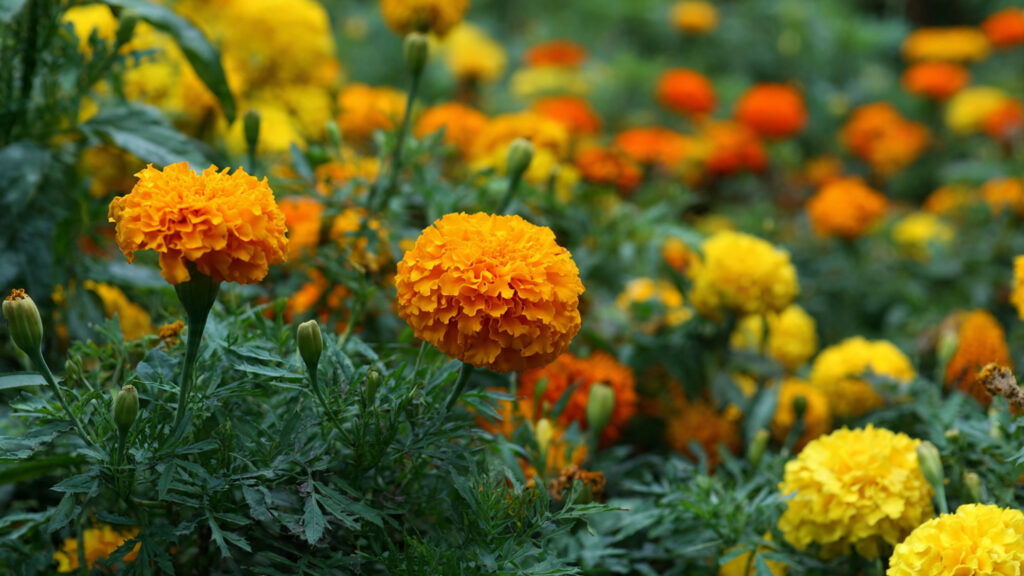
When it comes to brightening up your garden, few flowers can match the cheerful, sun-kissed vibrancy of marigolds. These hardy, low-maintenance blooms have been treasured by gardeners for centuries, and for good reason. From their dazzling colors to their natural pest-repelling properties, marigolds are more than just a pretty face in the flower bed—they’re a practical, versatile, and essential addition to any garden.
A Burst of Color That Lasts All Season
One of the most compelling reasons to plant marigolds is their unmatched ability to add color to your garden. Marigolds come in shades of yellow, orange, gold, and even deep red, creating a warm, inviting atmosphere wherever they are planted. Unlike some flowers that bloom briefly, marigolds offer a long-lasting display that can carry your garden through spring, summer, and even into the early fall months.
Whether you’re filling a border, planting in containers, or creating a vibrant centerpiece for your flower bed, marigolds can adapt to almost any garden design. Their bright petals naturally draw the eye, making them a focal point in both formal and informal garden layouts. Plus, their cheerful hues can complement other flowers beautifully, such as petunias, zinnias, and salvias, creating a lively tapestry of color that changes as the seasons progress.
Easy to Grow and Low Maintenance
For gardeners of all experience levels, marigolds are a dream come true. They thrive in full sun and well-drained soil, making them ideal for both seasoned gardeners and beginners. Unlike many delicate flowers that require constant care, marigolds are resilient and forgiving. Even if you’re not perfect with watering or soil amendments, these flowers can survive and continue to bloom.
Marigolds are also drought-tolerant, which means they can withstand occasional dry spells without losing their charm. This hardiness makes them perfect for busy gardeners who don’t have time for meticulous maintenance. Simply plant them, give them regular watering, and enjoy the abundant blooms throughout the season.
Natural Pest Control in Your Garden
Beyond their beauty, marigolds provide a powerful, natural solution to one of the biggest challenges in gardening: pests. These flowers produce a strong scent that repels a variety of harmful insects, including nematodes, aphids, and whiteflies. Companion planting with marigolds can protect vegetables, herbs, and other flowers, reducing the need for chemical pesticides.
For instance, gardeners often plant marigolds near tomatoes, peppers, and cucumbers to prevent infestations that can destroy crops. This natural form of pest control not only keeps your garden healthier but also encourages sustainable gardening practices. Your garden becomes a safe, chemical-free environment for pollinators like bees and butterflies, which are essential for a thriving ecosystem.
Versatility in the Garden
Marigolds are incredibly versatile, making them suitable for a wide range of garden styles and uses. Whether you prefer a formal garden layout, a casual cottage-style garden, or a modern urban balcony, marigolds fit seamlessly into any setting.
- Border plants: Use marigolds along pathways or garden edges to create a vibrant boundary that guides the eye.
- Container gardening: Marigolds thrive in pots and planters, making them perfect for patios, balconies, and small spaces.
- Mixed flower beds: Pair them with other annuals or perennials to add texture and color variety.
- Cut flowers: Their long-lasting blooms can also be cut for indoor arrangements, bringing sunshine inside your home.
Additionally, different varieties of marigolds—such as African, French, and Signet marigolds—offer unique shapes and sizes. African marigolds are bold and showy, French marigolds are compact and perfect for borders, and Signet marigolds have delicate, dainty blooms that add a touch of elegance.
Soil Health and Garden Benefits
Marigolds are not only friendly to your eyes—they’re also friendly to your soil. Certain marigold species help suppress root-knot nematodes, which are microscopic worms that damage plant roots. By planting marigolds in problem areas, you can naturally improve soil health without resorting to harsh chemicals.
Their roots also add organic matter to the soil as they decompose, enriching the garden for future plantings. This makes marigolds a fantastic choice for gardeners practicing crop rotation or permaculture techniques. Essentially, planting marigolds is an investment in the long-term health and productivity of your garden.
Easy Propagation for Expanding Your Garden
If you fall in love with marigolds—and most gardeners do—the good news is that they’re incredibly easy to propagate. These flowers grow readily from seeds, and their seeds can be collected from spent blooms for planting the following season. Some varieties even self-seed, ensuring a continuous display of flowers year after year.
Starting marigolds from seed indoors in early spring allows you to get a head start on the growing season. Once seedlings are established, transplant them outdoors after the last frost. This simple propagation process ensures that you’ll have an endless supply of marigolds to plant wherever you need color and pest control.
Attracting Beneficial Insects
While marigolds repel harmful insects, they also attract beneficial ones. Pollinators such as bees, butterflies, and ladybugs are drawn to the bright, nectar-rich blooms. These helpful insects contribute to a healthy garden ecosystem by pollinating flowers and keeping pest populations in check.
By planting marigolds, you create a balanced environment where both beauty and biodiversity thrive. This dual role—repelling pests while attracting pollinators—is a rare quality in a single flower, making marigolds a powerhouse in the garden.
➡️ How to Grow Malabar Spinach from Cuttings for Fast, Easy Greens
➡️ How to Grow Super Delicious Cabbage at Home Without a Garden
➡️ How to Grow Bean Sprouts at Home in Plastic Bottles Easily (Step‑by‑Step Guide)
➡️ Why is Your Lemon Tree Blooming in the Heart of Winter?
➡️ Why Should Your Garden Have a Dedicated Pollinator Highway?
➡️ Why Do Your Fruit Trees Need a Winter Wash to Thrive in Spring?
➡️ How Can Rice Water Transform Your Fruits into Sweeter Delights?
➡️ Jumpstart Your Winter Garden: Seed Starting Under Lights
Cultural and Symbolic Significance
Marigolds aren’t just practical—they also carry rich cultural significance. In many parts of the world, marigolds are celebrated in festivals and used for ceremonial decorations. Their vibrant color is often associated with positivity, creativity, and warmth. Planting marigolds in your garden can therefore elevate not only the aesthetic appeal but also the emotional and cultural richness of your outdoor space.
Final Thoughts: Why Every Garden Needs Marigolds
From their striking colors to their low-maintenance nature and natural pest control, marigolds truly earn their place in every flower bed. They are more than just decorative plants—they are functional, resilient, and beneficial to the broader garden ecosystem.
Whether you are a beginner gardener seeking easy-to-grow blooms or an experienced gardener looking for natural ways to enhance your garden’s health, marigolds offer unmatched advantages. Plant them along borders, in containers, or in mixed beds, and watch your garden transform into a vibrant, lively haven.
In short, marigolds are not just flowers—they are a gardener’s best friend. Their ability to combine beauty, practicality, and environmental benefits makes them indispensable. So the next time you plan your flower bed, don’t forget to include these radiant blooms. Your garden—and your peace of mind—will thank you.