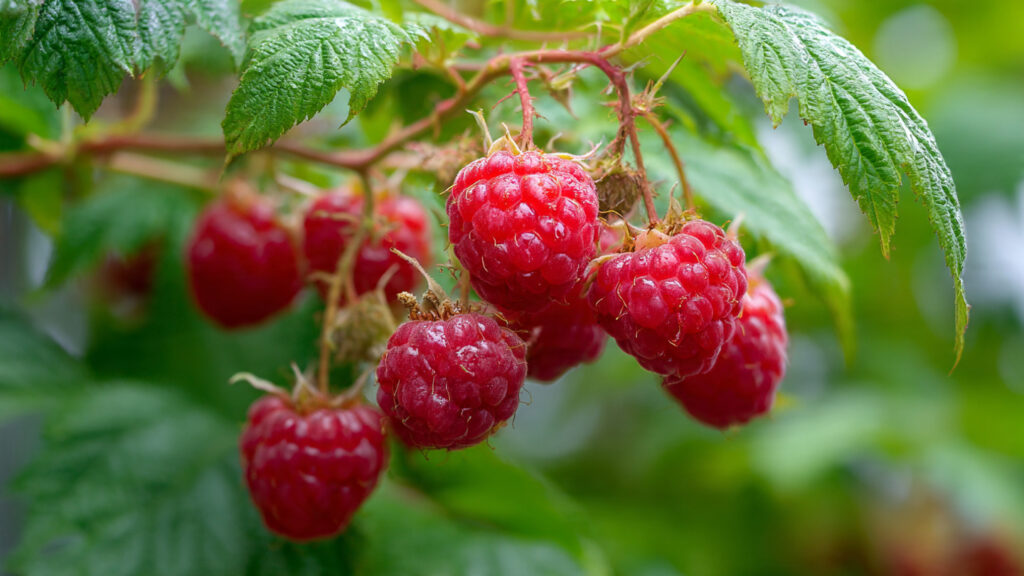
Few garden fruits are as rewarding as raspberries. Their sweet-tart flavor, vibrant color, and ability to produce year after year make them a favorite for home gardeners. But if you want the biggest and most consistent harvests possible, pruning is the key.
Many gardeners are surprised to learn that with the right pruning method, you can encourage two large raspberry harvests in a single growing season. It all depends on understanding what type of raspberry you’re growing and pruning at the correct time.
In this guide, you’ll learn exactly how to prune raspberries for maximum production, healthier plants, and two delicious harvests each year.
Why Pruning Raspberries Matters
Raspberries grow differently from many other fruits. Their canes follow a two-year cycle:
- First-year canes (primocanes) grow tall and leafy.
- Second-year canes (floricanes) produce fruit, then die.
Without pruning, raspberry patches can quickly become tangled, overcrowded, and less productive. Proper pruning helps:
- Increase fruit size and yield
- Improve airflow and reduce disease
- Make harvesting easier
- Encourage new cane growth
- Support multiple harvest cycles
Pruning is truly the secret to a thriving raspberry patch.
Step One: Know Your Raspberry Type
Before you prune, you must know what kind of raspberries you have. There are two main categories:
1. Summer-Bearing Raspberries
These produce one big crop in early to mid-summer on second-year canes.
2. Everbearing (Fall-Bearing) Raspberries
These can produce fruit:
- In late summer/fall on first-year canes
- Again the next summer on the same canes
These are the varieties that can give you two harvests per year with the right pruning approach.
Popular everbearing varieties include:
- Heritage
- Autumn Bliss
- Caroline
- Joan J
If you want two big harvests, fall-bearing raspberries are your best choice.
Understanding the Two-Harvest Method
Fall-bearing raspberries have a unique ability:
- The top portion of a primocane fruits in the fall.
- The lower portion survives winter.
- That same cane fruits again the next summer as a floricane.
By pruning correctly, you can enjoy:
- A summer crop
- A fall crop
This double harvest makes everbearing raspberries incredibly productive.
➡️ How to Grow Malabar Spinach from Cuttings for Fast, Easy Greens
➡️ How to Grow Super Delicious Cabbage at Home Without a Garden
➡️ How to Grow Bean Sprouts at Home in Plastic Bottles Easily (Step‑by‑Step Guide)
➡️ Why is Your Lemon Tree Blooming in the Heart of Winter?
➡️ Why Should Your Garden Have a Dedicated Pollinator Highway?
➡️ Why Do Your Fruit Trees Need a Winter Wash to Thrive in Spring?
➡️ How Can Rice Water Transform Your Fruits into Sweeter Delights?
➡️ Jumpstart Your Winter Garden: Seed Starting Under Lights
When to Prune Raspberries for Two Harvests
Timing is everything. To get two big crops, pruning must happen at specific times of the year.
Late Winter or Early Spring (Main Pruning)
This is when plants are dormant, and it’s easiest to see which canes are alive.
After Summer Harvest
You’ll remove spent floricanes once they finish fruiting.
After Fall Harvest
You’ll lightly trim the tops that produced fruit.
Step-by-Step: How to Prune for Two Big Harvests
Let’s break it down clearly.
Step 1: Spring Pruning (Dormant Season)
In late winter or early spring, do your main structural pruning.
What to Do:
Remove Dead Canes
Dead canes are:
- Brown, brittle, and dry
- Snapping easily when bent
Cut them all the way down to the ground.
Thin Out Weak Canes
Keep only the strongest canes.
A healthy raspberry row should have about:
- 4–6 strong canes per foot of row
- Or 6–8 canes per plant in a hill system
Overcrowding reduces yield.
Trim Cane Tips Slightly
If the canes are very tall (over 5–6 feet), trim them to a manageable height.
This encourages stronger branching and easier picking.
Step 2: Summer Pruning (After the First Harvest)
Your first harvest will come in early summer from the lower portion of second-year canes.
Once that summer crop is finished, those floricanes will die back.
What to Do:
Cut Fruited Floricanes to the Ground
These canes will not fruit again.
Look for canes that:
- Produced berries
- Have peeling grayish bark
- Look woodier than new green canes
Cut them at soil level immediately.
Why This Helps:
Removing old canes gives space and sunlight to primocanes that will produce the fall crop.
Step 3: Fall Harvest and Tip Pruning
In late summer and fall, the primocanes will fruit at their tops.
After harvesting, those cane tips will be spent.
What to Do:
Trim Off the Fruited Tops
Cut the top 6–12 inches (or wherever fruiting occurred).
Do not cut the entire cane down if you want a second harvest next summer.
Result:
The lower part of the cane will survive winter and fruit again next summer.
That’s how you get two crops.
Step 4: Repeat the Cycle Every Year
Once you establish this routine, your raspberry patch will fall into a productive rhythm:
- Summer harvest from overwintered canes
- Fall harvest from new primocanes
- Continuous renewal and strong yields
Extra Tips for Bigger Raspberry Harvests
Pruning is powerful, but combining it with good care will maximize results.
Provide Strong Support
Raspberry canes grow tall and heavy with fruit.
Use a trellis or wire system to keep canes upright.
This improves:
- Sun exposure
- Airflow
- Harvesting ease
Feed the Soil
Raspberries are heavy feeders.
Each spring, apply:
- Compost
- A balanced organic fertilizer
- Mulch for moisture retention
Healthy soil leads to larger berries and more fruit.
Water Consistently
Inconsistent watering causes:
- Small berries
- Poor fruit set
- Cane stress
Aim for about 1–2 inches of water per week, especially during fruiting.
Watch for Pests and Disease
Pruning improves airflow, but also keep an eye out for:
- Raspberry cane borers
- Aphids
- Powdery mildew
Remove infected canes quickly.
Common Pruning Mistakes to Avoid
Even experienced gardeners sometimes prune incorrectly.
Mistake 1: Cutting All Canes Down in Winter
This method produces only one fall harvest, not two.
To get two harvests, leave lower cane portions intact.
Mistake 2: Not Removing Old Floricanes
Dead canes invite pests and reduce productivity.
Mistake 3: Keeping Too Many Canes
Overcrowded plants produce smaller berries.
Thin for quality over quantity.
Mistake 4: Pruning at the Wrong Time
Late pruning during active growth can stress the plant.
Stick to dormant-season and post-harvest pruning.
Why Two Harvests Are Worth the Effort
Pruning raspberries for two crops gives you:
- A longer berry season
- Higher overall yield
- More consistent fruit supply
- Stronger plants year after year
Instead of one short harvest window, you can enjoy raspberries from early summer into fall.
That’s a huge win for home gardeners.
Conclusion: Prune Smart for Double the Berries
Learning how to prune raspberries for two big harvests is one of the most valuable skills you can develop as a fruit gardener.
By:
- Identifying everbearing varieties
- Removing spent floricanes after summer fruiting
- Trimming only the fruited tops after fall harvest
- Thinning and cleaning canes each spring
…you can create a productive raspberry patch that rewards you twice each season.
With the right pruning strategy, your garden won’t just grow raspberries—it will overflow with them.