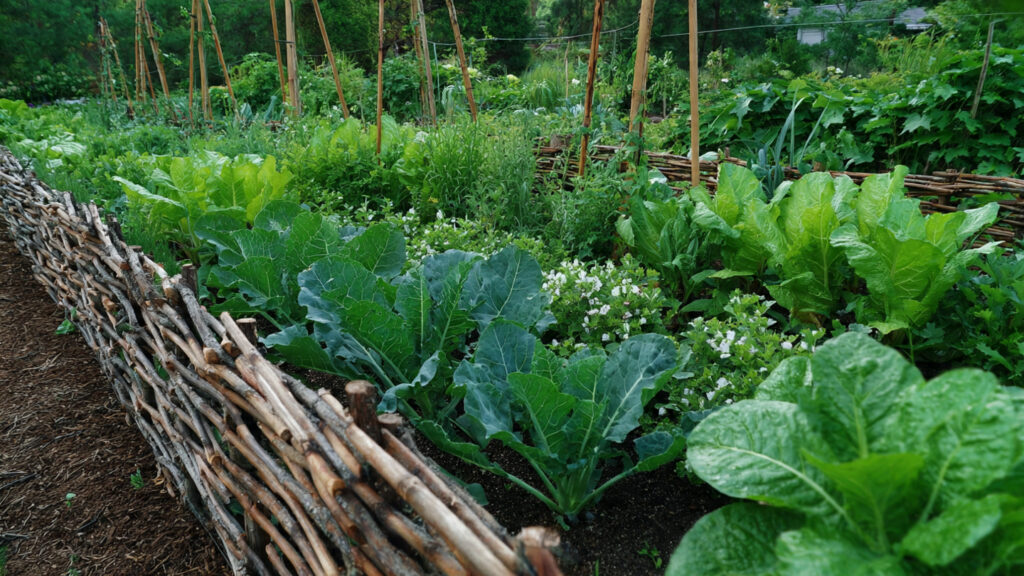
When gardeners think about what makes vegetables thrive, they usually focus on sunlight, soil quality, watering, and fertilizers. But one powerful factor is often overlooked: wind.
Strong winds can quietly damage plants, reduce harvests, dry out soil, and even stunt growth. That’s why experienced horticulturists often recommend using a windbreak—a simple yet highly effective gardening tool that can dramatically improve vegetable garden performance.
Whether you garden in an open backyard, a rooftop space, or a windy rural area, adding a windbreak can make the difference between struggling crops and a lush, productive harvest.
Let’s explore exactly how windbreaks work and why they are so beneficial for vegetable gardens.
What Is a Windbreak?
A windbreak is any structure or planting that reduces wind speed before it reaches your garden. It can be:
- A hedge or row of shrubs
- A fence or wooden barrier
- Tall grasses or bamboo
- Trellises covered with vines
- Temporary fabric screens
- Natural tree lines
The goal is not to completely block wind, but to slow it down, creating a calmer and more stable growing environment for your vegetables.
Why Wind Can Be Harmful to Vegetables
While a gentle breeze helps with airflow and pollination, excessive wind can cause serious problems such as:
- Broken stems
- Leaf tearing
- Soil drying
- Poor pollination
- Reduced fruit production
- Increased plant stress
Vegetables, especially young seedlings, are particularly vulnerable because they have soft stems and shallow roots.
A well-placed windbreak protects your plants from these stressors and helps them grow stronger and healthier.
1. Windbreaks Prevent Physical Damage to Plants
One of the most obvious benefits of wind protection is reducing direct plant injury.
Strong winds can:
- Snap tomato branches
- Bend pepper stems
- Flatten lettuce or spinach
- Break climbing vines
- Knock over tall crops like corn
Even if plants don’t break completely, constant bending weakens their structure over time.
A windbreak creates a buffer zone where vegetables can grow upright and stable without constant mechanical stress.
2. Windbreaks Reduce Moisture Loss in Soil
Wind is one of the fastest ways to dry out your garden soil.
When wind blows across exposed soil, it increases evaporation, meaning your garden loses water much faster—even if temperatures are moderate.
➡️ How to Grow Malabar Spinach from Cuttings for Fast, Easy Greens
➡️ How to Grow Super Delicious Cabbage at Home Without a Garden
➡️ How to Grow Bean Sprouts at Home in Plastic Bottles Easily (Step‑by‑Step Guide)
➡️ Why is Your Lemon Tree Blooming in the Heart of Winter?
➡️ Why Should Your Garden Have a Dedicated Pollinator Highway?
➡️ Why Do Your Fruit Trees Need a Winter Wash to Thrive in Spring?
➡️ How Can Rice Water Transform Your Fruits into Sweeter Delights?
➡️ Jumpstart Your Winter Garden: Seed Starting Under Lights
This is especially problematic for:
- Raised beds
- Container gardens
- Sandy soils
- Newly planted seedlings
By slowing the wind, windbreaks help soil retain moisture longer, reducing the need for frequent watering and improving root health.
3. Wind Protection Helps Seedlings Establish Faster
Young vegetable seedlings are fragile. Their root systems are still developing, and their leaves lose water quickly.
Wind can cause:
- Wilting
- Slow growth
- Transplant shock
- Poor root establishment
A sheltered environment allows seedlings to focus energy on growing roots and leaves instead of constantly fighting stress.
Gardeners often notice that vegetables planted near a windbreak grow faster and appear healthier early in the season.
4. Windbreaks Improve Pollination and Flower Retention
Many vegetables rely on successful flowering and pollination to produce fruit.
Strong wind can interfere by:
- Shaking flowers loose
- Reducing insect activity
- Preventing pollen transfer
- Causing blossom drop
Crops like tomatoes, beans, cucumbers, and squash benefit greatly from calmer air.
A windbreak encourages pollinators like bees to visit more frequently and helps flowers remain attached long enough to form fruit.
5. Windbreaks Create a Warmer Microclimate
Wind lowers temperatures around plants by stripping away warm air near the surface.
This cooling effect can slow growth, especially in spring.
Windbreaks help create a slightly warmer microclimate, which is beneficial for heat-loving vegetables such as:
- Tomatoes
- Eggplants
- Peppers
- Melons
- Basil
Even a small temperature increase of 2–4°F can improve plant development and boost yields.
6. Windbreaks Protect Against Storm Stress
Heavy winds during storms can cause sudden devastation in vegetable gardens.
Windbreaks help reduce:
- Storm-related lodging (plants falling over)
- Leaf shredding
- Soil erosion
- Fruit bruising
This protection is especially valuable for gardens in open landscapes where storms hit hard.
A sturdy windbreak acts like insurance for your growing season.
7. Windbreaks Reduce Soil Erosion and Nutrient Loss
Bare garden soil exposed to strong winds can erode quickly.
Wind erosion removes:
- Topsoil
- Organic matter
- Compost
- Nutrients needed for plant growth
Over time, this weakens soil fertility and makes gardening more difficult.
Windbreaks stabilize the soil surface and prevent valuable nutrients from blowing away, keeping your garden healthier long-term.
8. Windbreaks Support Better Plant Growth and Higher Yields
When vegetables are protected from constant wind stress, they can focus energy on productive growth.
Benefits include:
- Larger leaves for photosynthesis
- Stronger stems
- Better flowering
- Improved fruit size
- More consistent harvests
Studies in agricultural systems show that sheltered crops often yield significantly more than those exposed to open wind.
For home gardeners, this means more tomatoes, bigger cucumbers, and healthier leafy greens.
Best Windbreak Options for Vegetable Gardens
Windbreaks can be permanent or temporary depending on your needs.
Natural Windbreaks
- Sunflowers
- Corn rows
- Bamboo
- Shrubs like rosemary or hibiscus
- Evergreen hedges
Natural windbreaks are beautiful and eco-friendly but may take time to establish.
Structural Windbreaks
- Wooden fences
- Reed screens
- Shade cloth barriers
- Garden walls
- Trellis panels
These provide immediate protection and are ideal for windy urban areas.
How to Place a Windbreak Correctly
To work effectively, windbreaks must be positioned strategically.
Key Placement Tips:
- Place windbreaks on the side where wind usually comes from
- Keep barriers semi-permeable (not solid walls) to prevent turbulence
- Windbreak height determines protection distance
- A windbreak protects an area about 5–10 times its height
- Avoid blocking sunlight from your vegetables
A well-designed windbreak should slow wind gently, not create harsh wind tunnels.
Common Gardening Mistakes with Windbreaks
Some gardeners unintentionally reduce effectiveness by:
- Using solid barriers that cause swirling winds
- Placing windbreaks too close to plants
- Blocking too much sunlight
- Choosing weak materials that collapse in storms
The best windbreaks balance airflow, protection, and sunlight access.
Conclusion: Windbreaks Are a Secret Tool for Garden Success
A windbreak may not be the first thing you think about when planning a vegetable garden, but it can have an enormous impact.
By reducing wind stress, windbreaks:
- Protect plants from damage
- Improve soil moisture retention
- Encourage faster seedling growth
- Support pollination and fruiting
- Prevent erosion
- Create a warmer growing environment
- Boost yields and garden productivity
Whether you build a simple screen or plant a living hedge, adding wind protection is one of the smartest steps you can take for a thriving vegetable garden.
A small change in wind exposure can lead to a big improvement in harvests—making windbreaks a true gardening secret weapon.