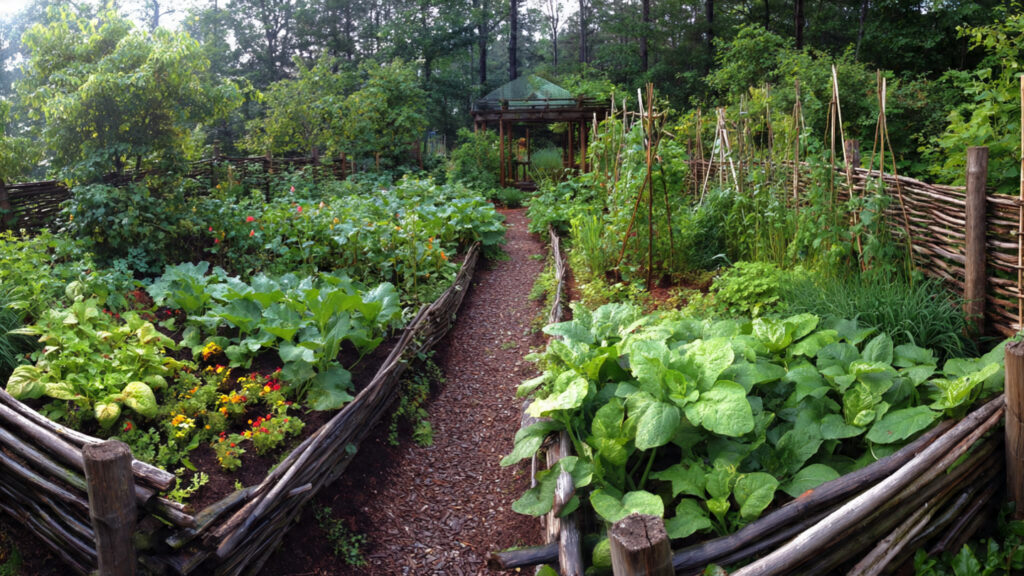
If you’ve ever watched your vegetable plants bend, struggle, or dry out after a windy day, you already know one truth: wind can be one of the most damaging forces in a garden. While sunlight, water, and soil are often the main focus of vegetable gardening, wind protection is just as important — and often overlooked.
This is where a windbreak becomes a game-changing solution.
A properly designed windbreak can dramatically improve plant health, increase harvest size, reduce water loss, and create the perfect microclimate for vegetables to thrive. Whether you grow tomatoes, lettuce, peppers, beans, or squash, windbreaks can completely transform your garden’s productivity.
Let’s explore how windbreaks work, why they matter, and how you can use them to create optimal growing conditions.
Understanding the Problem: Why Wind Harms Vegetable Gardens
Wind may seem harmless, but constant exposure can stress plants in multiple ways.
Wind damage includes:
- Broken stems and snapped branches
- Dry, curled leaves
- Poor pollination
- Reduced flowering and fruiting
- Soil erosion
- Increased evaporation
- Temperature fluctuations
Vegetables are especially vulnerable because many have soft stems, shallow roots, or large leaves that catch wind like sails.
Without protection, your plants spend more energy surviving instead of producing food.
What Is a Windbreak?
A windbreak is any barrier that slows down or redirects wind before it reaches your crops.
Windbreaks can be:
- Natural (trees, shrubs, hedges)
- Structural (fences, trellises, screens)
- Temporary (shade cloth, netting, straw bales)
The goal is not to block wind completely, but to reduce wind speed to create a calmer, more stable environment.
A well-placed windbreak can reduce wind force for a distance up to 10 times its height, offering significant protection across the garden.
1. Windbreaks Prevent Physical Plant Damage
One of the most immediate benefits is protection from physical harm.
Vegetables like:
- Tomatoes
- Corn
- Cucumbers
- Pole beans
- Eggplants
can snap or bend under strong gusts. Even leafy greens such as spinach and kale can tear or wilt.
By reducing wind intensity, windbreaks help plants grow upright, stronger, and healthier — without constant stress or injury.
➡️ How to Grow Malabar Spinach from Cuttings for Fast, Easy Greens
➡️ How to Grow Super Delicious Cabbage at Home Without a Garden
➡️ How to Grow Bean Sprouts at Home in Plastic Bottles Easily (Step‑by‑Step Guide)
➡️ Why is Your Lemon Tree Blooming in the Heart of Winter?
➡️ Why Should Your Garden Have a Dedicated Pollinator Highway?
➡️ Why Do Your Fruit Trees Need a Winter Wash to Thrive in Spring?
➡️ How Can Rice Water Transform Your Fruits into Sweeter Delights?
➡️ Jumpstart Your Winter Garden: Seed Starting Under Lights
2. Windbreaks Create a Warmer Microclimate
Wind cools soil and plants quickly, especially in early spring or late fall.
A windbreak traps warmth by reducing air movement, creating a microclimate that is:
- Slightly warmer
- More stable
- Better for seed germination
This can extend your growing season and allow you to plant earlier or harvest later.
For gardeners in cooler climates, this can make a huge difference in productivity.
3. Windbreaks Improve Pollination and Fruit Production
Many vegetables depend on pollination to produce fruit.
Wind can interfere with pollination by:
- Blowing pollen away
- Preventing bees from flying
- Damaging delicate flowers
Crops like squash, cucumbers, peppers, and melons produce better yields when flowers are protected.
A windbreak creates a calmer space where pollinators can work efficiently, resulting in:
- More blossoms
- Better fruit set
- Larger harvests
4. Windbreaks Reduce Water Loss and Improve Moisture Retention
Wind greatly increases evaporation.
Even if you water regularly, windy conditions dry out:
- Soil surface
- Leaves
- Root zones
This means your garden needs more frequent watering, and plants may still suffer drought stress.
With a windbreak, moisture stays in the soil longer, helping vegetables stay hydrated and reducing water waste.
This is especially helpful in hot or dry regions.
5. Windbreaks Protect Soil Structure and Prevent Erosion
Strong winds can remove valuable topsoil, especially in:
- Raised beds
- Sandy soils
- Newly planted areas
Soil erosion leads to nutrient loss and weaker plant growth.
Windbreaks help keep soil in place, protecting:
- Compost layers
- Mulch
- Seedlings
- Soil microbes
Healthy soil equals healthy vegetables.
6. Windbreaks Help Plants Grow Bigger and Faster
When plants are constantly exposed to wind, they divert energy into survival.
This causes:
- Slower growth
- Smaller leaves
- Reduced root development
- Lower yields
A sheltered garden allows plants to focus on what they do best: growing.
Vegetables in protected gardens often produce:
- Larger foliage
- More flowers
- Bigger fruits
- Higher overall yield
Windbreaks are one of the simplest ways to boost garden performance naturally.
Types of Windbreaks for Vegetable Gardens
You don’t need a massive farm to use windbreaks. Even small gardens benefit.
1. Living Windbreaks (Best Long-Term Option)
Plant hedges or shrubs such as:
- Bamboo (clumping varieties)
- Rosemary
- Lavender
- Privet
- Evergreen shrubs
These provide beauty, habitat for pollinators, and lasting protection.
2. Garden Fences and Screens
Wooden or lattice fences work well, especially if they allow some airflow.
Solid walls create turbulence, while semi-permeable barriers reduce wind gently.
3. Shade Cloth or Wind Netting
Perfect for temporary or seasonal protection.
Attach cloth to stakes or frames around sensitive crops.
4. Trellises with Climbing Plants
Grow beans, peas, or cucumbers on trellises to double as windbreaks.
This saves space and adds productivity.
5. Straw Bales or Garden Panels
Quick and easy for early-season seedlings or new beds.
How to Place a Windbreak Correctly
Placement matters as much as the windbreak itself.
Key tips:
- Position windbreaks on the side where strong winds come from
- Leave some airflow (about 40–50% permeability is ideal)
- Ensure windbreak height matches the area you want protected
- Avoid blocking sunlight for sun-loving crops
A windbreak should shelter, not shade.
Best Vegetables to Grow Behind Windbreaks
Windbreaks benefit almost every crop, but especially:
- Tomatoes and peppers
- Cucumbers and squash
- Beans and peas
- Lettuce and spinach
- Corn and tall plants
- Young seedlings
If you’ve struggled with wilting or poor yields, wind protection may be the missing link.
Extra Bonus Benefits of Windbreak Gardening
Windbreaks offer more than protection:
- Increase biodiversity by attracting birds and insects
- Reduce pest pressure by strengthening plants
- Add privacy and structure to the garden
- Enhance garden aesthetics
They turn your vegetable patch into a more balanced ecosystem.
Conclusion: A Simple Windbreak Can Make a Huge Difference
So, how can a windbreak transform your vegetable garden?
In nearly every way.
By reducing wind stress, stabilizing temperatures, conserving moisture, improving pollination, and protecting soil, windbreaks create the perfect environment for vegetables to grow healthier, stronger, and more productive.
Whether you use shrubs, fences, netting, or trellises, adding a windbreak is one of the smartest upgrades any gardener can make.
A calmer garden means happier plants — and a bigger harvest for you.