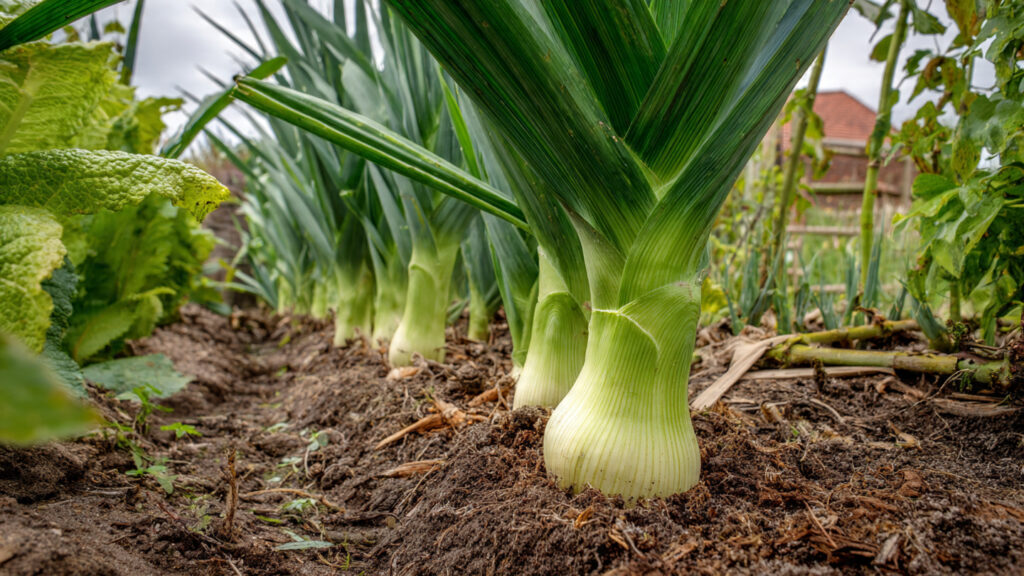
If you’ve ever seen those thick, impressive leeks at farmers’ markets and wondered, “How do they grow them so big?” — you’re not alone. Giant leeks are not only delicious and versatile in the kitchen, but they’re also surprisingly easy to grow at home with the right techniques.
Leeks are part of the onion family, but unlike onions, they don’t form bulbs. Instead, they develop long, tender white stems that become sweeter and richer as they grow. With a bit of patience and care, you can harvest massive, flavorful leeks right from your backyard or even in containers.
In this step-by-step guide, you’ll learn exactly how to grow giant leeks at home — from seed to harvest.
Why Grow Giant Leeks?
Leeks are a gardener’s favorite for several reasons:
- They’re cold-hardy and grow well into winter
- They take up little space per plant
- They have a mild, sweet flavor
- Giant leeks make soups, stews, and roasts taste amazing
- They’re a rewarding crop for beginners and experts alike
The best part? Giant leeks aren’t a special variety — they’re the result of proper growing techniques, especially blanching and spacing.
Step 1: Choose the Right Leek Variety
Not all leeks grow equally large. For giant stems, select varieties known for size and thickness.
Best Varieties for Giant Leeks:
- King Richard (fast-growing, thick stems)
- American Flag (classic large leek)
- Musselburgh (very hardy and bulky)
- Giant Winter Leek (perfect for big harvests)
If your goal is maximum size, start with a variety bred for thick stems rather than small baby leeks.
Step 2: Start Seeds Early Indoors
Leeks take a long time to mature — usually 120 to 180 days — so starting early is key.
When to Start:
- Start leek seeds indoors 8–10 weeks before your last frost date
How to Start:
- Fill seed trays or pots with seed-starting mix
- Sow seeds about ¼ inch deep
- Keep soil moist but not soggy
- Place trays in bright light or under grow lights
- Seeds germinate in about 10–14 days
Leek seedlings look like thin grass blades at first, but don’t worry — they grow steadily.
Step 3: Trim Seedlings for Stronger Growth
One secret many gardeners don’t know is that trimming leek seedlings encourages thicker stems.
What to Do:
- When seedlings reach about 6 inches tall, trim them back to 3–4 inches.
This helps the plant focus energy on root development and stem strength, leading to larger leeks later.
Step 4: Prepare the Soil for Giant Results
Leeks thrive in rich, loose soil. For giant stems, soil preparation is critical.
Ideal Soil Conditions:
- Deep, fertile soil
- Plenty of organic matter
- Well-draining but moisture-retentive
- pH between 6.0 and 7.0
Best Soil Amendments:
- Compost
- Aged manure
- Leaf mold
- Balanced organic fertilizer
Before planting, dig the soil at least 12 inches deep. Giant leeks need space for roots to expand.
Step 5: Transplant Leeks the Right Way
Once seedlings are pencil-thick (about 8–10 weeks old), they’re ready to go outside.
How to Transplant for Giant Leeks:
- Harden off seedlings for 7 days
- Dig holes or trenches 6 inches deep
- Space plants 6 inches apart
- Space rows about 12–18 inches apart
- Drop seedlings into holes without filling them completely
Here’s the trick:
Do not pack soil tightly around the stem.
➡️ How to Grow Malabar Spinach from Cuttings for Fast, Easy Greens
➡️ How to Grow Super Delicious Cabbage at Home Without a Garden
➡️ How to Grow Bean Sprouts at Home in Plastic Bottles Easily (Step‑by‑Step Guide)
➡️ Why is Your Lemon Tree Blooming in the Heart of Winter?
➡️ Why Should Your Garden Have a Dedicated Pollinator Highway?
➡️ Why Do Your Fruit Trees Need a Winter Wash to Thrive in Spring?
➡️ How Can Rice Water Transform Your Fruits into Sweeter Delights?
➡️ Jumpstart Your Winter Garden: Seed Starting Under Lights
Instead, water them in and let soil naturally settle. This method helps create longer white stems.
Step 6: Water Consistently (Leeks Love Moisture)
Leeks grow best when soil stays consistently damp.
Watering Rules:
- Provide about 1 inch of water per week
- Water deeply, not lightly
- Mulch around plants to retain moisture
If leeks dry out too often, they become thin and tough instead of thick and tender.
Step 7: Feed Regularly for Massive Growth
Giant leeks need plenty of nutrients throughout the season.
Best Fertilizing Schedule:
- Add compost at planting
- Feed every 3–4 weeks with:
- Fish emulsion
- Compost tea
- Balanced vegetable fertilizer
Leeks are heavy feeders, especially nitrogen lovers, which helps build leafy growth that supports thick stems.
Step 8: Blanching is the Key to Giant White Stems
Blanching is the #1 technique for growing giant leeks.
What is Blanching?
Blanching means blocking sunlight from reaching the lower stem. Without light, the stem stays white, tender, and expands longer.
How to Blanch Leeks:
Method 1: Hilling Soil
- Every few weeks, mound soil up around the base of the plant.
Method 2: Mulching
- Use straw, shredded leaves, or grass clippings to build height around stems.
Method 3: Cardboard or Tubes
- Place paper tubes or leek collars around the stem to extend the white portion.
The more you blanch, the longer and thicker the edible stem becomes.
Step 9: Keep Weeds Away
Leeks have shallow roots and don’t compete well with weeds.
Weed Control Tips:
- Mulch heavily
- Weed gently by hand
- Avoid disturbing roots
Weeds steal nutrients and water, reducing leek size significantly.
Step 10: Protect Leeks from Pests
Leeks are fairly hardy, but a few pests can cause trouble.
Common Leek Problems:
- Onion flies
- Thrips
- Leaf miners
Prevention:
- Use row covers early in the season
- Rotate crops yearly
- Remove damaged leaves quickly
Healthy plants grow bigger, so pest control matters for giant results.
Step 11: Harvest at the Right Time
Leeks can be harvested young, but for giant size, patience pays off.
When to Harvest:
- When stems reach 1.5–3 inches thick
- Usually late summer through winter
Leeks actually taste sweeter after light frost, making them perfect for cool-season harvesting.
How to Harvest:
- Loosen soil with a fork
- Pull gently from the base
- Trim roots and outer leaves
Bonus Tips for Truly Giant Leeks
If you want competition-level leeks, try these extras:
- Grow in trenches for deeper blanching
- Choose long-season varieties
- Feed with compost tea monthly
- Keep spacing wide for thick stems
- Harvest only when fully mature
Giant leeks are all about slow, steady growth with consistent care.
Conclusion
Growing giant leeks at home is easier than most gardeners expect. With the right variety, rich soil, steady watering, regular feeding, and proper blanching, you can harvest thick, tender leeks that rival anything from the grocery store.
The key is patience — leeks take time, but the reward is huge.
So grab some seeds, start early, mound that soil, and enjoy the satisfaction of pulling massive, homegrown leeks from your garden.