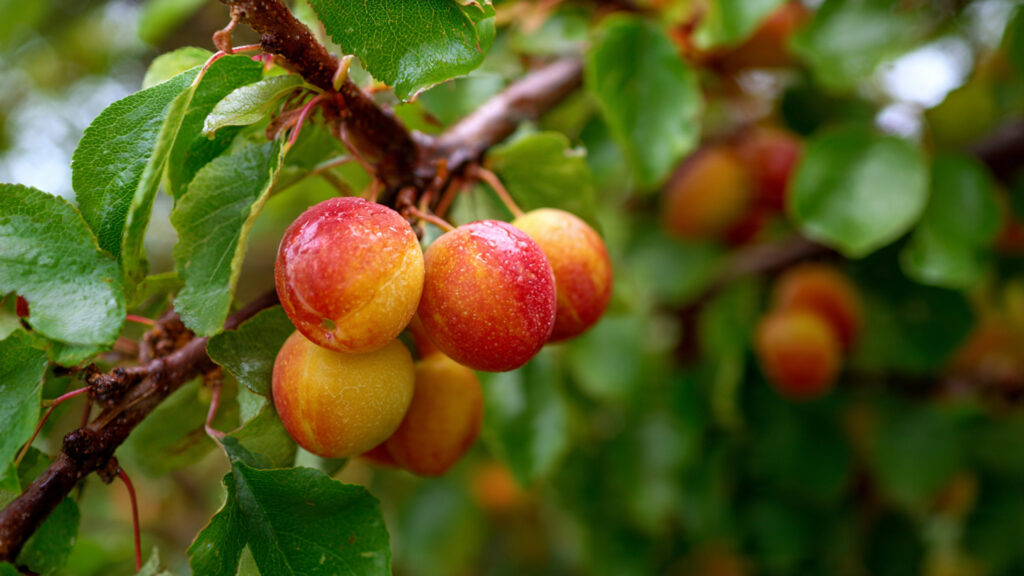
There’s nothing more disappointing for a gardener than watching tiny, promising fruits form on a tree—only to find them scattered on the ground weeks later. Whether you’re growing apples, mangoes, citrus, or peaches, early fruit drop is a common and frustrating problem.
If your fruit trees are shedding immature fruit, don’t panic. In many cases, it’s a natural process. In others, it’s a sign that your tree needs better care or protection from stress. Understanding the reasons behind early fruit drop is the first step toward healthier trees and heavier harvests.
Let’s explore why this happens—and what you can do about it.
1. Natural Fruit Drop: The Tree’s Self-Thinning Process
Many fruit trees naturally shed excess fruit early in the season. This process is often called “June drop” in temperate regions, especially with apple and pear trees.
Trees typically produce more flowers and fruit than they can support. If every fruit matured, the tree would exhaust itself, produce smaller fruits, or even damage its branches. By dropping some fruit early, the tree conserves energy and ensures better-quality produce later.
If the fruit dropping:
- Is small and newly formed
- Happens shortly after flowering
- Stops after a short period
Then it’s likely normal.
What to do:
Usually, nothing. In fact, hand-thinning crowded fruits can help the tree focus on producing larger, healthier fruits.
2. Poor Pollination
Successful fruit development depends on proper pollination. If flowers aren’t adequately pollinated, fruits may begin to form but fall off soon after.
Pollination problems can occur due to:
- Lack of bees or pollinators
- Rainy or windy weather during flowering
- Only one tree of a variety that requires cross-pollination
For example, apple and pear trees often need a compatible pollinator nearby.
What to do:
- Plant pollinator-friendly flowers to attract bees
- Avoid spraying insecticides during bloom
- Plant compatible varieties if cross-pollination is required
- In small gardens, consider hand pollination using a soft brush
3. Water Stress (Too Much or Too Little)
Water is one of the most common causes of early fruit drop. Both drought and overwatering can stress a tree.
Underwatering
When soil dries out, the tree cannot support fruit development. It sheds fruit to survive.
Overwatering
Waterlogged soil suffocates roots, limiting oxygen and nutrient uptake.
➡️ How to Grow Malabar Spinach from Cuttings for Fast, Easy Greens
➡️ How to Grow Super Delicious Cabbage at Home Without a Garden
➡️ How to Grow Bean Sprouts at Home in Plastic Bottles Easily (Step‑by‑Step Guide)
➡️ Why is Your Lemon Tree Blooming in the Heart of Winter?
➡️ Why Should Your Garden Have a Dedicated Pollinator Highway?
➡️ Why Do Your Fruit Trees Need a Winter Wash to Thrive in Spring?
➡️ How Can Rice Water Transform Your Fruits into Sweeter Delights?
➡️ Jumpstart Your Winter Garden: Seed Starting Under Lights
Signs of water stress:
- Wilting leaves
- Yellowing foliage
- Cracked soil or soggy ground
What to do:
- Water deeply but infrequently
- Ensure good drainage
- Mulch around the base (but not touching the trunk) to retain moisture
- Adjust watering frequency during hot spells
Consistent watering is key—especially during flowering and early fruit formation.
4. Nutrient Deficiencies
Fruit trees are heavy feeders. If the soil lacks essential nutrients, the tree may not have enough energy to support developing fruit.
Common deficiencies include:
- Nitrogen (leaf growth and vigor)
- Potassium (fruit development)
- Calcium (fruit strength and retention)
Poor soil fertility can lead to weak fruit stems and early drop.
What to do:
- Apply a balanced fertilizer in early spring
- Use compost or well-rotted manure annually
- Conduct a soil test to identify deficiencies
- Avoid excessive nitrogen, which can promote leaf growth at the expense of fruit
Healthy soil equals healthy fruit retention.
5. Extreme Weather Conditions
Fruit trees are sensitive to environmental stress. Sudden temperature changes can cause fruit drop.
Heat Waves
High temperatures increase evaporation and water stress.
Cold Snaps
Late frost can damage blossoms or young fruit.
Heavy Rain or Wind
Strong winds can physically knock fruit off branches.
What to do:
- Use frost covers during cold nights
- Provide shade cloth in extreme heat
- Stake young trees for wind protection
- Improve drainage in heavy rainfall areas
While you can’t control the weather, you can reduce its impact.
6. Pest Infestation
Insects and larvae often attack developing fruit, causing it to drop prematurely.
Common culprits include:
- Fruit flies
- Codling moths
- Aphids
- Weevils
These pests damage fruit internally or weaken stems.
Signs of pest-related fruit drop:
- Small holes in fruit
- Larvae inside fallen fruit
- Sticky residue on leaves
- Deformed or scarred fruit
What to do:
- Collect and dispose of fallen fruit immediately
- Use organic insecticidal sprays if necessary
- Install pheromone traps
- Encourage beneficial insects like ladybugs
Early detection is essential for control.
7. Disease Problems
Fungal and bacterial diseases can also cause fruit drop. Conditions such as blight, anthracnose, or brown rot infect flowers and young fruit.
Symptoms may include:
- Dark spots on fruit
- Mold growth
- Leaf discoloration
- Twig dieback
What to do:
- Prune infected branches
- Improve air circulation through proper pruning
- Avoid overhead watering
- Apply recommended fungicides when needed
Prevention is always easier than treatment.
8. Overbearing (Too Much Fruit)
Ironically, too much fruit can cause fruit drop.
When a tree sets an excessive number of fruits, it cannot supply enough nutrients to all of them. As a result, it sheds the weakest ones.
This is especially common in young or newly established trees.
What to do:
- Thin fruit early in the season
- Leave adequate spacing between fruits
- Support heavy branches to prevent breakage
Thinning improves fruit size, quality, and tree health.
9. Tree Age and Establishment
Young fruit trees often drop fruit during their first few years. This is normal.
The tree’s priority is root development, not fruit production. Early fruit drop may simply be part of the tree’s growth phase.
Similarly, newly transplanted trees experience stress and may drop fruit.
What to do:
- Allow young trees to focus on root growth
- Remove flowers during the first year
- Provide consistent care and patience
A well-established tree will produce more stable harvests over time.
10. Hormonal Imbalance Within the Tree
Fruit retention depends on plant hormones such as auxins and gibberellins. If these hormone levels fluctuate due to stress, poor pollination, or nutrient imbalance, fruit may detach.
While gardeners cannot directly control plant hormones, improving overall tree health stabilizes internal processes.
Healthy roots, balanced nutrients, and stable moisture levels help maintain hormonal balance.
How to Prevent Early Fruit Drop: A Simple Checklist
To reduce fruit loss, follow this basic care routine:
- ✔ Water consistently
- ✔ Feed with balanced fertilizer
- ✔ Mulch properly
- ✔ Prune annually
- ✔ Monitor for pests and disease
- ✔ Encourage pollinators
- ✔ Thin overcrowded fruit
- ✔ Protect from extreme weather
Consistency is more important than perfection.
When Should You Worry?
Occasional fruit drop is normal. However, you should investigate further if:
- Most of the fruit drops repeatedly each season
- Leaves are discolored or falling
- Fruit drop occurs very late in development
- Tree growth appears stunted
Persistent problems may require soil testing or expert consultation.
Final Thoughts
Early fruit drop can feel discouraging, but it’s often a natural part of a fruit tree’s lifecycle. Trees are intelligent survivors—they shed fruit to conserve energy, respond to stress, or correct imbalances.
The key to preventing excessive fruit loss lies in understanding your tree’s needs. Balanced nutrition, consistent watering, proper pollination, and protection from pests and weather all contribute to successful fruit retention.
With attentive care and a little patience, your trees will reward you with healthier branches and abundant harvests in the seasons ahead.