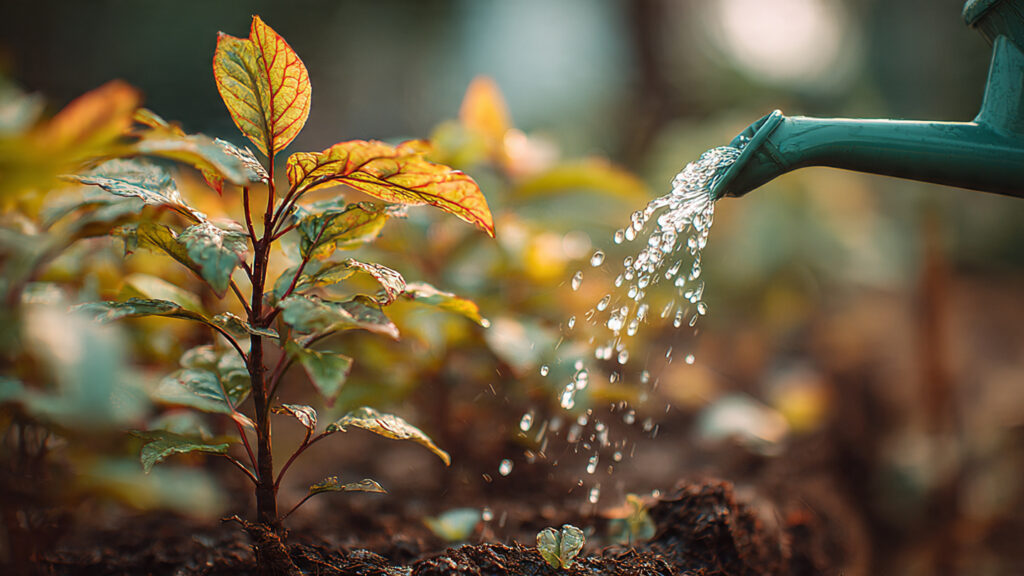
Healthy leaves are one of the clearest signs of a thriving plant. Whether you’re growing houseplants, vegetables, or flowering ornamentals, leaves tell a story about what’s happening below the surface. And one of the biggest factors influencing leaf appearance, strength, and color is watering habits.
Too much water, too little water, or inconsistent watering can quickly lead to yellowing, browning, curling, drooping, or even leaf drop. Understanding how watering affects leaf health helps gardeners prevent common problems and grow stronger, more vibrant plants.
Let’s explore how watering habits impact leaves, what signs to watch for, and how to create the perfect watering routine for long-term plant success.
Why Leaves React So Strongly to Water
Leaves are essential for plant survival. They handle:
- Photosynthesis (making energy from sunlight)
- Gas exchange (breathing through stomata)
- Transpiration (releasing moisture into the air)
- Nutrient transport throughout the plant
Because water plays a key role in all of these processes, even small watering mistakes show up quickly in the leaves.
Leaves are often the first place plants display stress, making them an early warning system for watering issues.
Overwatering: The Most Common Cause of Unhealthy Leaves
Many gardeners believe more water equals healthier plants, but overwatering is one of the most common reasons for poor leaf health.
What Happens When You Overwater?
When soil stays too wet, roots cannot access enough oxygen. This leads to:
- Root suffocation
- Root rot
- Poor nutrient uptake
Even though water is present, the plant begins to act like it’s dehydrated because damaged roots can’t function properly.
Leaf Symptoms of Overwatering
Overwatered plants often show:
- Yellowing leaves, especially lower ones
- Soft, limp foliage
- Leaf drop despite moist soil
- Brown, mushy spots
- Mold or fungus on the soil surface
These symptoms are especially common in indoor plants like pothos, peace lilies, and monsteras.
Why Leaves Turn Yellow
Excess water disrupts chlorophyll production, causing leaves to lose their green color. Over time, leaves may fall off entirely.
Underwatering: Dry Stress and Leaf Damage
Underwatering is equally harmful. Without enough water, plants cannot maintain pressure inside their cells, leading to wilting and leaf damage.
What Happens During Underwatering?
When soil becomes too dry:
- Roots cannot absorb moisture
- Nutrients stop moving through the plant
- Leaves lose turgor pressure and droop
If dehydration continues, leaves begin to die from the edges inward.
➡️ How to Grow Malabar Spinach from Cuttings for Fast, Easy Greens
➡️ How to Grow Super Delicious Cabbage at Home Without a Garden
➡️ How to Grow Bean Sprouts at Home in Plastic Bottles Easily (Step‑by‑Step Guide)
➡️ Why is Your Lemon Tree Blooming in the Heart of Winter?
➡️ Why Should Your Garden Have a Dedicated Pollinator Highway?
➡️ Why Do Your Fruit Trees Need a Winter Wash to Thrive in Spring?
➡️ How Can Rice Water Transform Your Fruits into Sweeter Delights?
➡️ Jumpstart Your Winter Garden: Seed Starting Under Lights
Leaf Symptoms of Underwatering
Common signs include:
- Crispy brown leaf edges
- Curling or shriveled leaves
- Wilting during the day
- Dry, brittle texture
- Slow growth and smaller leaves
Outdoor plants may show these signs quickly during hot summer weather.
Inconsistent Watering: The Hidden Leaf Stressor
Some gardeners water heavily, then forget for days, then water again. This inconsistency can stress plants more than steady dryness or moisture.
Why Inconsistent Watering Hurts Leaves
Plants prefer stability. Rapid shifts between wet and dry soil cause:
- Root shock
- Interrupted nutrient absorption
- Leaf splitting or curling
- Uneven growth patterns
Leaf Symptoms of Inconsistent Watering
Look for:
- Leaves that curl unpredictably
- Yellow patches mixed with brown tips
- Sudden leaf drop after watering
- Weak, floppy new growth
Consistency is key to strong foliage.
How Water Quality Impacts Leaf Health
Watering habits aren’t just about frequency—they’re also about the quality of water used.
Hard Water and Mineral Buildup
Tap water with high minerals can cause:
- White crust on soil
- Leaf tip browning
- Reduced nutrient absorption
Sensitive plants like calatheas and orchids are especially affected.
Chlorine and Chemicals
Chlorinated water can irritate roots over time, leading to dull leaves and slow growth.
Tip: Let tap water sit overnight before using it, allowing chemicals to dissipate.
Watering Time and Technique Matter
The way you water is just as important as how much.
Watering Too Late in the Day
Evening watering outdoors may leave foliage wet overnight, increasing fungal disease risk.
Leaf issues include:
- Spots
- Mildew
- Rotting edges
Watering Only the Surface
Shallow watering encourages shallow roots, making plants more vulnerable to heat stress.
Healthy plants need deep watering that reaches the full root zone.
Leaf Problems Linked to Poor Watering Habits
Let’s connect common leaf symptoms directly to watering mistakes:
Yellow Leaves
Usually caused by:
- Overwatering
- Poor drainage
- Root rot
Brown Leaf Tips
Often linked to:
- Underwatering
- Dry air combined with inconsistent moisture
- Mineral buildup
Curling Leaves
May result from:
- Water stress (too much or too little)
- Rapid soil drying
- Heat combined with dehydration
Drooping Leaves
Could indicate:
- Thirst (dry soil)
- Root suffocation (wet soil)
Always check the soil before assuming the plant needs water.
How to Build Healthy Watering Habits
Improving watering habits is the fastest way to improve leaf health.
1. Check Soil Before Watering
Stick your finger 1–2 inches into the soil:
- If it feels dry, water
- If it feels damp, wait
2. Water Deeply, Not Frequently
Deep watering supports strong roots and healthier leaves.
3. Use Pots with Drainage
Indoor plants should never sit in standing water.
Drainage prevents root rot and leaf yellowing.
4. Adjust Watering by Season
Plants need less water in winter and more during active growth seasons.
5. Observe Your Plant’s Leaves
Leaves provide feedback. Healthy leaves are:
- Firm
- Brightly colored
- Upright
- Free of spots and browning
Best Practices for Different Plant Types
Houseplants
- Water when the topsoil dries slightly
- Avoid soggy pots
- Use filtered or rested water for sensitive plants
Vegetables
- Require consistent moisture for leaf production
- Mulch helps retain water
- Deep watering boosts yield
Flowering Plants
- Too much water reduces blooms
- Moderate, even moisture supports leaf and flower health
Conclusion: Watering Is the Key to Beautiful Leaves
Watering habits directly shape leaf health. Leaves respond quickly to moisture changes, making them the best indicators of whether your plant is thriving or struggling.
To maintain healthy foliage:
- Avoid overwatering and underwatering
- Keep watering consistent
- Use good drainage and quality water
- Observe leaf signals early
With the right habits, your plants will reward you with lush green leaves, stronger growth, and lasting beauty.
Healthy leaves start with smart watering.