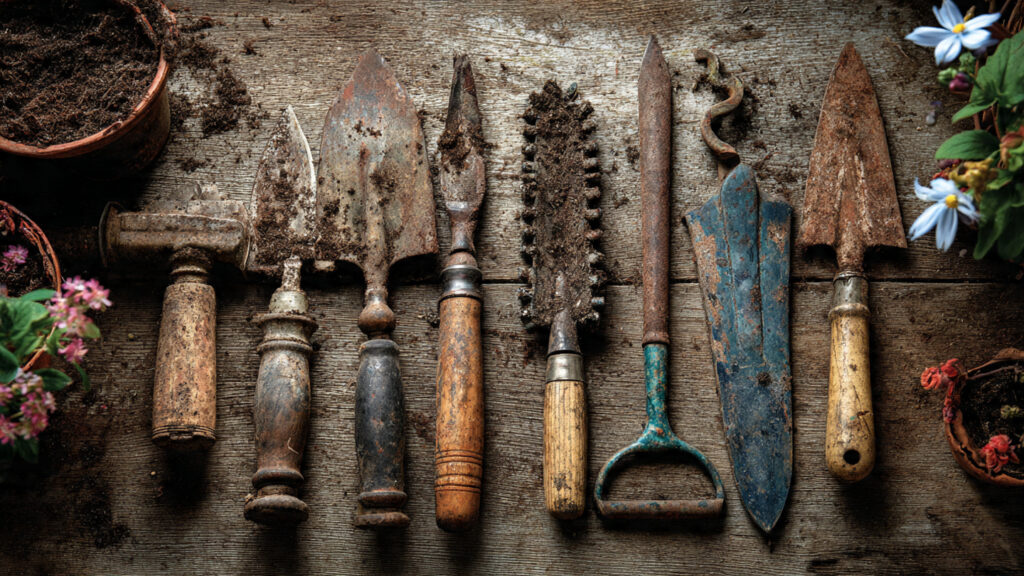
A flourishing garden requires more than just sunlight, water, and care—it also demands clean and well-maintained tools. Gardeners often underestimate the impact of dirty or contaminated tools, yet neglecting this aspect can lead to plant diseases, pest infestations, and poor growth. From pruning shears to trowels and watering equipment, every tool has the potential to introduce harmful pathogens to your garden if not properly cleaned and disinfected. Understanding the dangers of dirty garden tools and adopting proper maintenance practices is essential for keeping your plants healthy and your garden thriving.
Why Dirty Garden Tools Are a Problem
Garden tools come into contact with soil, plants, and organic debris, creating a breeding ground for bacteria, fungi, and viruses. When these tools are used on healthy plants without cleaning, pathogens can spread from one plant to another. Common issues caused by dirty tools include:
- Bacterial Infections: Tools contaminated with bacterial pathogens can introduce diseases such as bacterial leaf spot or wilt.
- Fungal Diseases: Fungal spores on pruning shears or trowels can spread powdery mildew, rust, or blight.
- Viral Transmission: Certain plant viruses can be transferred mechanically from infected to healthy plants.
- Cross-Contamination: Tools used in compost, soil, or multiple plants can unknowingly spread pathogens.
Even a small amount of contaminated soil or plant debris on your tools can compromise the health of your entire garden.
Common Garden Tools That Require Cleaning
Every gardener should be aware that several common tools are particularly prone to spreading disease if not cleaned:
- Pruning Shears and Scissors: Used for cutting branches, flowers, and vegetables. Pathogens can enter plants through fresh cuts.
- Trowels and Spades: Digging in soil can transfer fungal spores or bacteria from one area to another.
- Hoes and Cultivators: Soil disturbance can carry disease organisms across the garden bed.
- Watering Equipment: Hoses, watering cans, and sprayers can harbor bacteria and algae that contaminate water.
- Garden Knives and Saws: Used for harvesting or trimming, they can spread pathogens if not disinfected between plants.
By cleaning these tools regularly, you reduce the risk of introducing harmful organisms to your plants.
How Dirty Tools Spread Disease
Dirty tools spread disease through direct contact with plant tissue or soil. Here’s how this happens:
- Pruning Transmission: When cutting stems or branches with contaminated shears, pathogens enter the fresh wounds, leading to infections such as cankers or leaf spots.
- Soil-Borne Pathogens: Trowels and spades can transfer soil-borne fungi like Fusarium and Pythium from one garden bed to another.
- Cross-Plant Contamination: Using the same tool on multiple plants without cleaning spreads bacteria, viruses, and fungi rapidly.
- Water Contamination: Watering tools with residual organic matter can carry disease-causing organisms directly to leaves, roots, and flowers.
Even if only a small amount of dirt or plant debris remains on a tool, it can introduce serious problems to otherwise healthy plants.
Signs Your Plants May Be Affected
If your garden plants begin showing unusual symptoms, dirty tools may be the culprit. Common warning signs include:
- Yellowing or Wilting Leaves: Could indicate bacterial or fungal infections.
- Black or Brown Spots: Often caused by leaf spot fungi or bacterial infections.
- Stunted Growth: Poor plant development may result from root pathogens spread by contaminated soil tools.
- Unusual Mold or Mildew: Powdery mildew or gray mold on leaves may indicate pathogen transfer.
- Sudden Plant Death: Severe infections spread quickly, especially in densely planted areas.
Regular inspection and proactive tool maintenance can prevent these issues from escalating.
How to Properly Clean Garden Tools
Maintaining clean tools is essential for a healthy garden. Follow these steps for effective cleaning:
1. Remove Dirt and Debris
- Scrape off soil, sap, and plant matter using a stiff brush or cloth.
- Rinse with water to remove stubborn particles.
2. Disinfect the Tools
- Household Bleach Solution: Mix 1 part bleach to 9 parts water and soak tools for 5–10 minutes.
- Isopropyl Alcohol: Wipe blades and handles with alcohol for quick disinfection.
- Commercial Garden Disinfectants: Available at nurseries, these solutions are formulated to kill bacteria and fungi.
3. Dry and Oil Tools
- Dry thoroughly to prevent rusting.
- Apply a thin layer of vegetable oil or mineral oil to metal surfaces to maintain sharpness and durability.
4. Store Properly
- Keep tools in a dry, ventilated area.
- Hang or organize tools to prevent contamination from soil and plant debris.
Regular cleaning after each use reduces the risk of spreading disease and prolongs the life of your tools.
Best Practices for Preventing Tool-Related Plant Damage
In addition to cleaning, adopting certain practices can minimize disease risk:
- Clean Between Plants: Disinfect tools between cutting different plants, especially if one shows signs of infection.
- Use Separate Tools: Dedicate specific tools for vegetables, flowers, and shrubs to prevent cross-contamination.
- Avoid Wet Conditions: Pathogens spread more easily in wet soil, so try to dig or prune when conditions are dry.
- Inspect Plants First: Look for signs of disease before starting pruning or harvesting.
- Sharpen Tools Regularly: Sharp blades make clean cuts, reducing plant stress and susceptibility to disease.
These habits create a proactive approach to plant health in your garden.
Common Mistakes to Avoid
Many gardeners inadvertently harm their plants through improper tool maintenance. Common mistakes include:
- Using dirty tools on new plants, introducing pathogens early.
- Ignoring rust or sap build-up, which harbors bacteria and fungi.
- Overwatering after pruning, creating favorable conditions for pathogens.
- Sharing tools with neighbors or community gardens without disinfecting.
Avoiding these mistakes helps maintain a healthy, vibrant garden.
➡️ How to Grow Malabar Spinach from Cuttings for Fast, Easy Greens
➡️ How to Grow Super Delicious Cabbage at Home Without a Garden
➡️ How to Grow Bean Sprouts at Home in Plastic Bottles Easily (Step‑by‑Step Guide)
➡️ Why is Your Lemon Tree Blooming in the Heart of Winter?
➡️ Why Should Your Garden Have a Dedicated Pollinator Highway?
➡️ Why Do Your Fruit Trees Need a Winter Wash to Thrive in Spring?
➡️ How Can Rice Water Transform Your Fruits into Sweeter Delights?
➡️ Jumpstart Your Winter Garden: Seed Starting Under Lights
Additional Benefits of Clean Tools
Maintaining clean garden tools not only protects plants but also provides other advantages:
- Longer Tool Lifespan: Clean, oiled tools resist rust and wear, lasting longer.
- Easier Gardening: Tools free of soil and sap are easier to use and more efficient.
- Better Plant Aesthetics: Healthy plants with fewer diseases produce more flowers, fruits, and foliage, enhancing garden beauty.
- Reduced Chemical Use: Preventing disease decreases the need for pesticides or fungicides, promoting eco-friendly gardening.
In essence, a little effort in tool care pays off with healthier plants and a more enjoyable gardening experience.
Eco-Friendly Cleaning Solutions
For gardeners seeking environmentally friendly options:
- Vinegar: A mild solution can disinfect tools without harsh chemicals.
- Hot Water: Soaking or rinsing tools in boiling water helps kill pathogens.
- Hydrogen Peroxide: A diluted solution can disinfect surfaces and prevent fungal spread.
These alternatives minimize chemical exposure while maintaining effective hygiene.
Conclusion
Dirty garden tools are more than just messy—they are a hidden threat to your plants’ health. Contaminated shears, trowels, and watering equipment can spread bacteria, fungi, and viruses, leading to poor growth, disease, and even plant death. By implementing proper cleaning, disinfecting, and storage practices, gardeners can prevent cross-contamination and promote a healthy, thriving garden.
Regular tool maintenance, careful inspection of plants, and proactive cleaning between uses ensure that your plants remain vibrant and productive throughout the growing season. Whether you’re pruning flowers, digging vegetable beds, or tending to shrubs, keeping tools clean is a simple yet powerful habit that protects your garden investment.
In short, the key to a flourishing, disease-free garden starts with clean hands—and clean tools. By prioritizing tool hygiene, you not only safeguard your plants but also enjoy the satisfaction of vibrant, healthy blooms and abundant harvests.