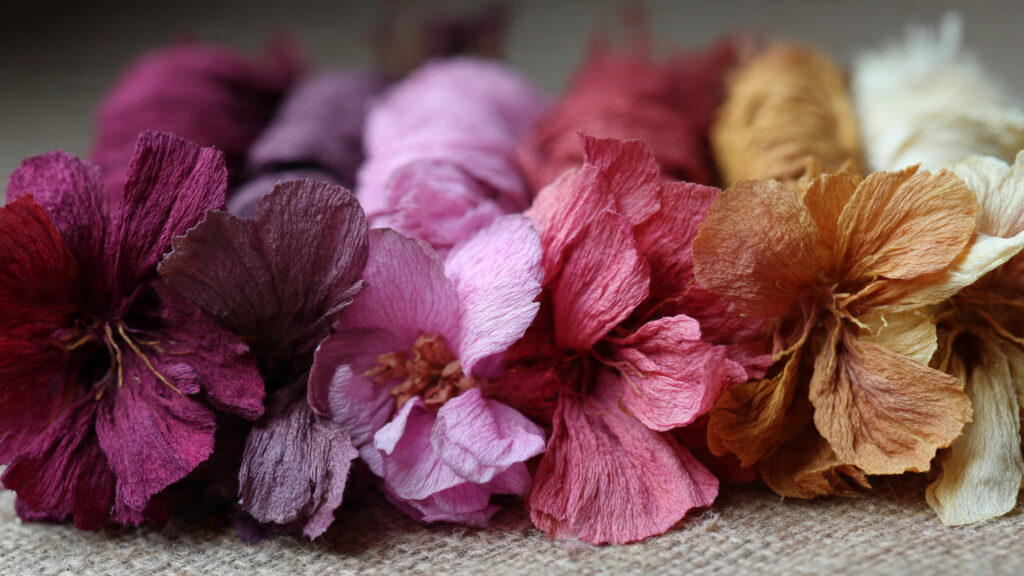
In the era of sustainable living and eco-friendly crafting, natural dyes have become more than just a trend—they are a statement of creativity, care for the environment, and love for handmade artistry. Flowers, with their vibrant colors and unique pigment profiles, are among the most accessible and versatile sources of natural dyes for home fabric projects. Whether you’re a beginner or an experienced fabric artist, understanding which flowers produce the best dyes can open up a whole new world of colors for your crafting adventures.
Why Choose Flower-Based Dyes?
Unlike synthetic dyes, which can contain harsh chemicals and toxins, flower-based dyes are gentle on fabrics and the environment. They are biodegradable, non-toxic, and can give your textiles a soft, natural aesthetic that is difficult to achieve with chemical dyes. Moreover, using flowers allows you to experiment with seasonal palettes, local flora, and even plants from your own garden. Each bloom brings its own shade, texture, and sometimes a delicate scent, adding a personal touch to every piece of fabric you dye.
Top Flowers for Natural Fabric Dyes
Not all flowers are suitable for dyeing, but several are particularly prized for their strong pigments and reliable color retention. Below is a guide to some of the most popular and effective flowers for home fabric dyeing.
1. Marigolds (Tagetes spp.)
Marigolds are bright, cheerful flowers commonly found in gardens and landscapes. Their petals produce shades ranging from golden yellow to deep orange, making them ideal for creating warm, sunny tones on cotton, linen, or silk fabrics.
Tip: For deeper hues, combine marigold petals with alum as a mordant. Alum helps the dye bind to the fabric and enhances color vibrancy and longevity.
2. Hibiscus (Hibiscus rosa-sinensis)
Hibiscus flowers are known for their striking red, pink, or purple petals, which yield beautiful pinkish-red dye on fabric. The color is especially vivid on silk or cotton fabrics and can be lightened or deepened by adjusting the number of flowers and the soaking time.
Pro Tip: Adding a small amount of vinegar to the dye bath can intensify red shades from hibiscus.
3. Roses (Rosa spp.)
Roses aren’t just fragrant—they are excellent sources of delicate pink, red, or even yellow dyes, depending on the variety. Red and pink rose petals typically give soft, romantic hues, while yellow roses can produce a gentle golden tint.
Fun Fact: Rose petals often require a longer simmering process to release their pigments fully. Crushing the petals slightly before boiling can help speed up the extraction.
4. Sunflowers (Helianthus annuus)
Sunflowers provide rich yellow dyes, particularly from their petals. Sunflowers are ideal for summer dyeing projects and work beautifully on cotton, wool, and silk fabrics. Their color is bright, cheerful, and perfect for creating natural patterns like tie-dye or shibori techniques.
Tip: Using the inner part of the sunflower, near the seeds, can yield slightly deeper hues compared to just the petals.
5. Chrysanthemums (Chrysanthemum spp.)
Chrysanthemums produce a range of colors from sunny yellows to soft oranges, making them a versatile choice for natural dyeing. The colors are generally soft and subtle, perfect for vintage-style fabrics or layered dyeing techniques.
Pro Tip: Chrysanthemum dyes pair well with other flowers, allowing you to create gradient effects or muted pastel tones.
6. Butterfly Pea Flower (Clitoria ternatea)
A tropical favorite, butterfly pea flowers are famous for their deep, vibrant blue pigment. When used in dyeing, the color can shift depending on the pH level—adding lemon juice or vinegar produces a lovely purple or lavender tone. This makes butterfly pea flowers perfect for creative experimentation with color changes and gradients.
Fun Experiment: Create an ombré effect by first dyeing the fabric in the blue solution and then dipping the ends in a slightly acidic mixture to achieve a gradual shift to purple.
➡️ How to Grow Malabar Spinach from Cuttings for Fast, Easy Greens
➡️ How to Grow Super Delicious Cabbage at Home Without a Garden
➡️ How to Grow Bean Sprouts at Home in Plastic Bottles Easily (Step‑by‑Step Guide)
➡️ Why is Your Lemon Tree Blooming in the Heart of Winter?
➡️ Why Should Your Garden Have a Dedicated Pollinator Highway?
➡️ Why Do Your Fruit Trees Need a Winter Wash to Thrive in Spring?
➡️ How Can Rice Water Transform Your Fruits into Sweeter Delights?
➡️ Jumpstart Your Winter Garden: Seed Starting Under Lights
7. Calendula (Calendula officinalis)
Calendula, often called pot marigold, is prized for its bright yellow to orange shades. The petals are easy to harvest and extract, making calendula a favorite among beginner dyers. Its gentle hue is perfect for baby clothes, soft linens, and summer garments.
Extra Tip: Using fresh petals generally yields more vibrant colors than dried ones, but dried petals are excellent for long-term storage and year-round dyeing.
8. Lavender (Lavandula spp.)
Lavender is more commonly known for its calming scent, but it also produces soft purple and grayish-blue dyes. The colors are subtle and perfect for muted, elegant tones, especially on linen or silk fabrics. Lavender dye works best when paired with an acidic mordant like vinegar to bring out the purple hues fully.
9. Hibiscus Sabdariffa (Roselle)
Different from the ornamental hibiscus, Roselle flowers produce deep magenta to crimson shades that are perfect for vibrant and bold textile projects. These flowers are often used in combination with alum or iron mordants to adjust color intensity.
10. Zinnias (Zinnia elegans)
Zinnias are available in an array of colors, from bright reds and oranges to soft pinks and purples. Petals from red and orange zinnias produce warm, lively colors, while pink zinnias give softer pastel hues. Zinnia dyes work especially well for cotton, wool, and natural silk fabrics.
Tips for Successful Flower Dyeing
Flower dyeing is part science, part art. The process may require some experimentation, but following a few key principles ensures the best results.
- Choose Fresh or Properly Dried Flowers: Fresh petals often yield brighter colors. However, drying flowers can concentrate pigments and allow for storage.
- Use a Mordant: Mordants like alum, cream of tartar, or iron help fix the color onto the fabric and enhance vibrancy.
- Adjust pH for Color Variation: Acidic solutions (vinegar, lemon juice) often brighten reds and purples, while alkaline solutions (baking soda, wood ash) can create muted, earthy tones.
- Test Small Pieces First: Before committing to a whole garment or large fabric, test the dye on a small scrap to observe color changes and intensity.
- Layer Colors: Combining multiple flowers or layering dye baths can create unique shades and gradients.
Creative Applications for Flower Dyes
Natural flower dyes are not limited to fabrics—they can enhance scarves, table linens, wall hangings, and even handmade paper. Tie-dye techniques, batik, and shibori methods are excellent ways to experiment with these natural pigments. You can also combine flowers with leaves, bark, or fruit to create more complex and earthy tones, turning each fabric project into a one-of-a-kind artwork.
Sustainability and Seasonal Considerations
Using flowers from your garden or local sources supports sustainable crafting practices. Seasonal blooms give you the opportunity to change your palette throughout the year. For instance, spring tulips and daffodils can provide soft pastel tones, while summer marigolds, sunflowers, and zinnias offer warm, vibrant hues.
Remember, flower dyeing is a way to embrace slow, mindful creativity. Each batch may vary slightly, and the imperfections are what make your handcrafted fabrics unique and charming.
Conclusion
Flowers are a treasure trove of natural pigments, offering a sustainable and artistic approach to home fabric dyeing. From the golden yellows of marigolds and calendula to the passionate reds of roses and hibiscus, and the deep blues of butterfly pea flowers, there is a palette for every creative vision. By experimenting with different flowers, mordants, and pH adjustments, crafters can create a rainbow of natural, eco-friendly dyes that make every fabric project truly special.
Whether you’re crafting a soft scarf, a patterned tablecloth, or a statement garment, flower-based dyes allow you to connect with nature and elevate your home fabric projects with color, creativity, and conscience.