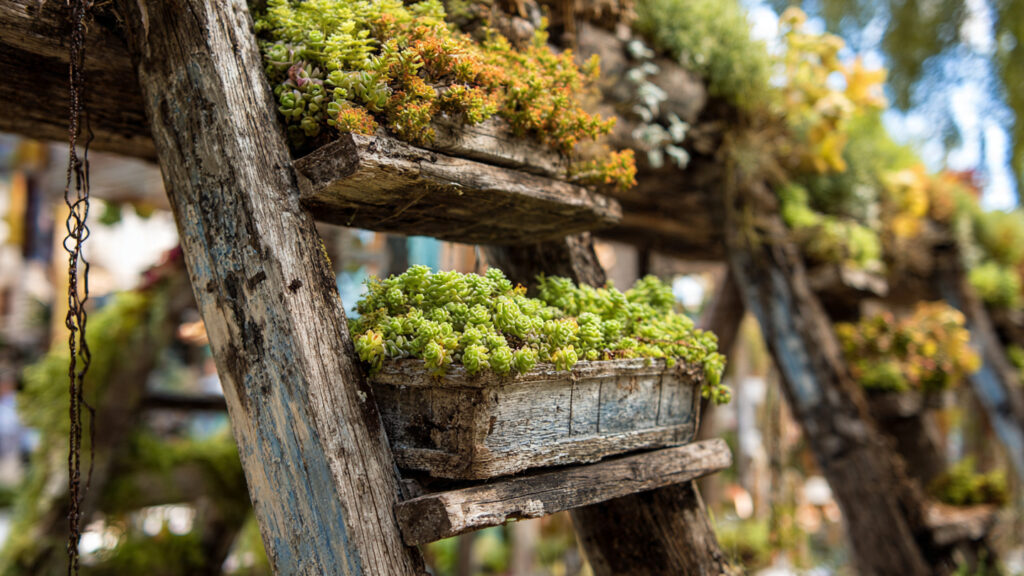
Gardening is no longer limited to sprawling backyards or spacious terraces. As urban living spaces shrink, gardeners are increasingly turning to creative solutions to bring greenery into their homes. One of the most charming and practical ways to achieve this is by transforming old ladders into vertical garden displays. This DIY approach not only gives new life to otherwise forgotten ladders but also adds a unique aesthetic to your living space, balcony, or garden. Let’s explore step by step how you can turn an old ladder into a stunning vertical garden.
Why Choose a Ladder for a Vertical Garden?
Old ladders, whether wooden or metal, have the perfect structure for creating multi-level displays. Their rungs can hold pots, planters, or hanging baskets, and their vertical orientation makes them ideal for compact spaces. Additionally, repurposing a ladder is eco-friendly—it reduces waste while giving your garden a quirky, vintage charm.
- Space Efficiency: Ladders allow you to grow multiple plants without taking up much floor space.
- Aesthetic Appeal: Rustic wooden ladders, weathered metal ones, or even painted ladders can become a focal point in your garden or balcony.
- Versatility: Ladders can support potted plants, hanging planters, or even shelves for small succulents.
Materials You Will Need
Before starting your ladder transformation project, gather the necessary materials:
- Old Ladder: Wooden ladders work best for a natural look, but metal ladders can also be used with proper treatment.
- Sandpaper and Paint or Wood Stain (optional): To restore and decorate your ladder.
- Plant Containers: Small pots, jars, or baskets that fit the ladder rungs.
- Hooks, Wire, or Rope: For hanging planters or securing pots.
- Potting Soil and Plants: Choose plants based on sunlight and care requirements.
- Protective Finish (for outdoor use): Waterproof sealant or varnish to protect wood from the elements.
With these items ready, your ladder is poised to become a vertical garden masterpiece.
Step 1: Choose the Right Ladder
Start by selecting a ladder that suits your space and style. A wooden ladder with a rustic patina works beautifully for a vintage garden feel. If the ladder is metal, ensure it is sturdy and free from rust. You can clean it thoroughly with a mild soap solution and a brush. Consider the height of your ladder in relation to the space you have—tall ladders provide more planting levels, but smaller ladders work well for compact balconies or indoor corners.
Step 2: Prepare the Ladder
For wooden ladders, sanding is essential to remove rough edges, splinters, or old paint. This ensures safety and a polished appearance. After sanding, you can choose to either:
- Paint it: Bright colors like white, turquoise, or pastel shades create a playful look.
- Stain it: A wood stain emphasizes the natural grain, adding rustic charm.
For metal ladders, a rust-proof primer followed by spray paint is ideal. If the ladder will be outdoors, consider a waterproof sealant to protect it from rain and sun.
Step 3: Decide on Plant Placement
A ladder offers multiple ways to display plants. Think about the types of plants and how they will grow:
- Rung Planters: Small pots can sit directly on the rungs. Use wire or rope to secure them if needed.
- Hanging Baskets: Attach hooks or rope to the rungs and hang small baskets for trailing plants.
- Shelf Inserts: Wooden planks can be added across rungs to create mini shelves for multiple pots.
Consider height differences, sunlight exposure, and watering needs. For example, herbs like basil and mint do well in sunny spots, while ferns and ivy thrive in shaded corners.
Step 4: Select Your Plants
The choice of plants can make or break your ladder garden. Here are some great options for a vertical garden ladder:
- Succulents and Cacti: Perfect for low-maintenance indoor ladders.
- Herbs: Basil, rosemary, thyme, and parsley are functional and fragrant.
- Flowering Plants: Petunias, pansies, and marigolds add color and charm.
- Trailing Plants: Ivy, string of pearls, or pothos create cascading effects.
Mixing textures, heights, and colors will create a dynamic, visually appealing display.
Step 5: Secure Your Planters
Safety is key. Pots should be stable and not prone to tipping over. Use plant hooks, ropes, or brackets to secure containers. If using baskets, make sure they are light enough for the ladder to support. For outdoor ladders, heavier pots may need extra stabilization to prevent tipping in wind.
Step 6: Placement of Your Ladder Garden
Decide whether your ladder will lean against a wall or stand freely.
- Against a Wall: Provides stability and is ideal for tight spaces.
- Freestanding: Can be anchored using brackets or placed in a corner to avoid accidents.
For outdoor setups, choose a spot with sufficient sunlight for your plants. For indoor setups, near a window is ideal.
Step 7: Watering and Maintenance
Vertical gardens require attention to watering. Plants at the top may dry out faster, while lower plants retain more moisture. Consider these tips:
➡️ How to Grow Malabar Spinach from Cuttings for Fast, Easy Greens
➡️ How to Grow Super Delicious Cabbage at Home Without a Garden
➡️ How to Grow Bean Sprouts at Home in Plastic Bottles Easily (Step‑by‑Step Guide)
➡️ Why is Your Lemon Tree Blooming in the Heart of Winter?
➡️ Why Should Your Garden Have a Dedicated Pollinator Highway?
➡️ Why Do Your Fruit Trees Need a Winter Wash to Thrive in Spring?
➡️ How Can Rice Water Transform Your Fruits into Sweeter Delights?
➡️ Jumpstart Your Winter Garden: Seed Starting Under Lights
- Self-Watering Planters: Useful for busy gardeners.
- Drip Trays: Place trays under pots to catch excess water.
- Regular Pruning: Keep trailing plants tidy and remove dead leaves.
Step 8: Add Decorative Touches
Your ladder garden can be more than functional—it can be a work of art. Consider adding:
- String lights for a magical evening glow.
- Small garden ornaments or miniature sculptures.
- Seasonal decorations to keep the display fresh and vibrant.
Step 9: Safety Considerations
Ensure that the ladder is stable and won’t tip over. For tall ladders, securing the top to the wall with brackets or hooks is essential. Avoid overcrowding pots, as excess weight can affect stability.
Step 10: Enjoy Your Vertical Garden
Once complete, your ladder garden is ready to delight. It brings greenery into small spaces, reuses old materials, and adds character to any corner of your home or garden. Watch as your plants thrive, and take pride in a DIY project that’s both creative and sustainable.
Creative Variations
- Hanging Ladder Garden: Suspend a ladder horizontally from the ceiling and hang plants downward for a floating garden effect.
- Multi-Ladder Display: Use two or more ladders together to form a larger, more dynamic vertical garden.
- Theme-Based Ladder Gardens: Create herb-only, succulent-only, or flowering-only ladder gardens for a curated look.
Final Thoughts
Transforming an old ladder into a vertical garden is a perfect blend of creativity, sustainability, and gardening ingenuity. It’s ideal for small spaces, repurposes unused materials, and gives your home or balcony a unique personality. With proper preparation, careful plant selection, and a touch of decorative flair, a simple ladder can become the centerpiece of your vertical garden oasis.
So next time you spot an old ladder gathering dust in a corner, don’t discard it. Instead, imagine it blooming with life, beauty, and greenery—a charming vertical garden that’s as functional as it is delightful.