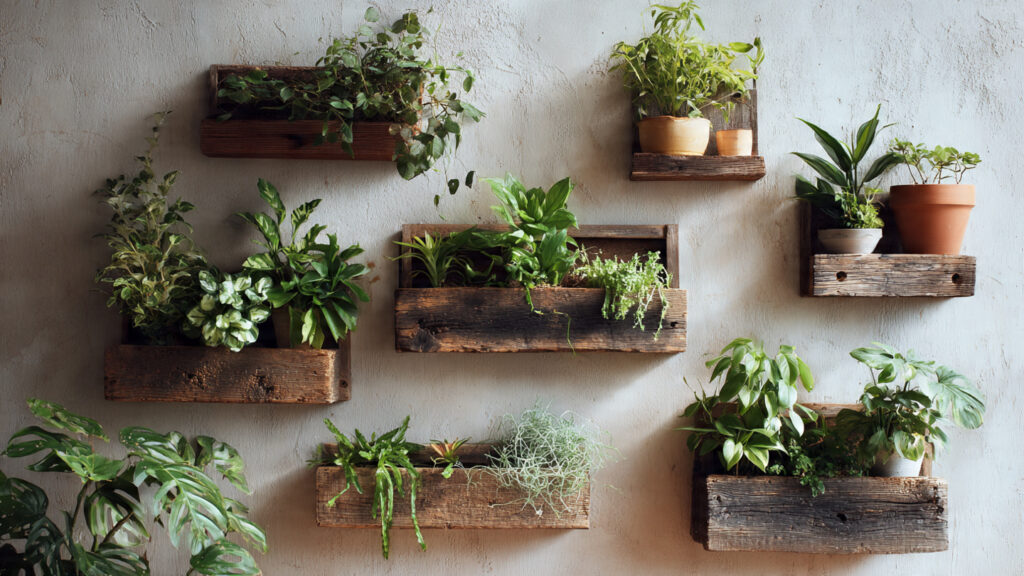
In the world of interior design, living walls and plant displays have emerged as an innovative way to breathe life into any space. If you’re a plant enthusiast or someone looking to add a natural touch to your home, propagation stations offer a perfect blend of style and functionality. Beyond merely being practical tools for propagating cuttings, these stations can transform walls into living, ever-evolving works of art.
What Is a Propagation Station?
A propagation station is essentially a designated setup where plant cuttings are placed in water or soil to encourage root growth. They come in various forms: glass vases, test tubes, jars, hanging containers, or even modular wall units. The primary goal is to allow plant cuttings to develop roots in a controlled environment before transferring them to larger pots or gardens. However, the aesthetic appeal of propagation stations has taken them beyond simple gardening tools—they now serve as decorative elements that enhance interior spaces.
Why Use Propagation Stations as Wall Art?
Traditionally, wall art has been limited to paintings, photographs, or framed prints. Propagation stations offer a refreshing alternative: living art that grows and changes over time. Here’s why they are becoming a popular choice among plant lovers and interior designers:
- Dynamic Decor: Unlike static artwork, propagation stations evolve daily. New roots emerge, leaves grow, and cuttings flourish, making the display an ever-changing masterpiece.
- Space Efficiency: Especially for small apartments or homes with limited floor space, vertical propagation stations allow you to enjoy greenery without cluttering countertops or shelves.
- Therapeutic Benefits: Studies have shown that caring for plants reduces stress and increases well-being. Having a living wall in your space can elevate mood and provide a calming visual experience.
- Conversation Starter: Guests are often intrigued by unique indoor displays. A propagation station wall can be a creative focal point in your living room, kitchen, or even workspace.
Choosing the Right Plants for Your Propagation Wall
Selecting the right plants is key to creating a thriving and visually appealing wall. Some plants are better suited for propagation in water or small containers:
- Pothos (Epipremnum aureum): Easy to propagate and resilient, pothos cuttings can thrive in water and create cascading greenery.
- Philodendron: Heartleaf philodendron cuttings root quickly and have lush green foliage perfect for vertical displays.
- Spider Plant (Chlorophytum comosum): Spider plant pups or leaf cuttings grow roots quickly and can add a dynamic texture to the wall.
- Monstera Deliciosa: For a bold statement, propagate Monstera cuttings in water; their aerial roots and split leaves add tropical flair.
- Coleus and Tradescantia: Colorful stems with vibrant leaves can add pops of color, making the living wall more visually striking.
Creative Ideas for Displaying Propagation Stations
Propagating plants doesn’t have to be boring. With a little creativity, you can turn your propagation stations into artistic installations:
- Test Tube Wall Mounts: Arrange glass test tubes in a geometric pattern on the wall. Use a wooden or metal frame to hold them. Fill with water and add cuttings. Over time, roots will grow, and the display becomes a minimalist, modern green feature.
- Floating Shelf Displays: Place small jars or vases on staggered floating shelves. This allows for easy rearrangement and adds depth to the wall. Mixing different jar sizes and plant varieties enhances visual interest.
- Hanging Macramé Holders: Macramé plant hangers aren’t just for potted plants. They can hold small propagation jars, creating a boho-chic cascading effect. Position them near windows for optimal sunlight.
- Magnetic or Pegboard Setup: Use a magnetic wall or pegboard to attach mini vases or test tubes. This interactive design lets you move and adjust cuttings, creating a modular living wall.
- Vertical Garden Frames: Build a frame with slots for multiple propagation jars. Wooden frames with glass jars or mason jars can be mounted on walls, turning the display into a structured, gallery-like piece.
Caring for Your Wall-Mounted Propagation Stations
A thriving propagation station doesn’t just happen—it requires attention. Here are some essential care tips:
- Water Quality: Use filtered or distilled water to avoid chlorine and chemicals that might hinder root growth. Change the water every week to prevent stagnation.
- Lighting: Most propagating plants prefer bright, indirect sunlight. Avoid direct sunlight that can overheat glass containers and burn leaves.
- Cleaning: Algae and bacteria can build up in clear containers. Wash jars or test tubes regularly to keep the water fresh.
- Plant Rotation: As some cuttings root faster than others, rotate plants to maintain a balanced and visually appealing arrangement.
- Temperature and Humidity: Most indoor plants propagate well at room temperature with moderate humidity. Avoid placing your wall near heating vents or drafty areas.
Enhancing Aesthetics with Complementary Decor
Propagation stations work beautifully on their own, but you can enhance their visual impact with thoughtful decor:
- Backdrops: Paint the wall in a neutral or contrasting color to make the greenery pop. Textured walls, like exposed brick, also add depth.
- Lighting: Install LED grow lights or decorative strip lights behind the propagation wall to highlight the plants and create a glowing effect at night.
- Mix of Containers: Combine different glass shapes, sizes, and styles—vases, test tubes, jars—to create visual rhythm and avoid monotony.
- Accents: Add small decorative items like stones, driftwood, or figurines in some jars to personalize the display.
Benefits Beyond Aesthetics
The beauty of propagation stations as living wall art goes beyond their visual appeal:
- Sustainable Gardening: Propagating plants reduces waste and minimizes the need to buy new plants frequently. You can expand your collection organically.
- Educational Value: Watching roots develop and plants grow is educational for children and adults alike. It’s a hands-on way to learn about plant biology.
- Flexibility: Propagation walls are versatile—they can be installed in kitchens, bathrooms, living rooms, or offices. Some cuttings can even be moved outdoors seasonally.
- Affordable Green Decor: Instead of investing in large potted plants or vertical gardens, propagation stations offer a budget-friendly alternative to add greenery.
Common Mistakes to Avoid
Even with the best intentions, propagation walls can face challenges. Avoid these common mistakes:
- Overcrowding: Too many cuttings in one container can limit root growth and reduce air circulation.
- Neglecting Water Changes: Stagnant water encourages algae and root rot.
- Poor Light Conditions: Insufficient light can lead to weak, leggy growth.
- Using Untreated Water: Tap water with chlorine can slow or stunt propagation.
Conclusion
Propagation stations are more than just a plant care tool—they are an opportunity to merge nature with art. By creatively arranging cuttings on walls, you can transform any space into a living, breathing gallery. Whether you prefer a sleek modern setup with test tubes or a cozy bohemian look with hanging jars, there’s a style for every aesthetic.
With the right plant selection, thoughtful arrangement, and proper care, your propagation wall will flourish, offering not only beauty but also a sense of tranquility and connection to nature. Every glance at your living wall will remind you that plants are not just decorations—they are living pieces of art that grow, evolve, and bring life to your home.