If you’ve ever grown tomatoes, you know the joy of harvesting plump, juicy fruits right from your garden. But what if there was a simple way to make your tomatoes not just fresh, but bursting with enhanced flavor? Enter borage — a star companion plant known for transforming the taste and health of your tomato crops.
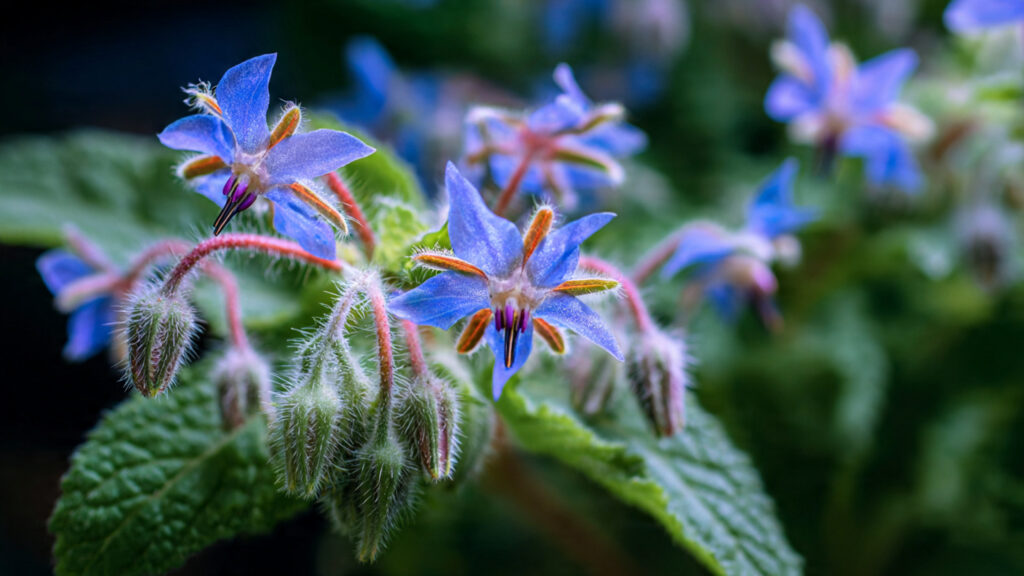
Borage, sometimes called the “herb of the star”, is an herbaceous plant with bright blue, star-shaped flowers and hairy leaves. While it might seem like just another pretty plant for your garden, borage packs a powerhouse of benefits for tomatoes that go beyond aesthetics.
The Science Behind Borage and Tomatoes
Gardeners and plant scientists alike have long observed the magic of companion planting — the practice of growing certain plants together to improve growth, flavor, and pest resistance. Borage is a champion companion for tomatoes due to its multiple effects:
- Nutrient Enhancement: Borage has deep roots that pull minerals like calcium and potassium from the soil. These nutrients are vital for tomatoes and can improve their overall taste and texture.
- Pollinator Magnet: Borage’s vivid blue flowers attract bees and other pollinators. More pollinators mean better fruit set and potentially sweeter tomatoes.
- Stress Reduction: Borage is believed to increase the resilience of nearby plants to environmental stresses, which helps tomatoes grow healthier and more flavorful.
How Borage Enhances Tomato Flavor
The influence of borage on tomato flavor is subtle but remarkable. Gardeners report that tomatoes grown near borage develop a richer, sweeter taste and an unmistakable depth that sets them apart from other homegrown or store-bought varieties.
Here’s why this happens:
- Mineral Uptake: As borage draws minerals from deeper soil layers, it indirectly nourishes the tomatoes nearby. Potassium, in particular, is known to enhance the sugar content of tomatoes, resulting in naturally sweeter fruit.
- Improved Pollination: With more bees visiting your garden thanks to borage flowers, your tomatoes undergo better pollination. This can lead to fruit that ripens evenly and develops richer flavor compounds.
- Pest Repellent Effect: Borage naturally deters tomato hornworms and other pests. With fewer pests stressing the plant, tomatoes can allocate more energy to flavor development instead of defense.
Planting Borage with Tomatoes
To harness the flavor-boosting power of borage, you need to plan your garden carefully. Here’s how to do it:
- Choose the Right Spot: Plant borage near your tomato plants but ensure they don’t crowd each other. Tomatoes need full sun, and borage can tolerate partial shade but thrives in sunny areas.
- Spacing Matters: Space borage plants about 12 inches apart, and leave enough room between borage and tomatoes to allow for airflow and sunlight penetration.
- Succession Planting: To maintain a continuous bloom of blue flowers throughout the season, consider sowing borage seeds every few weeks.
- Soil Preparation: Borage is relatively forgiving, but tomatoes prefer well-drained, fertile soil. Adding compost around the base of both plants can maximize nutrient availability.
Caring for Borage
Borage is low-maintenance, which makes it a perfect companion for tomatoes. Some key care tips include:
- Watering: Borage prefers moderately moist soil. Water deeply but avoid waterlogging. Tomatoes appreciate the same treatment.
- Pruning: While borage doesn’t require much pruning, trimming old flowers can encourage more blooms and keep the plant healthy.
- Harvesting: Both the leaves and flowers of borage are edible. Leaves can be used fresh in salads or cooked, and flowers make a striking garnish for beverages and desserts.
Borage Beyond Flavor: Added Garden Benefits
While enhancing tomato flavor is the main reason to plant borage, there are several additional benefits that make this herb a garden favorite:
- Attract Beneficial Insects: Beyond bees, borage attracts predatory insects that feed on aphids and other common tomato pests, naturally protecting your crop.
- Soil Health Improvement: Borage roots add organic matter to the soil and improve aeration, which benefits tomato roots and overall plant health.
- Cut Flower Charm: Borage flowers are not only functional but beautiful. Their bright blue star-shaped blooms add an aesthetic appeal to your vegetable garden.
Culinary Uses for Borage and Tomatoes Together
Once you’ve grown tomatoes alongside borage, you’ll find plenty of ways to enjoy the enhanced flavors. Here are some ideas:
- Fresh Salads: Pair slices of juicy tomatoes with borage leaves for a unique, slightly cucumber-like flavor.
- Tomato Sauces: Use tomatoes from a borage companion planting to create pasta sauces that have an extra layer of sweetness and depth.
- Infused Beverages: Float borage flowers in a pitcher of water or lemonade. Pair with fresh tomatoes in a gazpacho for a visually stunning and tasty treat.
Tips for Maximum Flavor Transformation
To ensure that borage truly transforms your tomato flavor, follow these expert tips:
- Plant Early: Sow borage seeds early in the season so it establishes before the peak tomato fruiting period.
- Companion Combinations: Consider pairing borage with other tomato-friendly companions like basil, marigolds, and nasturtiums to amplify benefits.
- Avoid Overcrowding: Proper spacing prevents competition for nutrients and sunlight.
- Minimal Chemical Use: Organic gardening techniques enhance the natural benefits of companion planting, allowing both borage and tomatoes to thrive.
Real-Life Garden Experiences
Many gardeners swear by the flavor-boosting effect of borage. For instance, organic tomato growers often report that tomatoes grown with borage taste sweeter, with a more complex aroma and richer texture. In some cases, gardeners even notice that the fruit seems juicier and more aromatic, making it perfect for fresh eating or gourmet recipes.
Borage doesn’t just improve the fruit—it can also encourage a more vibrant, biodiverse garden ecosystem. This means healthier plants, fewer pests, and a more productive garden overall.
Conclusion
Planting borage alongside your tomatoes is a simple, natural, and highly effective way to enhance the flavor, health, and productivity of your tomato garden. By improving nutrient availability, attracting pollinators, and reducing plant stress, borage helps your tomatoes reach their full flavor potential. Beyond that, it adds beauty, attracts beneficial insects, and contributes to soil health.
Whether you’re a seasoned gardener or a beginner, incorporating borage into your tomato planting strategy is a step toward a more flavorful, sustainable, and thriving garden. Imagine biting into a homegrown tomato so rich and sweet that it transforms your salads, sauces, and culinary creations — all thanks to the humble blue star-shaped blooms of borage.
So, next planting season, don’t just plant your tomatoes. Plant borage too, and taste the difference in every bite. Your taste buds—and your garden—will thank you.
➡️ How to Grow Malabar Spinach from Cuttings for Fast, Easy Greens
➡️ How to Grow Super Delicious Cabbage at Home Without a Garden
➡️ How to Grow Bean Sprouts at Home in Plastic Bottles Easily (Step‑by‑Step Guide)
➡️ Why is Your Lemon Tree Blooming in the Heart of Winter?
➡️ Why Should Your Garden Have a Dedicated Pollinator Highway?
➡️ Why Do Your Fruit Trees Need a Winter Wash to Thrive in Spring?
➡️ How Can Rice Water Transform Your Fruits into Sweeter Delights?
➡️ Jumpstart Your Winter Garden: Seed Starting Under Lights