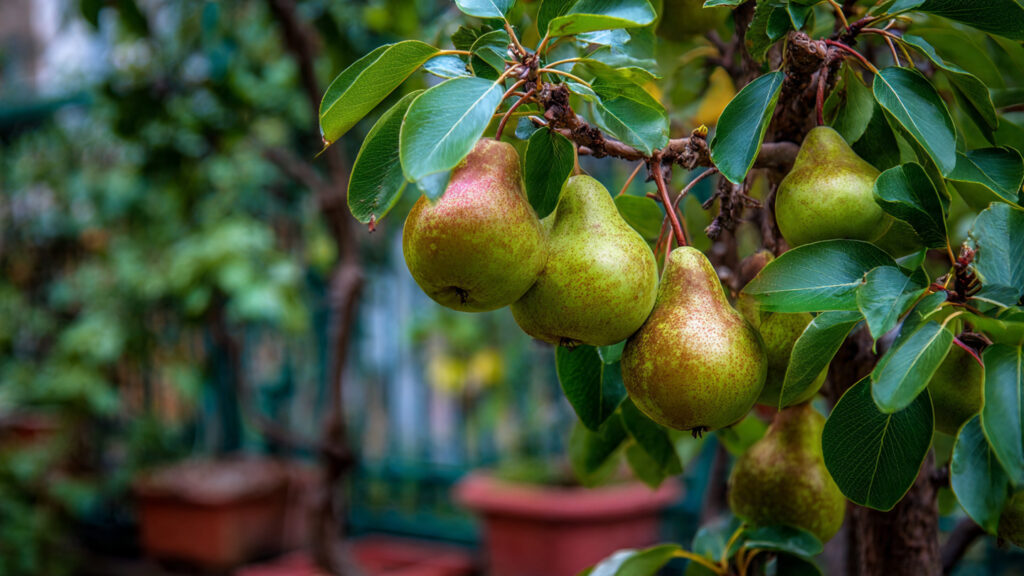
Pear lovers, rejoice! Imagine enjoying sweet, succulent pears plucked straight from your garden—even if you only have a small balcony, terrace, or limited backyard space. Thanks to the magic of miniature columnar pear trees, this dream can become a reality. These compact wonders are perfect for urban gardeners and anyone looking to grow fruit without dedicating acres of land. But how exactly do you unlock the secrets to nurturing juicy, flavorful pears on a tiny tree? Let’s dive into the essential steps, tips, and tricks.
What is a Miniature Columnar Pear Tree?
Before we dig into growing secrets, let’s clarify what makes these trees special. Miniature columnar pear trees are a unique variety designed to grow vertically rather than spreading horizontally. Unlike traditional pear trees, which can take up significant space in a garden, columnar trees grow upright with minimal lateral branching. This makes them ideal for container gardening, small yards, or even indoor sunrooms with sufficient light.
Despite their compact size, these trees can produce full-sized, juicy pears with the right care. Many gardeners are surprised by how much fruit a single columnar tree can yield—sometimes up to 20 pounds per season—without ever taking up a sprawling plot of land.
Selecting the Right Variety
Not all pear trees are created equal. When it comes to columnar varieties, you’ll want to focus on those specifically bred for compact growth and high fruit quality. Some popular options include:
- ‘Conférence Columnar’ – Known for sweet, aromatic pears.
- ‘Williams Bon Chrétien’ Columnar – Produces classic dessert pears with smooth texture.
- ‘Doyenné du Comice’ Columnar – A gourmet variety prized for juiciness and flavor.
Choosing the right variety is crucial because it determines fruit quality, size, and disease resistance. Make sure to purchase from a reputable nursery to ensure healthy, certified saplings.
Container or Ground Planting: Know Your Space
One of the biggest advantages of columnar pear trees is their adaptability to small spaces. You have two main planting options:
- Container Gardening
A large, deep container (at least 15–20 gallons) works perfectly. Containers allow you to move the tree to the sunniest spots, protect roots during cold weather, and control soil quality more effectively. Make sure the pot has drainage holes to prevent waterlogging. - Ground Planting
If you have a small yard, you can plant your columnar tree directly in the ground. Choose a spot with full sun exposure (at least 6–8 hours daily) and well-draining soil. Avoid low-lying areas where water may accumulate, as pears are prone to root rot.
Soil Preparation: The Foundation of Success
Even the most beautiful tree won’t thrive in poor soil. Pear trees prefer slightly acidic to neutral soil (pH 6.0–7.0) with rich organic matter. Before planting:
- Test your soil’s pH using a simple kit.
- Amend with compost, well-rotted manure, or organic fertilizers to improve nutrient content.
- Ensure proper drainage by mixing sand or perlite if the soil is heavy or clay-like.
A well-prepared soil foundation boosts root health, increases nutrient uptake, and ultimately leads to juicier, sweeter pears.
Planting Your Columnar Pear Tree
Timing matters. The best time to plant columnar pears is early spring, just after the last frost. Here’s a step-by-step guide:
- Dig a hole twice the size of the root ball.
- Mix native soil with compost to create a nutrient-rich backfill.
- Place the tree in the hole so that the graft union (bump near the base of the trunk) is slightly above soil level.
- Fill in the hole gradually, firming the soil gently to remove air pockets.
- Water thoroughly to settle the soil.
For container planting, use a high-quality potting mix enriched with compost or slow-release organic fertilizer.
Watering: Striking the Perfect Balance
Proper watering is critical for juicy pears. Both under- and over-watering can stress the tree and reduce fruit quality. Here’s how to manage it:
- Young trees (first 1–2 years): Keep soil consistently moist but not soggy. Water deeply 2–3 times per week.
- Established trees: Reduce frequency but water thoroughly during dry spells, especially when fruits are developing.
- Container trees: Monitor soil closely, as pots dry out faster than ground soil.
Mulching around the base helps retain moisture, regulate soil temperature, and suppress weeds.
Feeding Your Tree: Fertilizer Tips
Juicy pears require good nutrition. A balanced feeding schedule encourages healthy growth and abundant fruit:
- Early spring: Apply a slow-release fertilizer rich in nitrogen to promote leaf and shoot growth.
- After flowering: Switch to phosphorus and potassium-rich fertilizers to support fruit development.
- Organic options: Compost, fish emulsion, or seaweed extract works well for container-grown trees.
Always follow label instructions to avoid over-fertilizing, which can harm roots and reduce fruit quality.
Pollination: Key to Fruit Production
Most columnar pear varieties need cross-pollination to set fruit. This means planting a compatible pear variety nearby or using hand-pollination techniques if space is tight. Bees and other pollinators are your allies here, so avoid using insecticides during flowering.
➡️ How to Grow Malabar Spinach from Cuttings for Fast, Easy Greens
➡️ How to Grow Super Delicious Cabbage at Home Without a Garden
➡️ How to Grow Bean Sprouts at Home in Plastic Bottles Easily (Step‑by‑Step Guide)
➡️ Why is Your Lemon Tree Blooming in the Heart of Winter?
➡️ Why Should Your Garden Have a Dedicated Pollinator Highway?
➡️ Why Do Your Fruit Trees Need a Winter Wash to Thrive in Spring?
➡️ How Can Rice Water Transform Your Fruits into Sweeter Delights?
➡️ Jumpstart Your Winter Garden: Seed Starting Under Lights
- Tip: If you only have one tree, consider planting a self-pollinating variety or using a small brush to transfer pollen between blossoms.
Pruning and Training: Shape for Success
Columnar pear trees require minimal pruning, but a little shaping helps maximize fruit production:
- Remove any weak or inward-growing branches to maintain a clean, upright form.
- Pinch back new shoots during the growing season to encourage fruiting spurs.
- Avoid heavy pruning, which can reduce the number of flowers and fruits.
Training your tree along a support stake can help it withstand wind and heavy fruit loads.
Pest and Disease Management
Juicy pears can attract pests such as aphids, pear psylla, and codling moths. Preventive measures include:
- Regular inspection of leaves and fruits.
- Using organic sprays like neem oil or insecticidal soap if infestations appear.
- Removing fallen leaves and debris to prevent fungal diseases like fire blight.
Healthy trees with good airflow and proper spacing are naturally more resilient.
Harvesting: Knowing When to Pick
The ultimate reward of your efforts is tasting the sweet, juicy pears. Signs that your fruits are ready for harvest include:
- Color change: The pear’s skin develops its characteristic color.
- Slight softness near the stem when gently pressed.
- Flavor: If unsure, taste-test a single fruit before harvesting the rest.
Pick pears carefully to avoid bruising, and store them in a cool, dry place to extend shelf life.
Bonus Tips for Maximum Juiciness
- Keep your tree well-watered during fruit development; stressed trees produce smaller, less juicy fruits.
- Thin fruits early in the season to prevent overcrowding, which improves size and sweetness.
- Rotate fertilization and mulching to maintain soil health year-round.
With patience and consistent care, even a miniature columnar pear tree can deliver surprisingly large and succulent fruits.
Conclusion
Growing juicy pears on a miniature columnar tree is not just possible—it’s rewarding, practical, and even fun. By choosing the right variety, preparing soil properly, watering wisely, and paying attention to pruning and pollination, you can enjoy fresh pears straight from your own small-space garden. Whether you’re an urban gardener with a balcony or a backyard enthusiast with limited space, unlocking the secrets to this vertical fruit wonder can transform your gardening experience.
Miniature columnar pear trees prove that size doesn’t limit flavor. With the right care, you’ll be savoring sweet, juicy pears for years to come, all from a tree that fits in a pot.