In mid‑2025, sensational headlines spread across the internet: a major ocean current in the Southern Ocean had reversed direction for the first time in recorded history, signaling a risk of climate system collapse. The implication was stark — our planet’s climate was on the brink of a catastrophic tipping point. But when scientists and fact‑checkers examined the evidence, the reality proved more nuanced — and more instructive — than the alarmist phrasing suggested.
Understanding what’s actually happening in the Southern Ocean — and what it might mean for Earth’s climate — requires exploring both ocean physics and how climate information gets communicated.
What Was Reported — And What the Science Actually Shows
Multiple outlets circulated news claiming that a Southern Ocean current had reversed. Some reports even suggested a complete flip of major circulation patterns — akin to pulling the plug on the ocean’s heat engine. One such piece described a reversal that could spell “climate system collapse.”
However: scientific reviews and fact‑checking revealed that no peer‑reviewed study actually documents a complete ocean current reversal in the Southern Ocean. The peer‑reviewed research cited — including a 2025 study published in PNAS — instead documents a reversal in a decades‑long trend in surface water salinity, not a wholesale flip in circulation direction.
In simple terms:
- Instead of surface waters becoming progressively fresher (a trend scientists observed over several decades), those waters began to become saltier.
- This salt increase correlates with rapid sea ice loss and significant changes in upper ocean stratification around Antarctica.
- These salinity shifts are a signal that the Southern Ocean’s structure and heat exchange processes are changing — but not that the entire current system has turned backward like a faucet.
The misunderstanding likely stems from how terms like “reversal” and “current” were interpreted. A change in trend or water composition isn’t the same as a current suddenly flowing in the opposite direction.
What Is Actually Changing in the Southern Ocean
Scientists have identified several real and concerning trends in the Southern Ocean based on satellite data, ocean measurements, and climate models:
1. Surface Salinity Increase
For decades, the Southern Ocean surface was becoming less salty — a sign of melting ice and increasing freshwater input. But around 2015, this trend unexpectedly switched: surface waters became saltier instead.
This change in salinity has important effects because saltier water behaves differently: it is denser and influences how heat mixes vertically in the ocean.
2. Sea Ice Loss and Emerging Polynyas
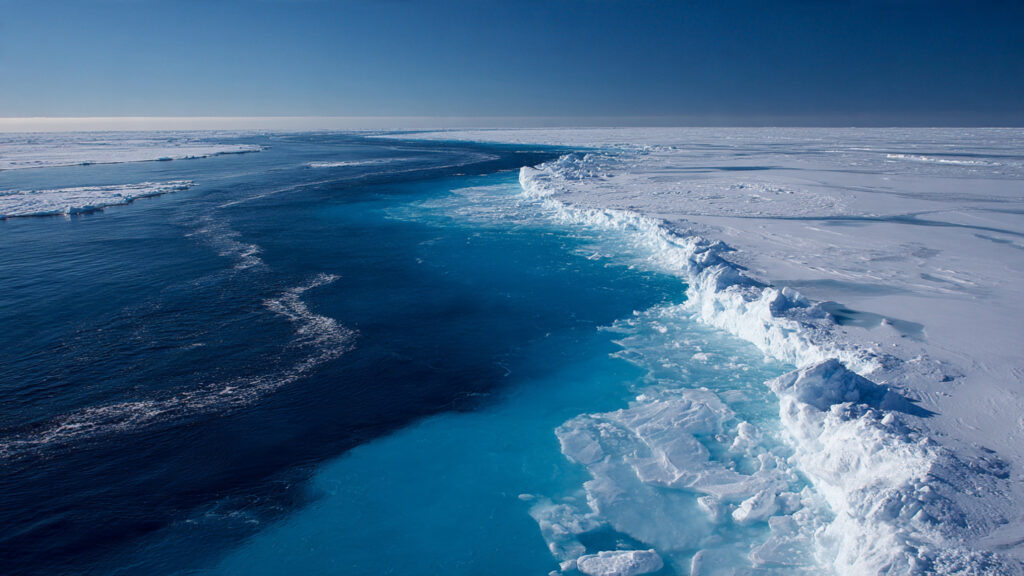
Antarctic sea ice — the floating ice around the continent — has been rapidly declining. Parts of the Southern Ocean are losing ice at record rates, and large patches of open water (called polynyas) have re‑emerged.
Less sea ice changes how sunlight is reflected back into space and how heat from the ocean escapes into the atmosphere — both fundamental parts of the climate system.
3. Mixing of Deep, Warmer Waters
The combination of increased salinity and structural changes can allow warmer, carbon‑rich deep waters to mix upward. This can accelerate ice melt from below and influence ocean‑atmosphere heat exchange. But again, this is a change in mixing patterns, not a verified total reversal of major currents.
Why It Matters for Climate and Weather
Even if a full current flip hasn’t happened, these changes have far‑reaching implications:
Oceans Regulate Earth’s Temperature
The world’s oceans — especially the Southern Ocean — absorb more than 90% of the heat trapped by greenhouse gases.
This trillion‑ton heat buffer helps prevent extreme surface warming. Alterations in how deep and surface waters exchange heat could change regional and global temperature patterns.
➡️ How to Grow Malabar Spinach from Cuttings for Fast, Easy Greens
➡️ How to Grow Super Delicious Cabbage at Home Without a Garden
➡️ How to Grow Bean Sprouts at Home in Plastic Bottles Easily (Step‑by‑Step Guide)
➡️ Why is Your Lemon Tree Blooming in the Heart of Winter?
➡️ Why Should Your Garden Have a Dedicated Pollinator Highway?
➡️ Why Do Your Fruit Trees Need a Winter Wash to Thrive in Spring?
➡️ How Can Rice Water Transform Your Fruits into Sweeter Delights?
➡️ Jumpstart Your Winter Garden: Seed Starting Under Lights
Sea Ice Loss Affects Albedo and Ecosystems
Sea ice reflects sunlight back into space. When it disappears, darker ocean water absorbs more heat, accelerating warming — a feedback loop climate scientists call polar amplification.
This has consequences for weather, sea levels, and polar ecosystems that are critical to global climate balance.
Climate Feedbacks Are Complex
A recent study found that the Southern Ocean’s capacity to absorb carbon dioxide — a key part of slowing climate change — could weaken as ice melts and ocean chemistry shifts.
In other words, changes to ocean circulation and structure can have cascading effects: less heat absorption, less carbon uptake, and more atmospheric warming.
Tipping Points vs. Trends
Scientists use the term “tipping point” carefully. It refers to a process that, once crossed, leads the climate system to a different stable state — often with big impacts.
Here’s where context is crucial:
- While oceans are showing rapid changes, there’s no consensus that the Southern Ocean’s overturning circulation has irreversibly collapsed.
- Many researchers emphasize that climate models still show the risk of significant change but not necessarily an abrupt flip like the headlines suggested.
For instance, one recent climate model study indicates that while the Atlantic Meridional Overturning Circulation (AMOC) — another major global current — could weaken severely under high emissions, it may not collapse outright this century. But even weakening has important consequences.
Why Misinformation Spreads So Fast
The idea of a major ocean current reversing is stunning and dramatic — perfect for headlines and social media. But simplification can turn complex science into misleading narratives.
This is a recurring issue in climate communication:
- Press releases sometimes use dramatic wording to grab attention.
- Secondary outlets may repeat sensational claims without checking primary scientific sources.
- Social media amplifies the message far faster than careful scientific review can respond.
The result: many readers came away believing a confirmed “current reversal and climate collapse” had already begun — which isn’t supported by the peer‑reviewed science at this time.
What This Means for the Future
While a total ocean current reversal in the Southern Ocean isn’t confirmed, the changes happening there are profound and worrying:
- Surface salinity shifts and sea ice loss are real and measurable.
- Ocean heat, carbon dynamics, and biological responses are being altered.
- These trends link directly to ongoing global warming and greenhouse gas emissions.
Scientists around the world are watching these systems closely because they are integral to Earth’s climate stability. Even incremental changes can affect:
🌊 Weather patterns in the Southern Hemisphere
🌍 Regional climates far from Antarctica
🏞 Marine ecosystems
⛰ Global carbon and heat budgets
The takeaway? We are not at the point of confirmed climate system collapse — but the signals of stress in our planet’s most powerful heat‑regulating systems are real and demand urgent attention.
Conclusion: A Wake‑Up Call, Not a Myth
The “Southern Ocean current reversal” headlines of 2025 were rooted in genuine scientific observations of unexpected changes in ocean structure and salinity around Antarctica. But the broader interpretation — that a major current had flipped and triggered imminent climate collapse — does not reflect the scientific consensus.
What is clear is this:
- Our oceans are changing rapidly.
- Those changes have meaningful implications for climate stability.
- Understanding and responding to these changes matters for every nation, ecosystem, and generation.
Rather than treating dramatic headlines as definitive science, this episode highlights the importance of digging beneath the surface — just as scientists do — to understand the true state of Earth’s climate systems.
If there’s one lesson from the Southern Ocean’s shift, it’s this: our planet’s climate is dynamic, interconnected, and sensitive to human influence — and we still have time to act.
Sources & Further Reading
- Southern Ocean trends and salinity changes.
- Sea ice loss and salinity reports.
- AMOC weakening risk analysis.
- Southern Ocean role in climate and carbon uptake.