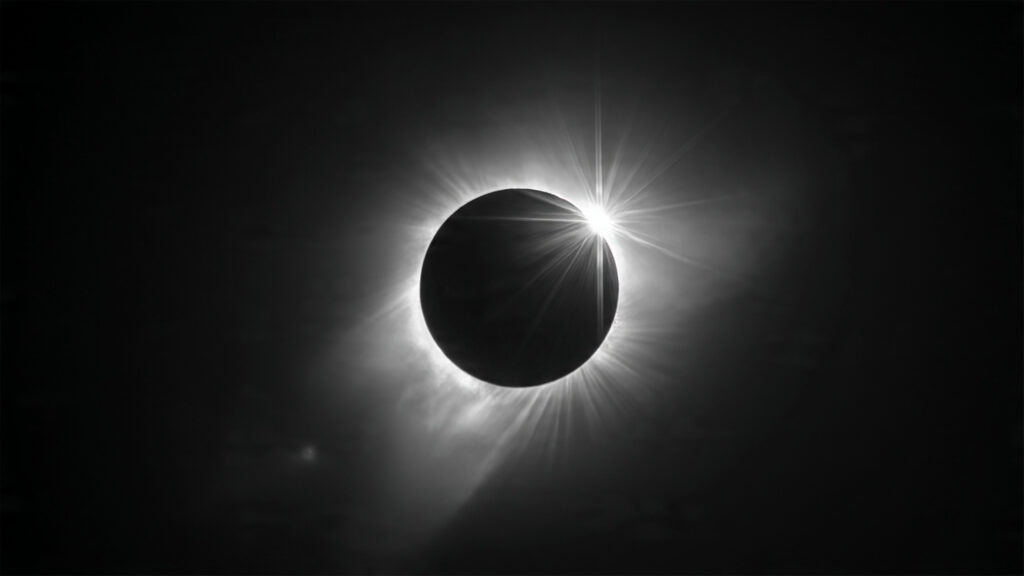
Astronomy enthusiasts and casual stargazers alike are counting down to an event that occurs once in a lifetime: the Eclipse of the Century. This rare celestial phenomenon promises nearly six minutes of total darkness, turning day into night and offering a spectacular display of the cosmos in action. Whether you are a seasoned observer, a photographer, or simply someone who wants to witness a breathtaking natural event, this eclipse is a must-see.
In this article, we’ll cover the exact date of the eclipse, what to expect during totality, and the best locations around the world to witness it, ensuring that you are fully prepared for this extraordinary astronomical show.
What Is an Eclipse of the Century?
An eclipse of the century is a total solar eclipse that is rare due to its long duration of totality and its wide visibility path. During a total solar eclipse, the moon passes directly between the Earth and the Sun, completely covering the Sun and casting a shadow over specific regions of the Earth. This creates a dramatic transformation in daylight and an unforgettable visual experience.
Unlike partial eclipses or short total eclipses, this event is exceptional because:
- It will last nearly six minutes of total darkness at peak totality, which is unusually long for a solar eclipse.
- The alignment of the Sun, Moon, and Earth is almost perfect, offering clear views of the Sun’s corona.
- Its path of totality crosses multiple countries, providing ample opportunities for global viewing.
Astronomers consider this eclipse the “event of a lifetime” due to its duration and rarity.
The Exact Date and Time
The Eclipse of the Century is scheduled for April 8, 2024. Observers along the path of totality can expect the peak of the eclipse to occur at slightly different local times depending on location, but it generally will be during midday in most areas.
Key details to know:
- Date: April 8, 2024
- Duration of totality: Up to 5 minutes and 57 seconds in some locations
- Type: Total solar eclipse
- Visibility: Across parts of North America, including Mexico, the United States, and Canada
Because solar eclipses follow precise celestial mechanics, this date has been calculated down to the exact minute. Missing this event could mean waiting decades for a similar opportunity.
What Happens During Totality
Totality is the most dramatic phase of a solar eclipse, when the Moon completely covers the Sun. During the nearly six minutes of darkness, viewers will experience:
- Dramatic Dim Light: The landscape takes on an eerie twilight hue. Shadows become sharper and cooler in tone.
- The Solar Corona: The Sun’s outer atmosphere becomes visible as a glowing, wispy halo around the Moon. This corona is usually hidden due to the Sun’s brightness.
- Temperature Drop: The temperature can fall by several degrees, providing a tangible sense of the eclipse’s power.
- Wildlife Reactions: Birds may roost, crickets chirp, and animals often react as though night has fallen.
- 360-Degree Sunset: Look around the horizon, and you’ll see a ring of sunset colors in every direction, a surreal and beautiful effect.
Witnessing totality is often described as a profoundly moving experience, combining scientific wonder with natural beauty.
Safety First: Protecting Your Eyes
Looking directly at the Sun can cause permanent eye damage, so safety is paramount. During partial phases of the eclipse, special solar viewing glasses are required.
Tips for safe viewing:
- Use ISO-certified eclipse glasses or handheld solar viewers.
- Never look at the Sun through a telescope, binoculars, or camera without a solar filter.
- Only remove glasses during the brief period of totality, when the Sun is completely obscured.
- Children should be supervised to ensure proper use of protective equipment.
Following safety guidelines allows you to enjoy the eclipse without risk to your vision.
Best Places to Witness the Eclipse
The eclipse’s path of totality stretches across North America, offering a variety of prime viewing locations. Factors to consider include local weather patterns, accessibility, and natural surroundings.
United States
- Texas: The path of totality begins in Mexico and first reaches the U.S. in Texas. Cities like Del Rio, Austin, and Dallas provide excellent urban viewing spots.
- Arkansas and Missouri: Small towns along these states’ paths offer rural settings with minimal light pollution.
- Illinois and Indiana: Midwestern locations often provide clear skies in April, ideal for photography.
- New York and Vermont: Northeastern U.S. towns near the Canadian border provide extended views of totality.
Mexico
- Durango and Coahuila: Early points along the path of totality, offering tropical desert landscapes.
- Tampico: Coastal locations provide unique sunrise viewing opportunities.
Canada
- Ontario and Quebec: Southern Ontario and Quebec experience totality in early evening hours, offering cooler weather and scenic lakeside vistas.
- New Brunswick and Newfoundland: Eastern locations allow for sunset eclipse experiences over the Atlantic Ocean.
Selecting a location depends on your travel preferences, likelihood of clear skies, and access to amenities.
➡️ How to Grow Malabar Spinach from Cuttings for Fast, Easy Greens
➡️ How to Grow Super Delicious Cabbage at Home Without a Garden
➡️ How to Grow Bean Sprouts at Home in Plastic Bottles Easily (Step‑by‑Step Guide)
➡️ Why is Your Lemon Tree Blooming in the Heart of Winter?
➡️ Why Should Your Garden Have a Dedicated Pollinator Highway?
➡️ Why Do Your Fruit Trees Need a Winter Wash to Thrive in Spring?
➡️ How Can Rice Water Transform Your Fruits into Sweeter Delights?
➡️ Jumpstart Your Winter Garden: Seed Starting Under Lights
How to Prepare for the Experience
- Plan Travel Early: Accommodations in the path of totality often book months in advance.
- Check Weather Forecasts: Clouds can obscure the eclipse, so consider multiple potential viewing sites.
- Bring Gear: Cameras with solar filters, tripods, chairs, and blankets improve comfort and documentation.
- Educate Yourself: Learn about the phases of the eclipse so you can anticipate the dramatic changes in light.
- Consider Community Events: Many towns organize viewing parties, live streams, and educational talks.
Being well-prepared ensures you can focus on the awe-inspiring experience rather than logistics.
Photography Tips
Capturing the eclipse requires special care due to the Sun’s brightness.
- Use a solar filter for cameras or telescopes.
- Tripod stabilization helps prevent blurry images.
- Time-lapse photography captures the progression of the eclipse.
- Focus on the corona during totality, which is the most visually striking feature.
- Wide-angle shots showcase the landscape and horizon effects.
Remember, photographs are wonderful keepsakes, but experiencing the eclipse in person is incomparable.
Why This Eclipse Is So Special
Several factors make the 2024 eclipse extraordinary:
- Length of Totality: Nearly six minutes is longer than most total solar eclipses, allowing more time to appreciate the phenomenon.
- Geographic Accessibility: Millions of people across North America can witness totality without extreme travel.
- Scientific Opportunity: Researchers study the solar corona, ionosphere, and even animal behavior during total eclipses.
- Cultural Significance: Total solar eclipses have inspired awe, myth, and scientific inquiry for millennia.
This combination of science, beauty, and accessibility is why it is being called the Eclipse of the Century.
Conclusion
The Eclipse of the Century on April 8, 2024, offers an unparalleled chance to witness one of nature’s most spectacular events. Nearly six minutes of total darkness, the Sun’s glowing corona, and dramatic changes in light and temperature create a surreal, unforgettable experience. By choosing the right location, preparing safety gear, and understanding what to expect, you can fully immerse yourself in this rare phenomenon.
From Texas to Canada, millions will have the opportunity to see this celestial alignment. Whether you’re a dedicated astronomer, a photographer, or a casual observer, this eclipse is a reminder of the vast, dynamic universe we inhabit—a moment to pause, look up, and marvel.
Don’t miss this once-in-a-lifetime event. Mark your calendar, gather your viewing gear, and prepare to witness the sky turn dark in the Eclipse of the Century. It’s a natural spectacle you will remember forever.