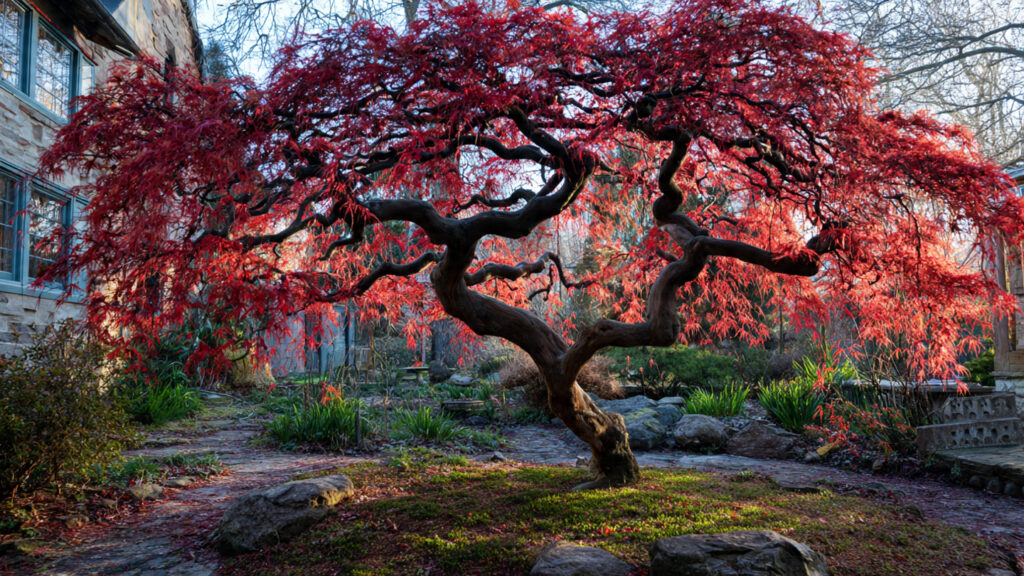
Japanese Maple trees (Acer palmatum) are among the most elegant and beloved ornamental trees, admired for their delicate, lacy leaves and stunning fall color. Whether you have a small garden tree or a mature landscape specimen, pruning is an important practice for maintaining shape, health, and aesthetic appeal. However, many gardeners wonder: Is it a bad idea to prune your Japanese Maple tree in the winter?
The answer depends on understanding the tree’s biology, seasonal growth patterns, and the purpose of pruning. In this article, we’ll explore the best timing, techniques, and considerations for pruning Japanese Maples, particularly in winter, so you can ensure your tree thrives year-round.
Understanding Japanese Maple Growth Cycles
Japanese Maples are deciduous trees, meaning they shed their leaves in autumn and enter a dormant period during winter. Dormancy is a survival strategy, reducing energy expenditure and protecting the tree from cold stress.
Key aspects of their growth cycle:
- Spring: Buds swell, and new leaves emerge. Growth accelerates, making this the primary growing season.
- Summer: Leaves fully expand, and the tree actively photosynthesizes, storing energy.
- Fall: Leaves change color and drop, signaling the start of dormancy.
- Winter: The tree conserves energy, with minimal biological activity.
Understanding these stages is crucial because pruning affects sap flow, wound healing, and growth patterns.
Why Winter Pruning Is Common
Some gardeners choose winter pruning for practical reasons:
- Leafless Visibility: Without leaves, the tree’s branch structure is clearly visible, making it easier to assess shape and identify problem branches.
- Reduced Sap Loss: Since the tree is dormant, sap flow is minimal, which can reduce bleeding from cuts compared to early spring pruning in some species.
- Easier Access: Winter pruning avoids interfering with the tree’s growing season, reducing stress during active leaf production.
However, despite these advantages, winter pruning is not always ideal for Japanese Maples. Understanding the risks helps gardeners make informed decisions.
Potential Risks of Winter Pruning
Pruning Japanese Maples in winter carries some inherent risks:
1. Cold Damage
- Cuts create open wounds that are vulnerable to freezing temperatures.
- Branches may crack or die back if exposed to harsh winter weather.
- Frost can penetrate pruning cuts, harming cambium tissue responsible for new growth.
2. Disease and Pest Exposure
- Although dormant, the tree is still susceptible to fungal infections like verticillium wilt or leaf spot pathogens that may overwinter on exposed wood.
- Open cuts may also attract boring insects or other opportunistic pests.
3. Slow Healing
- Japanese Maples heal slowly compared to other trees.
- Winter pruning can extend the period during which cuts remain vulnerable because the tree’s natural healing processes are slowed during dormancy.
4. Reduced Sap Flow Impact
- Winter cuts may prevent the tree from preparing sap reserves efficiently for spring growth, though this is usually a minor concern for healthy trees.
Best Practices for Pruning Japanese Maples
If you choose to prune in winter—or any season—following proper techniques ensures tree health and structural integrity.
1. Choose the Right Time
- Late winter / Early spring (before bud break) is generally safest. The tree is still dormant, but the risk of extreme cold has passed.
- Avoid mid-winter pruning during prolonged freezes, especially in regions with harsh winters.
2. Focus on Dead or Damaged Branches
- Winter pruning is ideal for removing broken, diseased, or crossing branches.
- Removing damaged wood prevents disease spread and improves airflow when leaves return in spring.
3. Avoid Heavy Structural Pruning
- Large cuts can stress the tree and increase cold vulnerability.
- Major shaping or thinning is better done in late spring or early summer, when growth can heal more quickly.
4. Use Clean, Sharp Tools
- Pruning tools should be sanitized with rubbing alcohol to prevent disease transmission.
- Sharp tools ensure smooth cuts, reducing the risk of bark tearing and delayed healing.
5. Make Proper Cuts
- Cut just outside the branch collar (the swollen area where the branch meets the trunk) to promote natural healing.
- Avoid leaving stubs, which can rot and invite pests or fungi.
Alternative Timing for Pruning
While winter pruning has advantages, alternative timings may yield better results:
Spring Pruning
- Conducted just after leaf emergence allows the tree to respond with new growth.
- Reduces the risk of cold damage to fresh cuts.
- Allows for observation of weak or misaligned branches after spring growth begins.
Summer Pruning
- Light pruning in summer can remove unwanted shoots and maintain canopy shape.
- Best for minor adjustments rather than major structural work.
Fall Pruning
- Generally discouraged, as pruning stimulates growth that may not harden off before winter, making the tree vulnerable to frost damage.
Specific Tips for Aesthetic Pruning
Japanese Maples are prized for their ornamental form. Winter pruning, if done cautiously, can enhance their natural beauty:
- Thin Out Crowded Branches
- Improves airflow and reduces risk of fungal disease.
- Remove Crossing Branches
- Prevents damage and maintains the graceful silhouette.
- Shorten Long, Straggly Branches
- Maintains the tree’s shape without overcutting.
- Preserve Natural Form
- Japanese Maples have a delicate structure; avoid cutting excessively, which can ruin the tree’s aesthetic.
Remember: less is more when pruning Japanese Maples, especially during dormancy.
Winter Pruning for Bonsai Japanese Maples
Bonsai enthusiasts often prune Japanese Maples in winter due to space constraints and structural needs. Key considerations include:
- Focus on small, precise cuts to guide branch growth.
- Avoid heavy pruning of primary branches, as bonsai relies on limited foliage for energy storage.
- Monitor for late frost risk, which can damage tender new buds near pruning sites.
Winter pruning in bonsai must be deliberate and restrained to avoid long-term damage.
Signs That Winter Pruning Is Needed
Even with risks, some situations warrant winter pruning:
➡️ How to Grow Malabar Spinach from Cuttings for Fast, Easy Greens
➡️ How to Grow Super Delicious Cabbage at Home Without a Garden
➡️ How to Grow Bean Sprouts at Home in Plastic Bottles Easily (Step‑by‑Step Guide)
➡️ Why is Your Lemon Tree Blooming in the Heart of Winter?
➡️ Why Should Your Garden Have a Dedicated Pollinator Highway?
➡️ Why Do Your Fruit Trees Need a Winter Wash to Thrive in Spring?
➡️ How Can Rice Water Transform Your Fruits into Sweeter Delights?
➡️ Jumpstart Your Winter Garden: Seed Starting Under Lights
- Dead or Broken Branches: Removing damaged wood prevents disease spread.
- Crossing Branches: Eliminates friction and potential wound sites.
- Excessive Density: Improves light penetration and airflow before spring growth.
- Structural Problems: Correct leaning or poorly positioned branches before sap flow begins.
In these cases, winter pruning can protect tree health when performed carefully.
Post-Pruning Care
After pruning, proper care ensures the tree heals and thrives:
- Mulch: Apply a 2–3 inch layer around the root zone to retain soil warmth and moisture.
- Watering: Ensure adequate moisture, especially if winter is dry, but avoid waterlogging.
- Protect from Frost: For young or exposed trees, consider frost blankets during extreme cold.
- Monitor for Disease: Check pruning cuts regularly for signs of rot or infection.
Good post-pruning care reduces winter risk and encourages healthy spring growth.
Conclusion
Pruning your Japanese Maple in winter is not inherently bad, but it requires caution and an understanding of the tree’s dormant state. Winter pruning is best limited to removing dead, damaged, or crossing branches, while major shaping and structural pruning are better left for late spring or early summer.
By following best practices—selecting the right timing, using sharp tools, making precise cuts, and providing post-pruning care—you can maintain the tree’s health, enhance its natural beauty, and avoid the risks associated with harsh winter conditions.
Ultimately, the key is balance: pruning enough to keep your Japanese Maple healthy and attractive, but not so aggressively that winter stress compromises its vitality. With thoughtful planning, your Japanese Maple can continue to grace your garden with its delicate foliage, elegant structure, and breathtaking seasonal color year after year.