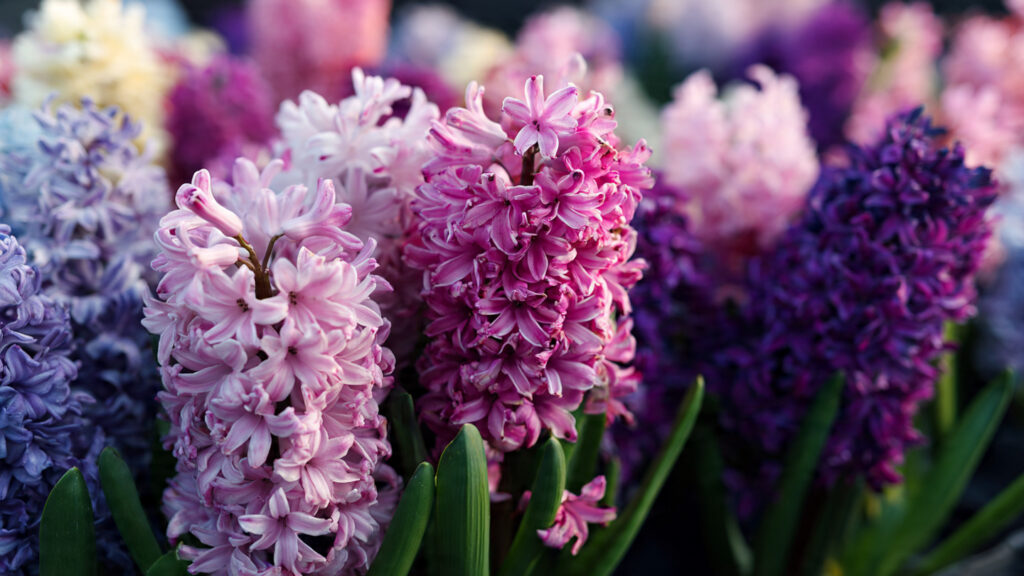
Few flowers capture the essence of spring like hyacinths. Their vibrant colors, intoxicating fragrance, and elegant blooms make them a favorite among gardeners worldwide. Whether planted in garden beds, containers, or borders, hyacinths bring beauty and cheer to any outdoor space. In this guide, I’ll share everything you need to know about growing stunning hyacinths in your spring garden, from selecting bulbs to caring for plants and ensuring a breathtaking bloom season.
Why Grow Hyacinths?
Hyacinths are more than just pretty flowers—they offer several benefits that make them a must-have for spring gardens:
- Vibrant Colors: Hyacinths bloom in shades of pink, purple, blue, white, and yellow, adding instant visual appeal.
- Fragrance: Their sweet, heady scent is a signature of spring, enhancing your garden experience.
- Easy to Grow: With proper care, hyacinths are hardy and relatively low-maintenance.
- Versatility: Suitable for garden beds, borders, containers, and even indoor forcing.
- Long Bloom Time: With proper planning, hyacinths can bring weeks of color and fragrance to your garden.
Growing hyacinths is a rewarding experience that combines beauty, scent, and simple gardening satisfaction.
Selecting Hyacinth Bulbs
The first step in growing stunning hyacinths is choosing high-quality bulbs. Consider the following:
- Firm and Healthy Bulbs: Avoid soft, shriveled, or moldy bulbs. Healthy bulbs produce strong, vibrant blooms.
- Size Matters: Larger bulbs generally produce bigger and more flowers.
- Variety Selection: Choose from popular garden varieties such as
Delft Blue,Pink Pearl,Carnegie, orJan Bos. Each offers unique color and fragrance. - Planting Time: For spring blooms, plant bulbs in the fall before the first frost to ensure proper root development during the winter.
Selecting the right bulbs is crucial for vibrant, long-lasting flowers.
Preparing Your Garden Bed
Hyacinths thrive in well-draining, fertile soil with good sunlight. Before planting, prepare your garden bed carefully:
- Soil Preparation: Loosen soil to a depth of 8–12 inches, removing weeds, rocks, and debris.
- Add Organic Matter: Mix compost or well-rotted manure into the soil to improve fertility and drainage.
- Soil pH: Hyacinths prefer slightly acidic to neutral soil (pH 6–7).
- Location: Choose a sunny spot with at least 6 hours of direct sunlight per day. Partial shade is acceptable, but flowering may be reduced.
Proper soil preparation ensures strong root development and stunning spring blooms.
Planting Hyacinth Bulbs
Planting bulbs correctly is essential to ensure healthy growth and vibrant flowers:
Planting Depth and Spacing:
- Depth: Plant bulbs 6–8 inches deep.
- Spacing: Place bulbs 4–6 inches apart to allow room for growth and airflow.
Orientation:
- Plant bulbs with the pointed end facing upwards.
- Cover with soil and lightly press down to remove air pockets.
Watering:
- Water bulbs immediately after planting to settle the soil.
- Avoid overwatering, as bulbs can rot in soggy soil.
By planting hyacinths properly in the fall, you set the stage for spectacular blooms in spring.
Caring for Hyacinths
Hyacinths are relatively low-maintenance, but proper care enhances bloom quality and longevity.
Watering:
- Keep soil moderately moist during growth, especially in dry conditions.
- Once flowers fade, reduce watering to allow bulbs to rest.
Fertilization:
- Apply a balanced, slow-release fertilizer at planting and again in early spring when shoots appear.
- Avoid excessive nitrogen, which encourages foliage growth over blooms.
Mulching:
- Apply a 2-inch layer of organic mulch to regulate soil temperature and retain moisture.
- Mulching also prevents weeds from competing with bulbs for nutrients.
Supporting Flower Stalks:
- Taller hyacinth varieties may benefit from gentle staking to prevent bending or breakage during wind or heavy rain.
Consistent care ensures healthy foliage, strong stems, and abundant flowers.
Forcing Hyacinths Indoors
One of the exciting aspects of hyacinths is forcing them indoors for early spring blooms:
- Select Bulbs: Choose large, healthy bulbs suitable for indoor forcing.
- Chill Period: Store bulbs in a cool, dark place (35–48°F / 2–9°C) for 10–12 weeks to simulate winter conditions.
- Planting: Place bulbs in pots with well-draining soil or in water with pebbles supporting the base.
- Location: After chilling, move bulbs to a sunny window with indirect light.
- Care: Water sparingly until roots establish, then maintain consistent moisture.
Forced hyacinths can bloom indoors, filling your home with vibrant colors and delightful fragrance before outdoor spring blooms appear.
Dealing with Pests and Diseases
Hyacinths are generally hardy, but they can occasionally encounter pests and diseases:
- Aphids: Spray with insecticidal soap or neem oil if needed.
- Bulb Rot: Caused by overwatering or poorly drained soil; ensure proper drainage.
- Slugs and Snails: Handpick or use natural deterrents.
- Fungal Issues: Ensure adequate spacing and airflow between bulbs to prevent fungal infections.
Preventive care and monitoring help maintain healthy, disease-free plants.
➡️ How to Grow Malabar Spinach from Cuttings for Fast, Easy Greens
➡️ How to Grow Super Delicious Cabbage at Home Without a Garden
➡️ How to Grow Bean Sprouts at Home in Plastic Bottles Easily (Step‑by‑Step Guide)
➡️ Why is Your Lemon Tree Blooming in the Heart of Winter?
➡️ Why Should Your Garden Have a Dedicated Pollinator Highway?
➡️ Why Do Your Fruit Trees Need a Winter Wash to Thrive in Spring?
➡️ How Can Rice Water Transform Your Fruits into Sweeter Delights?
➡️ Jumpstart Your Winter Garden: Seed Starting Under Lights
After Bloom Care
Once your hyacinths have finished flowering, proper aftercare prepares bulbs for the next year:
- Deadheading: Remove spent flowers to prevent seed formation, which conserves energy for bulb growth.
- Leave Foliage: Allow leaves to die back naturally; they store energy in the bulb for the next season.
- Soil Fertilization: Add compost or balanced fertilizer after foliage dies to replenish nutrients.
With proper post-bloom care, your hyacinth bulbs will return year after year with stunning flowers.
Designing a Stunning Hyacinth Garden
Hyacinths can be combined with other spring bulbs for a vibrant, layered garden:
- Borders and Edges: Plant in clusters along garden edges for visual impact.
- Mixed Beds: Combine hyacinths with tulips, daffodils, and crocuses for a rainbow of spring colors.
- Containers: Use decorative pots for patios, balconies, or indoor display.
- Color Themes: Choose complementary colors for coordinated garden designs.
Creative planting and design enhance the visual appeal and fragrance of your spring garden.
Benefits of Growing Hyacinths
- Beautiful Blooms: Long-lasting flowers that bring color and vibrancy.
- Fragrance: Sweet scent enhances garden ambiance and indoor spaces.
- Easy to Grow: Hardy, resilient, and low-maintenance with proper care.
- Versatile: Suitable for outdoor beds, borders, and indoor pots.
- Seasonal Joy: Marks the arrival of spring with early blooms and cheerful colors.
Hyacinths are a perfect choice for gardeners seeking beauty, fragrance, and simplicity.
Conclusion
Growing stunning hyacinths in your spring garden is a delightful and rewarding endeavor. By selecting high-quality bulbs, preparing soil properly, planting at the correct depth, and providing consistent care, you can enjoy vibrant, fragrant blooms that enhance your garden and home.
Key steps for success include:
- Choosing healthy, large bulbs for vibrant blooms
- Preparing well-draining, fertile soil
- Planting at proper depth and spacing
- Regular watering, mulching, and fertilization
- Proper after-bloom care to ensure future flowering
Whether planted in garden beds, borders, or containers, hyacinths offer a stunning visual and aromatic display that signals the arrival of spring. With the tips shared in this guide, anyone can grow healthy, beautiful hyacinths that return year after year, filling your garden with color, scent, and joy.