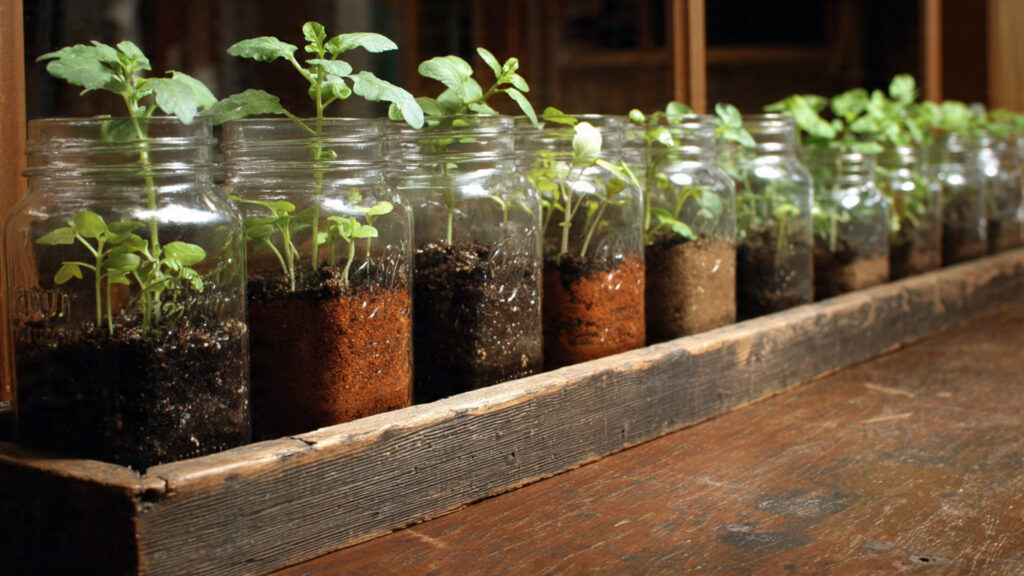
Starting seeds indoors is one of the most rewarding steps in gardening. There’s nothing quite like watching tiny seedlings sprout and knowing you nurtured them from the very beginning. But starting seeds doesn’t have to mean buying expensive trays, grow lights, or fancy soil kits. With a bit of creativity, you can turn everyday household items into efficient seed-starting setups. Here are 8 easy seed-starting setups using stuff you already own that will help you kickstart your garden without breaking the bank.
1. Egg Carton Seed Starters
Egg cartons are the classic go-to for seed starting. Whether you have cardboard or foam cartons, they provide the perfect small compartments for individual seedlings.
How to do it:
- Fill each compartment with potting soil.
- Plant 1–2 seeds per cell.
- Water gently and place the carton near a sunny window.
Pro tip: Cardboard egg cartons can be planted directly into the soil since they biodegrade naturally. Foam cartons are best reused multiple times but should be discarded responsibly. This setup is ideal for herbs like basil, parsley, or cilantro.
2. Recycled Yogurt Cups
Do you have leftover yogurt cups? Don’t toss them! These make excellent mini pots for seeds.
Setup guide:
- Poke a few drainage holes at the bottom.
- Fill with seed-starting soil and plant your seeds.
- Arrange the cups on a tray to catch excess water.
Bonus: Label each cup with a permanent marker to keep track of what you’re growing. This method works well for vegetables like tomatoes and peppers that need a little more room to grow before transplanting.
3. Tin Can Planters
Empty tin cans can be transformed into sturdy seed-starting containers with minimal effort.
Instructions:
- Clean the cans thoroughly.
- Make 2–3 small holes at the bottom for drainage.
- Fill with potting soil and plant your seeds.
Creative touch: Wrap the cans in colorful paper, fabric, or even newspaper to make them visually appealing on your windowsill. This is perfect for hardy vegetables and herbs like chives, spinach, or lettuce.
4. Plastic Food Containers
Plastic containers from takeout meals or bakery boxes can become practical seed-starting trays.
How to use:
- Ensure containers are clean and poke holes in the bottom.
- Add soil and plant your seeds.
- Keep the lid on initially to create a mini greenhouse effect, then remove it once seedlings emerge.
Why it works: The transparent lid retains moisture and warmth, accelerating germination. This method is especially effective for delicate seeds like petunias or marigolds.
5. Paper Towel Method
If you don’t have containers handy, the paper towel method is a simple alternative that requires almost nothing.
Steps:
➡️ How to Grow Malabar Spinach from Cuttings for Fast, Easy Greens
➡️ How to Grow Super Delicious Cabbage at Home Without a Garden
➡️ How to Grow Bean Sprouts at Home in Plastic Bottles Easily (Step‑by‑Step Guide)
➡️ Why is Your Lemon Tree Blooming in the Heart of Winter?
➡️ Why Should Your Garden Have a Dedicated Pollinator Highway?
➡️ Why Do Your Fruit Trees Need a Winter Wash to Thrive in Spring?
➡️ How Can Rice Water Transform Your Fruits into Sweeter Delights?
➡️ Jumpstart Your Winter Garden: Seed Starting Under Lights
- Dampen a paper towel and place seeds on it.
- Fold the towel over the seeds and place it in a shallow dish.
- Cover loosely with plastic wrap to maintain humidity.
Check daily for germination. Once the seeds sprout, carefully transplant them into soil. This technique is perfect for fast-germinating seeds like beans or radishes.
6. Ice Cube Trays
Ice cube trays aren’t just for chilling water—they make convenient mini seed starters!
Setup:
- Fill each compartment with seed-starting mix.
- Plant 1–2 seeds per section.
- Cover lightly with plastic wrap until seeds sprout.
Extra tip: Use trays with lids if possible, or cover with a clear plastic container. Ice cube trays are excellent for starting small batches of herbs and microgreens.
7. Toilet Paper Rolls
Don’t flush your creativity down the drain! Toilet paper rolls are biodegradable, and perfect for starting seedlings.
Instructions:
- Cut rolls in half for shorter seedlings.
- Stand them upright in a shallow tray.
- Fill with soil and plant seeds.
Why it’s great: Once seedlings are strong enough, you can plant the whole roll directly into your garden soil, where it will decompose naturally. This method works wonderfully for tomatoes, peppers, and other veggies that transplant well.
8. DIY Greenhouse with Plastic Bottles
Repurpose old plastic bottles to create mini greenhouses for your seeds.
How to set up:
- Cut the bottom off a 2-liter plastic bottle.
- Place it over a small pot or container filled with soil and seeds.
- Remove the cap to allow some airflow.
Benefit: The plastic bottle traps heat and moisture, creating an ideal germination environment. This method is particularly effective for seedlings that need extra warmth, such as eggplants or cucumbers.
Tips for Success with Household Seed Starters
While these setups are incredibly easy and budget-friendly, following a few key tips will maximize your seed-starting success:
- Use quality soil: Even though the containers are recycled, make sure you use good seed-starting soil. Regular garden soil may be too dense.
- Provide light: Seedlings need plenty of light. A sunny windowsill is great, but if natural light is limited, consider a small lamp.
- Water carefully: Overwatering is a common mistake. Keep the soil moist, not soggy.
- Label your seeds: When using multiple small containers, labeling ensures you remember what is growing where.
- Harden off seedlings: Before transplanting outdoors, gradually introduce seedlings to outside conditions to prevent shock.
Why Use Everyday Items for Seed Starting?
Starting seeds with items you already own saves money, reduces waste, and encourages creativity. Instead of buying new trays or kits, you can repurpose everyday items that might otherwise end up in the trash. Plus, it’s a fun, family-friendly way to teach children about gardening, sustainability, and patience.
Conclusion
Gardening doesn’t have to be expensive or complicated. By using things you already have at home, you can easily create seed-starting setups that are both practical and eco-friendly. From egg cartons and yogurt cups to paper towels and plastic bottles, there are countless ways to bring your garden to life before the first outdoor planting season.
Try one or more of these setups, watch your seeds sprout, and enjoy the satisfaction of growing healthy, thriving plants from scratch. The best part? You’re saving money, reducing waste, and turning your home into a mini nursery—all without ever leaving the house.