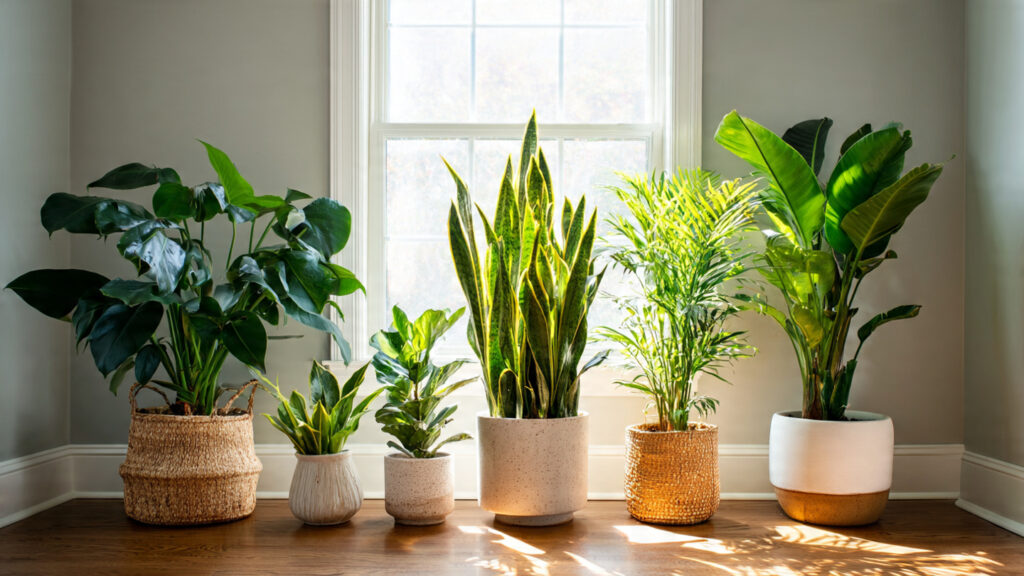
Indoor plants have become more than just décor—they’re essential for creating a healthy, vibrant, and calming home environment. From purifying the air to reducing stress, houseplants bring both aesthetic and wellness benefits. As 2026 unfolds, plant trends continue to emphasize easy-care species, air-purifying abilities, and visually striking foliage. Here’s a comprehensive list of the 25 best plants for your home in 2026, combining beauty, practicality, and low-maintenance care.
1. Snake Plant (Sansevieria trifasciata)
- Why it’s great: Virtually indestructible, purifies air, tolerates low light.
- Care tips: Water sparingly; allow soil to dry between watering.
Snake plants remain popular because of their striking upright leaves and ability to thrive in almost any indoor condition.
2. ZZ Plant (Zamioculcas zamiifolia)
- Why it’s great: Glossy leaves, drought-tolerant, low-maintenance.
- Care tips: Place in indirect light; water only when soil is dry.
Its bold, shiny foliage makes it a modern favorite for minimalist interiors.
3. Pothos (Epipremnum aureum)
- Why it’s great: Easy to grow, fast-growing vines, air purifier.
- Care tips: Thrives in low light; water moderately.
Pothos is versatile—can be hung, placed on shelves, or trained along walls for a lush green display.
4. Peace Lily (Spathiphyllum spp.)
- Why it’s great: Elegant white flowers, purifies air, low-light tolerance.
- Care tips: Keep soil slightly moist; avoid direct sunlight.
The classic combination of dark leaves and white blooms makes peace lilies timeless indoor plants.
5. Rubber Plant (Ficus elastica)
- Why it’s great: Bold foliage, air purification, easy to grow.
- Care tips: Bright, indirect light; water when top inch of soil is dry.
Rubber plants add height and drama to any indoor space with their shiny, dark green leaves.
6. Monstera Deliciosa
- Why it’s great: Iconic split leaves, fast-growing, easy-care.
- Care tips: Indirect sunlight; water moderately.
Monstera’s large, tropical leaves make it a statement plant for modern interiors.
7. Fiddle Leaf Fig (Ficus lyrata)
- Why it’s great: Large violin-shaped leaves, dramatic centerpiece plant.
- Care tips: Bright indirect light; avoid overwatering.
The fiddle leaf fig remains trendy for its architectural foliage and bold presence.
8. Aloe Vera
- Why it’s great: Medicinal properties, easy to care for, drought-tolerant.
- Care tips: Bright sunlight; allow soil to dry between watering.
Aloe is both functional and decorative, perfect for kitchens or sunny windowsills.
9. Spider Plant (Chlorophytum comosum)
- Why it’s great: Easy propagation, air-purifying, adaptable.
- Care tips: Moderate light; water regularly but allow slight drying.
Spider plants produce “babies” that can be replanted, making them ideal for gifting or growing multiple plants.
10. Boston Fern (Nephrolepis exaltata)
- Why it’s great: Lush foliage, humidity-loving, natural air purifier.
- Care tips: Indirect light; keep soil moist.
Boston ferns bring classic green softness to interiors with higher humidity.
11. Jade Plant (Crassula ovata)
- Why it’s great: Succulent, easy to care for, symbol of good luck.
- Care tips: Bright light; allow soil to dry completely before watering.
Jade plants are perfect for small apartments and tabletop displays.
12. Dracaena
- Why it’s great: Variety of foliage colors, air purifier, low-maintenance.
- Care tips: Moderate to bright indirect light; water when soil is dry.
Dracaena varieties like “Janet Craig” or “Marginata” are perfect for corners and office spaces.
13. Calathea
- Why it’s great: Vibrant patterned leaves, tropical vibe, low-light tolerance.
- Care tips: Keep soil moist; avoid direct sun.
Calathea’s ornate leaves open and close daily, adding movement to your indoor garden.
14. Bird of Paradise (Strelitzia reginae)
- Why it’s great: Exotic flowers, bold foliage, statement plant.
- Care tips: Bright light; water when topsoil dries.
Bird of Paradise brings tropical drama to living rooms or sunrooms.
➡️ How to Grow Malabar Spinach from Cuttings for Fast, Easy Greens
➡️ How to Grow Super Delicious Cabbage at Home Without a Garden
➡️ How to Grow Bean Sprouts at Home in Plastic Bottles Easily (Step‑by‑Step Guide)
➡️ Why is Your Lemon Tree Blooming in the Heart of Winter?
➡️ Why Should Your Garden Have a Dedicated Pollinator Highway?
➡️ Why Do Your Fruit Trees Need a Winter Wash to Thrive in Spring?
➡️ How Can Rice Water Transform Your Fruits into Sweeter Delights?
➡️ Jumpstart Your Winter Garden: Seed Starting Under Lights
15. Orchid (Phalaenopsis spp.)
- Why it’s great: Elegant blooms, long-lasting flowers, compact size.
- Care tips: Bright indirect light; water once a week, allow drainage.
Orchids remain timeless indoor favorites for sophisticated floral displays.
16. Cast-Iron Plant (Aspidistra elatior)
- Why it’s great: Extremely hardy, tolerates low light, almost indestructible.
- Care tips: Minimal watering; indirect light preferred.
As the name suggests, cast-iron plants are perfect for forgetful gardeners.
17. Anthurium
- Why it’s great: Red or pink flowers, glossy leaves, tropical appeal.
- Care tips: Bright indirect light; keep soil slightly moist.
Anthuriums are ideal for adding vibrant color indoors with minimal effort.
18. Hoya (Hoya carnosa)
- Why it’s great: Wax-like flowers, trailing vines, low maintenance.
- Care tips: Bright indirect light; water moderately.
Hoya plants are perfect for hanging baskets and offer fragrant blooms.
19. Peperomia
- Why it’s great: Compact, diverse foliage patterns, easy care.
- Care tips: Indirect light; water when topsoil is dry.
Peperomias are ideal for desks, shelves, or small indoor spaces.
20. Croton (Codiaeum variegatum)
- Why it’s great: Bright, multicolored foliage, tropical vibe.
- Care tips: Bright light for vibrant colors; keep soil slightly moist.
Crotons bring visual excitement with their bold, variegated leaves.
21. Kalanchoe
- Why it’s great: Flowering succulent, easy to grow, long-lasting blooms.
- Care tips: Bright light; allow soil to dry between watering.
Kalanchoes provide colorful bursts of flowers in winter months.
22. Begonia
- Why it’s great: Decorative foliage and blooms, versatile indoors.
- Care tips: Indirect light; keep soil moist.
Begonias are great for tabletops and window sills, combining flowers and leaves.
23. Lucky Bamboo (Dracaena sanderiana)
- Why it’s great: Symbol of good fortune, low-maintenance, water-grown.
- Care tips: Indirect light; change water every 1–2 weeks.
Lucky bamboo is perfect for small spaces and decorative arrangements.
24. Fennel Fern (Adiantum raddianum)
- Why it’s great: Delicate fronds, humidity-loving, indoor elegance.
- Care tips: Keep soil moist; indirect sunlight.
Maidenhair ferns add delicate, soft textures to modern interiors.
25. Rubber Fig Tree (Ficus elastica ‘Ruby’)
- Why it’s great: Variegated leaves with pink/red accents, air purifier.
- Care tips: Bright indirect light; water when topsoil dries.
This variant of the rubber plant adds color and drama, perfect for living rooms or offices.
Tips for Choosing the Best Indoor Plants
- Consider light conditions – Low-light plants like snake plants or cast-iron plants suit dim areas, while orchids and bird-of-paradise prefer bright indirect sunlight.
- Match plants to space – Large statement plants like fiddle leaf figs require room, while small succulents or peperomias are perfect for shelves or desks.
- Maintenance level – Choose hardy plants like ZZ plants or pothos for low-maintenance care, especially for busy lifestyles.
- Air-purifying properties – Peace lilies, rubber plants, and Boston ferns improve indoor air quality while decorating your home.
- Visual impact – Mix foliage colors, patterns, and textures for a vibrant, dynamic indoor garden.
By selecting plants that suit your environment, lifestyle, and design aesthetic, you can create a thriving, stylish indoor garden in 2026.
Conclusion
Whether you’re a beginner or a seasoned indoor gardener, these 25 best plants for home in 2026 offer options for every space, light condition, and design preference. From low-maintenance ZZ plants and snake plants to showy orchids and bird-of-paradise, there’s something for everyone. Adding indoor plants improves air quality, mental well-being, and aesthetics, making your home more vibrant and welcoming.
Mix, match, and care for these plants correctly, and your indoor garden will thrive and impress throughout 2026 and beyond.