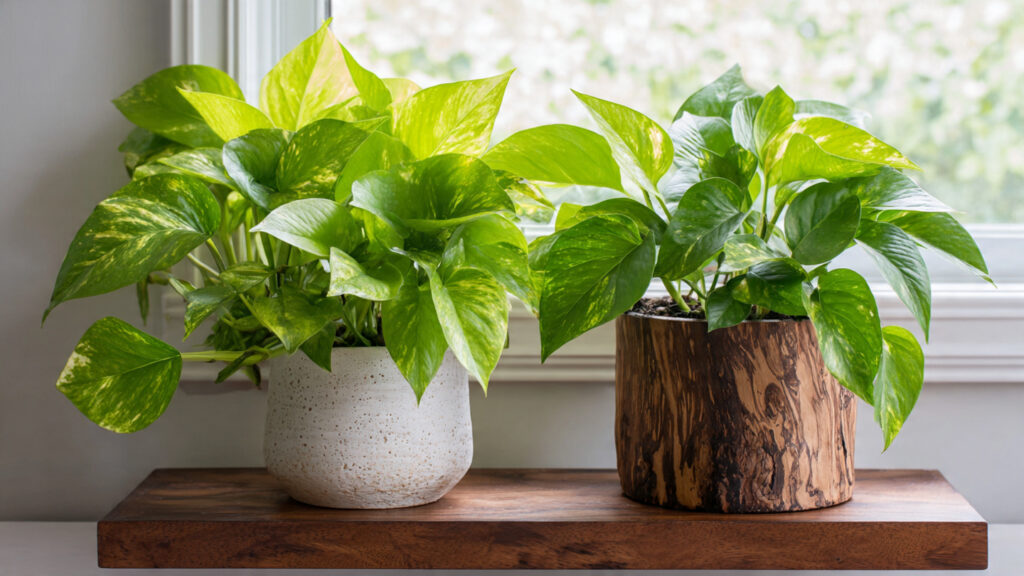
Pothos, also known as Devil’s Ivy, is one of the most popular indoor plants worldwide. Its trailing vines, heart-shaped leaves, and remarkable tolerance for low light make it a favorite for apartments, offices, and homes. But even this hardy plant can thrive even more vibrantly with proper fertilization. Fertilizing pothos the right way ensures lush, glossy leaves, rapid growth, and overall plant health all year long.
Here’s a detailed guide on how to fertilize pothos like a pro, whether you are a beginner or an experienced indoor gardener.
Why Fertilizing Pothos Is Important
Pothos is resilient, but without proper nutrients, its leaves may turn pale, yellow, or lose their sheen. Fertilization is essential because:
- Promotes Leaf Growth: Nutrients help produce bigger, glossier leaves.
- Supports Root Health: A strong root system ensures the plant absorbs water and nutrients efficiently.
- Enhances Color: Fertilizer encourages variegation patterns to remain vivid.
- Boosts Overall Health: Proper feeding prevents nutrient deficiencies, keeping the plant vigorous and disease-resistant.
Even hardy plants like pothos need a little nutritional boost to reach their full potential.
Understanding Pothos Nutrient Needs
Before you fertilize, it’s important to know what pothos requires:
- Nitrogen (N): Encourages leafy growth and vibrant green color.
- Phosphorus (P): Supports root development and strengthens stems.
- Potassium (K): Enhances overall plant vigor and disease resistance.
- Micronutrients: Elements like magnesium, calcium, and iron are essential for photosynthesis and leaf health.
A balanced fertilizer containing NPK and essential micronutrients is ideal for healthy pothos growth.
Types of Fertilizers Suitable for Pothos
There are several types of fertilizers that work well for pothos:
1. Liquid Fertilizers
- Quick-acting and easy to apply.
- Dissolve in water and feed every 2–4 weeks during the growing season.
- Ideal for small indoor containers and potted plants.
2. Slow-Release Fertilizers
- Gradually release nutrients over time.
- Require less frequent application (every 3–4 months).
- Reduce the risk of over-fertilization, making them great for busy plant owners.
3. Organic Fertilizers
- Examples: worm castings, compost tea, fish emulsion.
- Provide nutrients naturally and improve soil structure.
- Eco-friendly and safe for pets and children.
Tip: Avoid over-fertilizing pothos, as excess nutrients can burn roots or cause leaf damage.
Step 1: Determine the Right Fertilizer Ratio
For pothos, a balanced fertilizer like 10-10-10 or 20-20-20 works well. For faster leaf growth, a higher nitrogen ratio (e.g., 20-10-10) can encourage lush greenery.
- Spring & Summer: Pothos grows actively; feed more frequently.
- Fall & Winter: Growth slows; reduce or skip fertilizer to avoid nutrient buildup.
Step 2: Apply Fertilizer Correctly
Follow these tips for effective fertilization:
- Dilution Matters: Indoor plants need weaker fertilizer than outdoor plants. Use half the recommended strength to avoid burning roots.
- Water Before Fertilizing: Moist soil prevents fertilizer from directly contacting roots, which can cause burns.
- Feed at the Base: Pour liquid fertilizer around the soil, not on the leaves.
- Slow Release: If using granular or slow-release fertilizer, sprinkle evenly on the soil surface.
Tip: Always follow the instructions on fertilizer packaging and err on the side of caution — pothos thrives on moderate feeding rather than excess.
Step 3: Fertilize According to Growth Stage
The feeding frequency should align with your pothos’ growth stage:
- Young Plants / Newly Potted: Feed lightly every 4–6 weeks to avoid stressing new roots.
- Mature Plants: Fertilize every 2–4 weeks during active growth periods.
- Dormant Periods (Winter): Reduce or stop fertilization, as the plant’s growth slows naturally.
Step 4: Monitor Plant Response
A healthy, fertilized pothos will show:
- Vibrant, glossy leaves
- Faster growth and longer vines
- Consistent leaf size and shape
Signs of over-fertilization include:
- Yellow or brown leaf tips
- Wilting despite adequate watering
- Salt buildup on soil surface
If these occur, flush the soil with water to remove excess fertilizer and adjust the feeding schedule.
➡️ How to Grow Malabar Spinach from Cuttings for Fast, Easy Greens
➡️ How to Grow Super Delicious Cabbage at Home Without a Garden
➡️ How to Grow Bean Sprouts at Home in Plastic Bottles Easily (Step‑by‑Step Guide)
➡️ Why is Your Lemon Tree Blooming in the Heart of Winter?
➡️ Why Should Your Garden Have a Dedicated Pollinator Highway?
➡️ Why Do Your Fruit Trees Need a Winter Wash to Thrive in Spring?
➡️ How Can Rice Water Transform Your Fruits into Sweeter Delights?
➡️ Jumpstart Your Winter Garden: Seed Starting Under Lights
Step 5: Complement Fertilization with Proper Care
Fertilizer alone won’t ensure lush pothos; it works best alongside good care:
- Lighting: Bright, indirect light supports optimal growth. Avoid direct sunlight, which can scorch leaves.
- Watering: Water when the top inch of soil feels dry. Overwatering can dilute nutrients and lead to root rot.
- Pruning: Trim leggy vines to encourage bushier growth and redirect nutrients to new leaves.
- Repotting: Fresh soil every 12–18 months replenishes nutrients and prevents compaction.
Organic Boosters for Lush Leaves
In addition to standard fertilizers, consider natural boosters:
- Banana Peel Tea: Provides potassium for stronger leaves.
- Coffee Grounds: Supplies nitrogen for green foliage.
- Epsom Salt: Magnesium helps maintain leaf glossiness and prevents yellowing.
Use these supplements sparingly, about once a month, to enhance foliage without overloading the plant.
Common Mistakes to Avoid
Even experienced plant owners sometimes make fertilization errors:
- Over-Fertilizing: Leads to leaf burn and poor root health.
- Using High-Phosphorus Fertilizer: Phosphorus promotes flowers, not leaves — not ideal for pothos.
- Fertilizing Dry Soil: Can damage roots. Always water first.
- Ignoring Dormancy: Feeding during slow growth periods wastes nutrients and can harm the plant.
Avoid these pitfalls to maintain vibrant, glossy pothos year-round.
Benefits of Proper Fertilization
When done correctly, fertilization transforms your pothos:
- Lush Growth: Bigger, healthier leaves with deep green color.
- Glossy Leaves: Nutrients support cell structure and leaf sheen.
- Longer Vines: Rapid trailing growth enhances decorative appeal.
- Resilience: Well-fed pothos withstands occasional neglect, low light, and minor stress.
Fertilized pothos aren’t just beautiful — they’re more robust and long-lasting.
Conclusion: Nurture Your Pothos Like a Pro
Fertilizing pothos is a simple but powerful way to elevate your indoor plant collection. By understanding nutrient requirements, choosing the right fertilizer, applying it correctly, and complementing it with proper care, you can enjoy lush, glossy leaves all year.
Remember: moderation is key. Consistent, well-timed feeding paired with optimal watering and lighting ensures your pothos thrives without stress. With these steps, your indoor vines will grow faster, leaves will shine, and your home will be filled with the vibrant green charm that only a healthy pothos can bring.
So grab your fertilizer, prepare your soil, and give your pothos the nutrients it deserves — because a well-fed pothos is a happy, thriving plant!