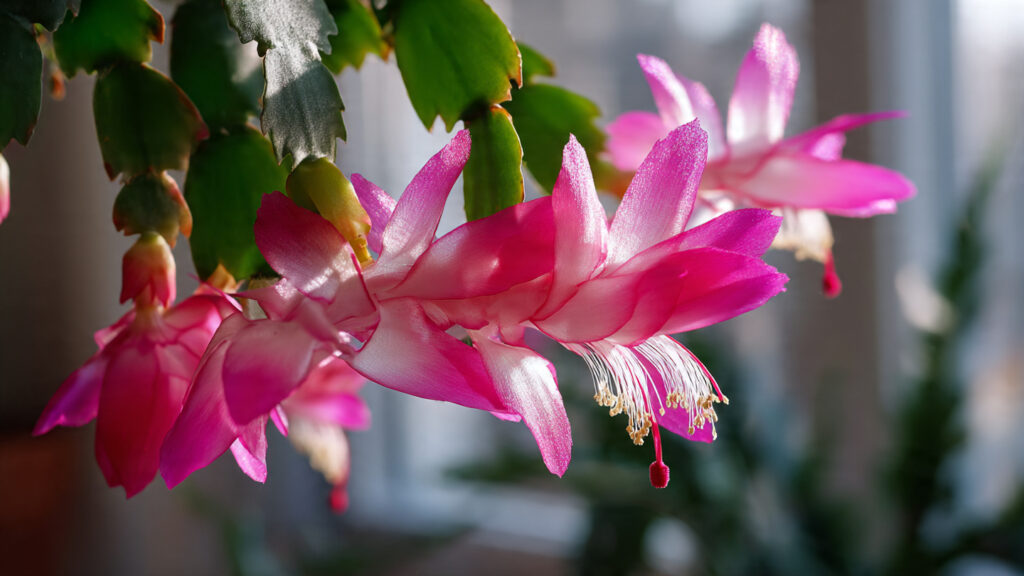
Your Christmas cactus dazzled you in December. Its cascading stems were covered in vibrant pink, red, or white blooms just in time for the holidays. But now it’s January, the flowers are fading, and the plant looks… tired.
Many people assume the blooming season is over until next winter. However, with the right care in January, you can strengthen your plant and even encourage a second round of blooms later in the year.
The key is understanding what your Schlumbergera bridgesii truly needs during this recovery period. January is not a time to neglect it — it’s the foundation for its next flowering cycle.
Let’s break down exactly what to do.
First: Understand the Bloom Cycle
Christmas cactus is not a desert cactus. It’s a tropical epiphyte native to Brazilian rainforests. In nature, it grows attached to trees in humid, shaded environments.
Unlike many houseplants, it blooms in response to:
- Shorter daylight hours
- Cooler nighttime temperatures
- A period of rest before bud formation
After flowering, the plant naturally enters a recovery phase. January care determines whether it rebounds strongly or struggles for the rest of the year.
Step 1: Remove Spent Blooms Properly
Once flowers fade, gently twist them off at the base of the bloom.
Why this matters:
- Prevents energy waste on seed production
- Redirects nutrients into stem growth
- Keeps the plant tidy and healthy
Do not aggressively prune stems yet. January is about light cleanup, not reshaping.
Step 2: Adjust Watering (But Don’t Starve It)
One of the biggest mistakes people make in January is either:
- Continuing heavy holiday watering
- Or suddenly stopping water altogether
After blooming, your Christmas cactus needs slightly less water — but not dryness.
What It Actually Needs:
- Allow the top inch of soil to dry before watering
- Water thoroughly, then let excess drain completely
- Never let the plant sit in water
Because it’s tropical, prolonged drought stresses it. But soggy soil can cause root rot, especially in cooler winter conditions.
Balanced moisture supports recovery growth.
Step 3: Provide Bright, Indirect Light
January sunlight can be weaker, but placement still matters.
➡️ How to Grow Malabar Spinach from Cuttings for Fast, Easy Greens
➡️ How to Grow Super Delicious Cabbage at Home Without a Garden
➡️ How to Grow Bean Sprouts at Home in Plastic Bottles Easily (Step‑by‑Step Guide)
➡️ Why is Your Lemon Tree Blooming in the Heart of Winter?
➡️ Why Should Your Garden Have a Dedicated Pollinator Highway?
➡️ Why Do Your Fruit Trees Need a Winter Wash to Thrive in Spring?
➡️ How Can Rice Water Transform Your Fruits into Sweeter Delights?
➡️ Jumpstart Your Winter Garden: Seed Starting Under Lights
Ideal conditions:
- Bright, indirect light
- Near an east- or north-facing window
- Avoid harsh direct afternoon sun
If the plant was moved for holiday display, return it to a consistent bright location now. Stability reduces stress.
Step 4: Lower Temperatures Slightly
To prepare for potential reblooming later, Christmas cactus benefits from cooler temperatures after flowering.
Target range:
- 60–68°F (15–20°C)
Avoid placing it near:
- Heating vents
- Radiators
- Fireplaces
Dry heat is the enemy of tropical plants. If indoor air is dry, consider increasing humidity with a pebble tray or room humidifier.
Step 5: Skip Fertilizer — For Now
January is not feeding season.
Right after blooming, the plant is resting. Fertilizing too early can cause weak, leggy growth instead of strong stem development.
Resume feeding:
- In late February or early March
- With a diluted balanced houseplant fertilizer
- Every 4–6 weeks during active growth
Patience here pays off later.
Step 6: Give It a Short Rest Period
Many gardeners don’t realize that Christmas cactus needs a defined rest phase before producing more buds.
After flowering:
- Reduce watering slightly
- Keep temperatures moderately cool
- Avoid fertilizer
- Maintain consistent light
This rest period typically lasts 4–6 weeks.
Skipping this step often prevents reblooming.
Step 7: Consider Light Pruning (Late January)
If stems look overly long or unbalanced, you can gently prune after flowering ends.
How to prune:
- Pinch or cut 1–2 segments at a joint
- Use clean scissors
- Never remove more than one-third of the plant
Pruning encourages branching, which leads to more potential bloom sites later.
Bonus: The removed segments can be rooted easily to grow new plants.
Step 8: Check the Soil Condition
January is an excellent time to evaluate potting mix health.
Signs it may need refreshing:
- Soil staying wet too long
- Compacted or hard surface
- White mineral buildup
Christmas cactus prefers:
- Well-draining mix
- Slightly acidic soil
- Orchid mix blended with potting soil works well
If repotting is needed, wait until early spring unless roots are severely bound.
Step 9: Understand the Possibility of a Second Bloom
With proper January care, your Christmas cactus may bloom again in late winter or early spring.
Some plants also rebloom around Easter if conditions are ideal.
To trigger additional blooms later:
- Provide 12–14 hours of darkness nightly for several weeks
- Maintain cool nighttime temperatures
- Avoid moving the plant once buds form
Consistency is crucial. Even rotating the pot after buds appear can cause bud drop.
Common January Mistakes to Avoid
❌ Overwatering
Leads to root rot during cooler months.
❌ Placing Near Heat Sources
Dry air causes bud drop and shriveled segments.
❌ Immediate Heavy Fertilizing
Pushes weak vegetative growth.
❌ Major Repotting Shock
January is recovery time, not transplant season.
What Healthy January Growth Looks Like
After flowers fade and rest begins, you should notice:
- Firm, plump green segments
- No shriveling or mushy stems
- Slow but steady stabilization
- No yellowing
Healthy recovery now means stronger bud formation later.
The Bigger Picture: Annual Bloom Success
If you want reliable yearly flowering, think of the Christmas cactus cycle in three phases:
- Post-Bloom Recovery (January–February)
Light care, cooler temps, no fertilizer. - Active Growth (Spring–Summer)
Regular feeding, bright light, moderate watering. - Bud Formation Trigger (Fall)
Long nights, cooler evenings, reduced watering.
January may seem like downtime, but it sets the tone for the entire cycle.
A Simple January Care Checklist
✔ Remove spent blooms
✔ Maintain bright indirect light
✔ Water when top inch is dry
✔ Keep temperatures cool but stable
✔ Avoid fertilizer for 4–6 weeks
✔ Protect from dry heat
✔ Light pruning if needed
Small, consistent care changes make a dramatic difference.
Final Thoughts
Your Christmas cactus isn’t finished after December — it’s simply transitioning. January is a quiet but critical month. Instead of ignoring the plant once the holiday display fades, think of this period as its reset phase.
By providing gentle care, balanced moisture, cooler temperatures, and patience, you give your Schlumbergera bridgesii exactly what it needs to recover and prepare for another spectacular bloom cycle.
Treat January as the foundation, not the end.