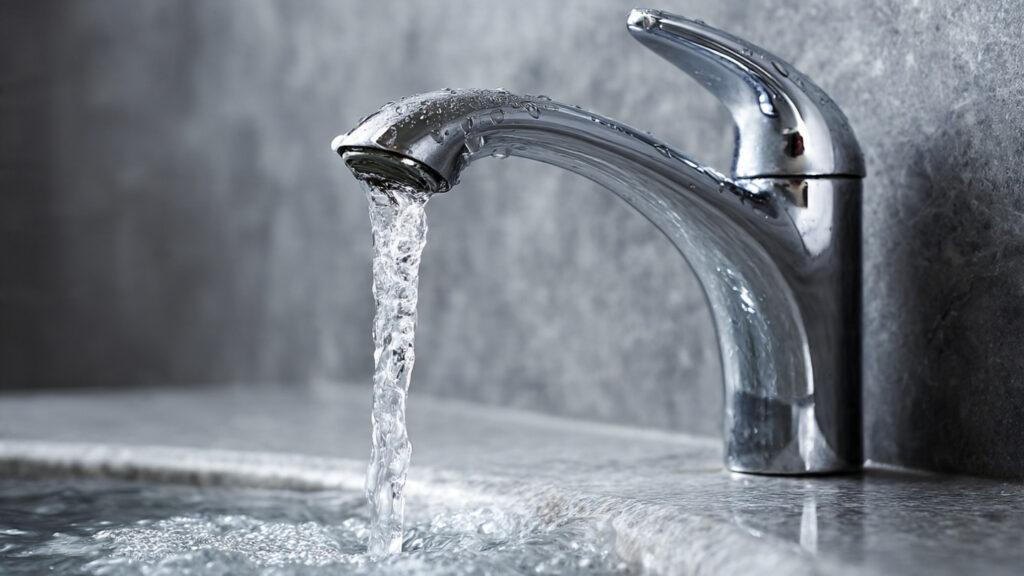
If you’ve noticed a crusty, white buildup around your faucets, you’re not alone. That stubborn deposit is calcium—one of the most common signs of hard water in homes. While it may seem harmless at first, over time, calcium buildup can affect your faucet’s functionality, reduce water flow, and even damage its finish if not cleaned properly. But before you grab that harsh scrubber or chemical cleaner, it’s important to understand the safest, most effective way to remove calcium without ruining your faucet.
In this article, we’ll cover everything you need to know: why calcium buildup happens, the right cleaning methods, and tips for keeping your faucets looking pristine for years to come.
Why Calcium Buildup Happens
Calcium is a natural mineral found in water. In areas with hard water, the levels of calcium and magnesium are higher, causing these minerals to settle on surfaces where water frequently comes in contact. Over time, faucets, showerheads, and sinks develop a white, chalky layer known as limescale.
This buildup is not just unsightly. Calcium deposits can:
- Reduce water flow: Clogs form in faucet aerators, making your water stream weak.
- Damage finishes: Scrubbing too hard or using the wrong chemical cleaners can scratch or discolor your faucets.
- Shorten faucet lifespan: Persistent deposits can corrode metals, particularly brass and chrome, leading to leaks or costly repairs.
Understanding why calcium forms is the first step toward removing it safely.
Signs Your Faucet Needs a Calcium Cleanup
You might not notice calcium buildup until it becomes more than a minor annoyance. Common signs include:
- White or chalky rings: Usually around the base or nozzle of your faucet.
- Sluggish water flow: Aerators clogged with calcium reduce water pressure.
- Dull or stained finish: Hard water minerals can leave a cloudy film.
- Rattling or dripping faucets: Mineral buildup inside can interfere with the mechanism.
If any of these signs appear, it’s time for a proper cleaning.
The Safe Way to Remove Calcium Without Damaging Your Faucet
Many people make the mistake of using harsh chemicals or abrasive scrubbers, which can permanently damage finishes like chrome, stainless steel, or brushed nickel. Instead, the best approach combines natural ingredients, gentle tools, and patience.
1. Gather Your Supplies
You’ll need:
- White vinegar (the natural acid helps dissolve calcium)
- Baking soda (optional, for tough deposits)
- A soft cloth or microfiber towel
- An old toothbrush or small brush with soft bristles
- Rubber gloves (to protect your hands)
- A plastic bag and rubber band (for soaking faucet heads)
2. Soak the Faucet Aerator in Vinegar
Faucet aerators—the mesh screen at the tip of your faucet—are often the hardest hit by calcium buildup.
Steps:
- Unscrew the aerator from the faucet.
- Place it in a small bowl filled with white vinegar.
- Let it soak for at least 30 minutes. For heavy deposits, leave it overnight.
- Use a soft brush to scrub away remaining mineral deposits.
- Rinse thoroughly and reattach.
This method safely removes buildup without scratching the metal.
3. Remove Surface Calcium Deposits
For visible white deposits on the faucet body:
- Soak a soft cloth in vinegar.
- Wrap the cloth around the affected area.
- Leave it for 15–30 minutes.
- Remove the cloth and gently wipe with a damp cloth.
- If any residue remains, dip your toothbrush in vinegar and gently scrub.
Tip: Never use steel wool or abrasive pads—they can permanently scratch your faucet.
4. Tackle Stubborn Buildup with Baking Soda
If calcium deposits are thick:
➡️ How to Grow Malabar Spinach from Cuttings for Fast, Easy Greens
➡️ How to Grow Super Delicious Cabbage at Home Without a Garden
➡️ How to Grow Bean Sprouts at Home in Plastic Bottles Easily (Step‑by‑Step Guide)
➡️ Why is Your Lemon Tree Blooming in the Heart of Winter?
➡️ Why Should Your Garden Have a Dedicated Pollinator Highway?
➡️ Why Do Your Fruit Trees Need a Winter Wash to Thrive in Spring?
➡️ How Can Rice Water Transform Your Fruits into Sweeter Delights?
➡️ Jumpstart Your Winter Garden: Seed Starting Under Lights
- Make a paste using 2 parts baking soda and 1 part water.
- Apply the paste to the calcium buildup.
- Let it sit for 10–15 minutes.
- Gently scrub with a soft brush.
- Wipe clean with a damp cloth and dry.
Baking soda is mildly abrasive but safe enough to use on most faucet finishes.
5. Rinse and Dry Thoroughly
After any cleaning, always rinse your faucet with clean water to remove vinegar or baking soda residue. Dry thoroughly with a soft cloth to prevent water spots and future mineral deposits.
Preventing Calcium Buildup in the Future
Once your faucet is sparkling clean, the goal is to keep it that way. Here are simple strategies to prevent calcium buildup:
- Use a water softener: If your water is extremely hard, installing a water softener reduces calcium and magnesium levels.
- Wipe faucets dry after use: Mineral deposits form faster when water is allowed to sit.
- Regular vinegar maintenance: Once a month, wipe faucets with a vinegar-soaked cloth to prevent buildup from forming.
- Install aerator filters: Some aerators have built-in filters that reduce mineral accumulation.
Common Mistakes to Avoid
Even with the best intentions, people often damage their faucets while trying to remove calcium. Avoid these mistakes:
- Using harsh chemicals: Products containing hydrochloric acid or bleach can damage finishes.
- Scrubbing with steel wool or metal brushes: These leave permanent scratches.
- Neglecting aerators: Even if the faucet looks clean, clogged aerators reduce water flow.
- Over-soaking plastic components: Vinegar can degrade certain plastics, so remove any plastic parts before soaking.
By sticking to gentle, natural cleaning methods, you’ll preserve your faucet’s finish and function.
When to Call a Professional
Sometimes, calcium buildup can be so severe that DIY methods aren’t enough. Consider professional help if:
- Water flow remains weak after cleaning aerators.
- The faucet is leaking due to internal mineral deposits.
- You notice corrosion or pitting on the metal surface.
A plumber can disassemble the faucet, remove internal buildup, and ensure no damage occurs.
Final Thoughts
Calcium buildup is more than just a cosmetic nuisance. Left unchecked, it can harm your faucet’s performance and appearance. Fortunately, with a few household items like vinegar and baking soda, a soft brush, and a little patience, you can safely remove deposits and prevent them from returning.
Remember the key principles:
- Always use gentle, non-abrasive cleaners.
- Soak aerators and heavily affected areas in vinegar.
- Use baking soda paste for stubborn spots.
- Rinse thoroughly and dry completely.
- Prevent future buildup with routine maintenance and water-softening solutions.
By following these steps, you’ll enjoy a sparkling faucet, uninterrupted water flow, and a longer-lasting fixture. Calcium buildup may be common, but with the right approach, it doesn’t have to be permanent—or destructive.