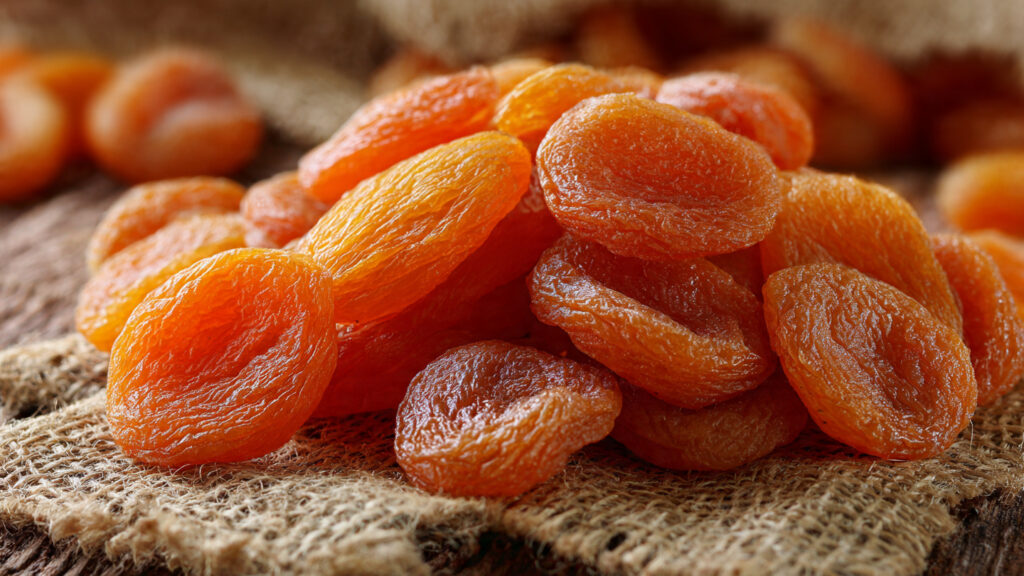
Dried apricots, also known as khumani, have been a beloved fruit in kitchens and herbal remedies around the world for centuries. Sweet, tangy, and nutrient-dense, these little dried fruits are more than just a tasty snack—they are a powerhouse of health benefits. Packed with vitamins, minerals, antioxidants, and dietary fiber, dried apricots can contribute to overall well-being in a multitude of ways. Whether eaten on their own, added to cereals, baked into desserts, or blended into smoothies, khumani offers a natural boost to your health.
In this article, we’ll explore seven compelling health benefits of consuming dried apricots and why you might consider adding them to your daily diet.
1. Rich Source of Essential Nutrients
Dried apricots are a concentrated source of many essential nutrients because the drying process removes water while retaining vitamins and minerals. Some key nutrients found in khumani include:
- Vitamin A (Beta-Carotene): Supports vision, immune function, and skin health.
- Vitamin C: Although slightly reduced during drying, it still contributes to antioxidant defense.
- Potassium: Helps regulate blood pressure, muscle contractions, and nerve signaling.
- Iron: Essential for red blood cell production and preventing anemia.
- Fiber: Promotes digestive health and satiety.
A handful of dried apricots can provide a significant portion of your daily nutrient requirements, making them a convenient and nutrient-rich snack.
2. Supports Digestive Health
One of the most notable benefits of khumani is its positive effect on digestion. Dried apricots are high in dietary fiber, particularly soluble fiber, which absorbs water and forms a gel-like substance in the gut. This:
- Promotes regular bowel movements
- Prevents constipation
- Helps maintain healthy gut flora
Additionally, fiber slows down digestion, which can help with stable blood sugar levels and improved nutrient absorption. For those prone to digestive discomfort, incorporating a small portion of dried apricots daily can be a gentle and natural solution.
3. Promotes Eye Health
Vitamin A, primarily in the form of beta-carotene, is abundant in dried apricots. Beta-carotene is converted into vitamin A in the body, which is crucial for:
- Maintaining good vision
- Preventing age-related macular degeneration
- Reducing the risk of night blindness
Eating khumani regularly can support your eye health, especially in combination with other vitamin A-rich foods like carrots, sweet potatoes, and leafy greens. Its antioxidant properties also help protect the eyes from oxidative damage caused by free radicals.
4. Boosts Heart Health
Dried apricots contribute to cardiovascular health in several ways:
- High potassium content: Helps maintain normal blood pressure by balancing sodium levels.
- Dietary fiber: Reduces LDL cholesterol (the “bad” cholesterol) and promotes overall heart health.
- Antioxidants: Protect heart cells from oxidative stress and inflammation.
Consuming khumani as part of a balanced diet may lower the risk of heart disease and support better circulation. For individuals with hypertension or cardiovascular concerns, the potassium and fiber in dried apricots can be particularly beneficial.
5. Enhances Bone Health
While calcium is often emphasized for bone health, potassium, magnesium, and vitamin K also play critical roles. Dried apricots contain:
- Potassium: Helps neutralize bone-depleting acids in the body, reducing calcium loss from bones.
- Magnesium: Supports bone mineralization and structural development.
- Vitamin K (in small amounts): Assists in bone metabolism and prevents fractures.
Regular consumption of khumani, alongside other nutrient-rich foods like leafy greens and dairy, can strengthen bones and reduce the risk of osteoporosis in later life.
6. Supports Healthy Skin and Hair
The antioxidant properties and nutrients in dried apricots make them excellent for maintaining glowing skin and strong hair:
- Vitamin A: Promotes skin repair, reduces wrinkles, and improves texture.
- Vitamin C: Supports collagen production, essential for skin elasticity and healing.
- Iron: Prevents hair loss by aiding in oxygen transport to hair follicles.
Adding khumani to your diet can nourish your skin and hair from within, providing a natural alternative to costly cosmetic products. The natural sugars in dried apricots also give a subtle energy boost for your cells, keeping them vibrant.
7. May Help Regulate Blood Sugar
Although dried apricots are naturally sweet, they have a low glycemic index due to their fiber content. This means they release sugar slowly into the bloodstream, helping to:
➡️ How to Grow Malabar Spinach from Cuttings for Fast, Easy Greens
➡️ How to Grow Super Delicious Cabbage at Home Without a Garden
➡️ How to Grow Bean Sprouts at Home in Plastic Bottles Easily (Step‑by‑Step Guide)
➡️ Why is Your Lemon Tree Blooming in the Heart of Winter?
➡️ Why Should Your Garden Have a Dedicated Pollinator Highway?
➡️ Why Do Your Fruit Trees Need a Winter Wash to Thrive in Spring?
➡️ How Can Rice Water Transform Your Fruits into Sweeter Delights?
➡️ Jumpstart Your Winter Garden: Seed Starting Under Lights
- Prevent sudden spikes in blood sugar
- Support stable energy levels
- Reduce cravings for processed sugary snacks
For individuals managing type 2 diabetes or looking to maintain healthy blood sugar levels, khumani can be a smart addition to meals or snacks, especially when paired with protein or healthy fats.
How to Incorporate Dried Apricots Into Your Diet
There are numerous ways to enjoy khumani throughout the day:
- As a snack: Eat 3–5 dried apricots on their own between meals.
- In breakfast: Chop and add to oatmeal, cereal, or yogurt for extra flavor and nutrients.
- In baking: Include in muffins, bread, or energy bars for natural sweetness.
- In salads: Add thinly sliced apricots to leafy green or grain salads.
- In smoothies: Blend with nuts, seeds, and milk for a nutrient-packed drink.
Tip: Because dried apricots are concentrated in sugar and calories, moderation is key. A small handful daily provides maximum benefits without excess calories.
Tips for Choosing the Best Dried Apricots
Not all dried apricots are created equal. To maximize health benefits:
- Opt for unsulfured or organically dried apricots to avoid added preservatives.
- Check the sugar content: Avoid varieties with added sugar or syrup.
- Store properly: Keep them in airtight containers in a cool, dark place to preserve nutrients.
These small steps ensure that you enjoy the natural goodness of khumani without unnecessary additives.
Who Should Be Cautious With Dried Apricots?
While dried apricots are healthy, some individuals should consume them in moderation:
- Those with diabetes: Monitor portion size, as natural sugars can still affect blood glucose.
- Individuals prone to kidney stones: High potassium and oxalate content may affect people susceptible to kidney stone formation.
- People with digestive issues: Excess fiber can cause bloating if eaten in large quantities.
For most healthy adults, however, khumani is safe and highly beneficial.
Conclusion
Dried apricots or khumani are more than just a sweet, chewy treat—they are a nutrient powerhouse with a wide range of health benefits. From improving digestion and heart health to supporting eye, bone, and skin health, khumani deserves a place in your daily diet. Its fiber, vitamins, minerals, and antioxidants make it an ideal natural snack, adding both flavor and wellness to your meals.
Incorporating dried apricots into your routine is simple, versatile, and enjoyable. Whether eaten alone, added to cereals, baked into desserts, or blended into smoothies, khumani is a delicious and convenient way to enhance your overall health.
By enjoying these dried fruits regularly and mindfully, you can experience all seven of these incredible health benefits while savoring a sweet, natural snack that nourishes your body from the inside out.