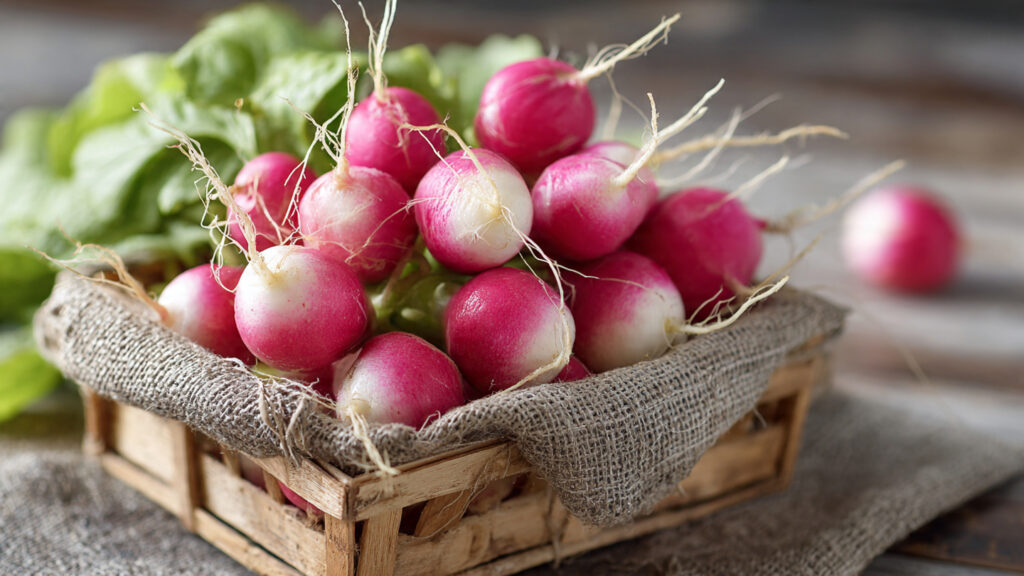
Muli, commonly known as radish (Raphanus sativus), is a humble yet highly nutritious root vegetable that has been part of traditional diets around the world for centuries. While often used in salads, pickles, or garnishes, radish is far more than just a crunchy, spicy accompaniment to meals. Its vibrant flavor is matched by an impressive array of health benefits, making it a powerhouse of nutrition. From boosting digestion to supporting heart health, incorporating radish into your diet can enhance overall wellness in multiple ways. In this article, we explore six key health benefits of muli or radish and why this root deserves a permanent spot in your kitchen.
1. Improves Digestion and Detoxifies the Body
One of the primary health benefits of radish is its ability to improve digestion and cleanse the digestive system. Radishes are rich in dietary fiber, which:
- Promotes healthy bowel movements and prevents constipation.
- Supports a balanced gut microbiome by feeding beneficial bacteria.
- Helps regulate stomach acid and reduces bloating or indigestion.
Additionally, radish contains compounds that help detoxify the liver and kidneys. Its natural diuretic properties encourage the elimination of toxins and excess water from the body, promoting overall digestive and renal health. Including raw or lightly cooked radish in your diet can gently cleanse your system while supporting smooth digestive function.
2. Supports Weight Loss and Management
For those aiming to maintain a healthy weight, radish is an excellent dietary choice. This root vegetable is:
- Low in calories yet high in fiber, keeping you fuller for longer.
- Rich in water content, which helps hydrate and create a sense of satiety.
- A natural metabolism booster due to its nutrient composition.
Eating radish as a snack or in salads can reduce unhealthy cravings, while its high fiber content helps control blood sugar spikes, which are often linked to weight gain. Its combination of low calories, hydration, and satiety makes it an ideal addition to weight management diets.
3. Strengthens Immunity
Radishes are packed with vitamin C, an essential nutrient that plays a key role in boosting the immune system. Vitamin C:
- Stimulates the production of white blood cells, which defend against infections.
- Acts as a powerful antioxidant, neutralizing free radicals and reducing oxidative stress.
- Supports healthy skin, which acts as a natural barrier to pathogens.
Regular consumption of radish can enhance your body’s ability to fight off colds, flu, and other common infections. Additionally, radish’s antibacterial and antiviral properties provide an extra layer of protection for your immune system.
4. Promotes Heart Health
Maintaining a healthy heart is crucial for overall wellness, and radish can contribute significantly to cardiovascular health. Here’s how:
- Fiber: Helps lower cholesterol levels by reducing LDL (“bad”) cholesterol in the bloodstream.
- Potassium: Regulates blood pressure by balancing sodium levels in the body.
- Antioxidants: Reduce oxidative stress, which can damage blood vessels and increase heart disease risk.
By incorporating radish into your diet, you may lower the risk of hypertension, atherosclerosis, and other cardiovascular conditions. Whether eaten raw, in salads, or as a juice, radish is a heart-friendly root that supports circulatory health naturally.
5. Aids in Respiratory Health
Muli or radish has been used in traditional medicine for centuries to relieve respiratory issues. It contains compounds that:
- Help clear mucus from the lungs and sinuses.
- Reduce symptoms of asthma, bronchitis, and congestion.
- Act as a natural expectorant, making it easier to expel phlegm.
Radish can be especially beneficial during seasonal colds or respiratory infections. Consuming raw radish, radish juice, or even radish-based soups can support the respiratory system and ease breathing difficulties.
6. Supports Skin and Hair Health
Radish’s nutrient profile is also beneficial for skin and hair care. Some of the key components include:
- Vitamin C: Boosts collagen production, which maintains skin elasticity and prevents premature aging.
- Zinc: Helps heal wounds, reduce acne, and improve overall skin health.
- Antioxidants: Protect skin cells from free radical damage.
- Silica: Strengthens hair and nails.
Applying radish-based remedies topically or consuming it regularly can help reduce skin inflammation, acne, and dullness, while promoting strong, healthy hair. Even in small amounts, radish can contribute significantly to natural beauty and wellness.
Additional Benefits of Muli
Beyond the six major health benefits mentioned above, radish offers several other advantages:
- Blood Sugar Regulation: The fiber and antioxidants in radish help stabilize blood sugar levels, making it beneficial for diabetics.
- Anti-Cancer Properties: Certain compounds in radish, such as glucosinolates, have been studied for their potential to reduce cancer risk.
- Bone Health: Radish contains calcium, magnesium, and vitamin K, all of which support strong and healthy bones.
- Anti-Inflammatory Effects: Natural phytochemicals in radish can reduce inflammation in the body, alleviating conditions like arthritis or joint pain.
With such a wide range of benefits, radish truly qualifies as a superfood that is easy to incorporate into everyday meals.
➡️ How to Grow Malabar Spinach from Cuttings for Fast, Easy Greens
➡️ How to Grow Super Delicious Cabbage at Home Without a Garden
➡️ How to Grow Bean Sprouts at Home in Plastic Bottles Easily (Step‑by‑Step Guide)
➡️ Why is Your Lemon Tree Blooming in the Heart of Winter?
➡️ Why Should Your Garden Have a Dedicated Pollinator Highway?
➡️ Why Do Your Fruit Trees Need a Winter Wash to Thrive in Spring?
➡️ How Can Rice Water Transform Your Fruits into Sweeter Delights?
➡️ Jumpstart Your Winter Garden: Seed Starting Under Lights
Ways to Include Radish in Your Diet
Radish is versatile and can be enjoyed in multiple forms. Some easy ways to include it in your meals are:
- Raw in Salads: Slice or grate radish to add a peppery crunch to salads.
- Pickled Radish: Fermented or pickled radish enhances flavor and adds probiotics.
- Radish Juice: Fresh juice with a little lemon and honey can boost immunity and aid digestion.
- Cooked Dishes: Add radish to soups, stews, or stir-fries while retaining some of its crunch and flavor.
- Radish Leaves: Don’t discard the greens—they are rich in nutrients and can be cooked like spinach or added to soups.
Experimenting with different preparation methods can help you enjoy radish daily without getting bored of the taste.
Tips for Buying and Storing Radish
To maximize the health benefits, choose fresh, firm radishes with bright skin. Avoid radishes that are soft, shriveled, or have yellowing leaves. Here are some storage tips:
- Refrigeration: Store radishes in the refrigerator in a perforated bag for up to two weeks.
- Leaf Removal: Remove the leaves before storing, as they draw moisture away from the root.
- Freezing: While radishes can be frozen, they may lose some of their crispness, so fresh consumption is preferred.
Using fresh radish ensures that you retain its vitamins, antioxidants, and other health-promoting compounds.
Precautions and Considerations
While radish is generally safe and healthy for most people, a few precautions are worth noting:
- Excess Consumption: Eating very large quantities of radish may cause bloating or gas due to its high fiber content.
- Thyroid Issues: Raw radish contains goitrogens, which may interfere with thyroid function if consumed excessively. Cooking reduces this effect.
- Allergies: Rarely, individuals may experience allergic reactions to radish, including itching or digestive discomfort.
Moderation and variety are key to gaining the benefits of radish without any adverse effects.
Conclusion
Muli or radish is far more than a simple salad ingredient—it is a nutritional powerhouse that provides multiple health benefits. From improving digestion and aiding weight management to boosting immunity, supporting heart health, and enhancing skin and hair, radish is a versatile vegetable with remarkable advantages. Its role as a natural detoxifier and respiratory aid further highlights its therapeutic potential.
Including radish in your daily diet, whether raw, cooked, pickled, or juiced, can improve overall wellness and protect against a variety of health issues. Its affordability, accessibility, and ease of preparation make it a practical choice for families seeking healthier lifestyles.
Next time you see radish at the market, remember that this simple root holds powerful health benefits—making it one of the most beneficial vegetables you can add to your diet. Incorporating it regularly can promote a stronger immune system, better digestion, and vibrant overall health for you and your family.