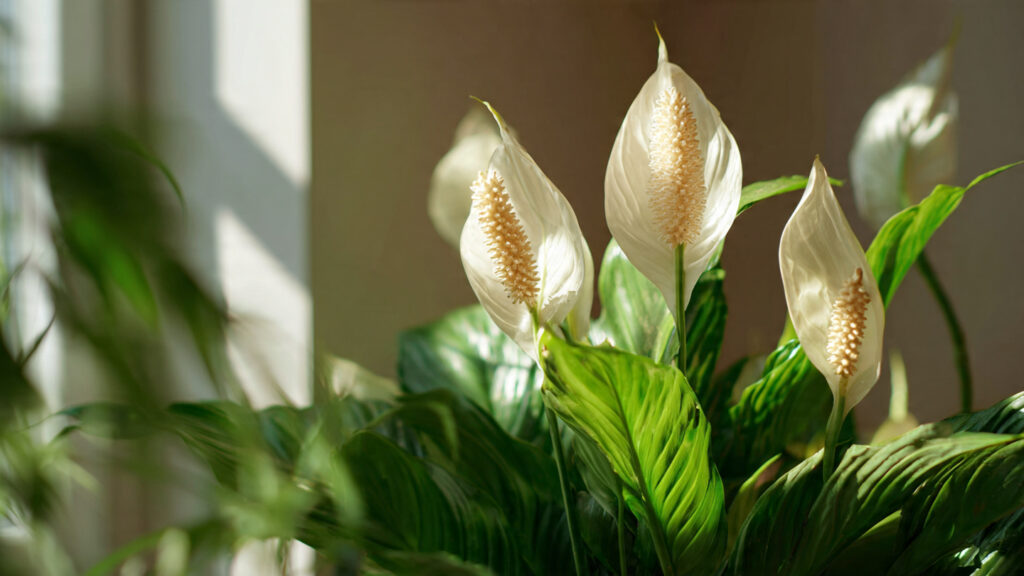
The peace lily (Spathiphyllum) is a favorite indoor plant for many gardeners, admired for its elegant white blooms and glossy green leaves. It’s often praised as low-maintenance, but even the hardiest peace lilies can develop brown, crispy leaf tips, leaving owners puzzled and concerned. Fortunately, these issues are usually a signal of environmental stress or minor care mistakes, and most can be corrected with a few simple adjustments.
In this article, we’ll explore the hidden causes of brown leaf tips on peace lilies, how to identify the problem, and practical solutions to restore your plant’s lush, healthy foliage.
Understanding the Peace Lily
Before diving into the problem, it helps to understand why peace lilies are so sensitive. Native to tropical rainforests, they thrive in warm, humid environments with indirect light. Their leaves are designed to absorb moisture from the air and soil efficiently. When environmental conditions differ from their natural habitat, stress symptoms—including brown tips—appear.
Common Causes of Brown, Crispy Tips
Several factors can lead to browning leaf tips, and it’s important to identify the underlying cause to apply the correct fix.
1. Overwatering or Underwatering
Peace lilies are sensitive to inconsistent watering.
- Overwatering: Roots may become waterlogged, leading to poor oxygen absorption. The plant reacts by browning leaf tips.
- Underwatering: If the soil dries out completely, the leaves can also turn brown and crispy as the plant becomes dehydrated.
Signs to look for:
- Yellowing leaves (often accompanying overwatering)
- Dry, curling leaves (sign of underwatering)
- Mushy roots (overwatering)
Fix:
- Check soil moisture before watering. Soil should be lightly moist, not soggy or bone-dry.
- Water thoroughly when the top inch of soil feels dry.
- Ensure your pot has proper drainage to avoid standing water.
2. Low Humidity
Peace lilies thrive in high humidity, and indoor environments, especially during winter, can be too dry. Low humidity causes leaf tips to dry out and turn brown.
Fix:
- Increase humidity by misting leaves regularly.
- Place a shallow tray of water with pebbles near the plant to create a mini-humid environment.
- Use a humidifier in the room during dry months.
3. Excessive Fertilizer
Over-fertilizing is a common mistake with indoor plants. Salt buildup from fertilizer can burn the leaf tips, creating a brown, crispy edge.
Signs to look for:
- Leaf tips brown while the base of the leaf remains green.
- White crusty residue on soil surface (salt accumulation).
Fix:
- Flush the soil with water every few months to remove excess salts.
- Fertilize sparingly during the growing season, using a diluted houseplant fertilizer.
- Avoid fertilizing during dormancy in winter.
4. Tap Water Sensitivity
Peace lilies are sensitive to chlorine, fluoride, and other chemicals in tap water, which can accumulate and cause tip burn.
Signs to look for:
- Brown tips appearing gradually on healthy leaves.
- Browning occurs even with regular watering schedules.
Fix:
➡️ How to Grow Malabar Spinach from Cuttings for Fast, Easy Greens
➡️ How to Grow Super Delicious Cabbage at Home Without a Garden
➡️ How to Grow Bean Sprouts at Home in Plastic Bottles Easily (Step‑by‑Step Guide)
➡️ Why is Your Lemon Tree Blooming in the Heart of Winter?
➡️ Why Should Your Garden Have a Dedicated Pollinator Highway?
➡️ Why Do Your Fruit Trees Need a Winter Wash to Thrive in Spring?
➡️ How Can Rice Water Transform Your Fruits into Sweeter Delights?
➡️ Jumpstart Your Winter Garden: Seed Starting Under Lights
- Use filtered or distilled water for watering.
- Let tap water sit out overnight to allow chemicals like chlorine to dissipate.
- Avoid softened water, which contains salts harmful to plants.
5. Temperature Stress
Peace lilies prefer temperatures between 65–80°F (18–27°C). Sudden drafts, cold windows, or heat from radiators can stress the plant and cause browning tips.
Fix:
- Place your plant away from cold drafts, vents, and heating sources.
- Maintain consistent indoor temperatures.
- Avoid placing the plant in direct sun, which can scorch the leaves.
6. Pests and Diseases
Although peace lilies are relatively pest-resistant, spider mites, aphids, and mealybugs can infest the plant, leading to brown leaf tips. Fungal infections may also develop if the plant is overwatered or in poorly ventilated areas.
Signs to look for:
- Tiny webs, sticky residue, or small insects on leaves.
- Dark spots on leaves beyond the tip area.
- Wilting or drooping leaves despite proper care.
Fix:
- Isolate the plant to prevent pests from spreading.
- Wipe leaves with a damp cloth or mild insecticidal soap.
- Ensure good air circulation around the plant.
- Avoid overhead watering to reduce fungal risk.
How to Repair Brown Tips
While you can’t reverse the damage already done, you can trim and care for leaves to improve appearance:
- Trim damaged tips: Use sterilized scissors to remove brown edges. Cut at a slight angle for a natural look.
- Avoid excessive trimming: Only remove the damaged portion to prevent stressing the plant further.
- Monitor recovery: Healthy new growth indicates your plant is thriving after adjustments.
Preventive Care Tips
To keep your peace lily healthy and prevent brown tips from returning:
- Water consistently: Check soil moisture regularly and water only when the top inch is dry.
- Maintain humidity: Group plants together or use a humidifier for optimal moisture.
- Use clean water: Avoid tap water with high chemical content.
- Fertilize sparingly: Stick to recommended doses during the growing season.
- Provide indirect light: Bright, filtered light is ideal; avoid direct sunlight.
- Monitor environment: Keep the plant away from drafts, heat sources, and sudden temperature changes.
Signs of a Healthy Peace Lily
A well-cared-for peace lily has:
- Glossy, vibrant green leaves without brown edges.
- Upright posture with new leaves unfurling steadily.
- White spathes (flowers) that appear during the growing season.
- Strong root system without mushy or foul-smelling roots.
Regular care and monitoring ensure your plant remains lush, vibrant, and free of stress symptoms.
Conclusion
Brown, crispy tips on a peace lily are a common problem, but they are usually a sign that something in the plant’s environment needs adjustment. By understanding the main causes—overwatering or underwatering, low humidity, excessive fertilizer, tap water sensitivity, temperature stress, and pests—you can take simple steps to restore health.
Proper care includes consistent watering, maintaining humidity, using clean water, avoiding over-fertilization, keeping the plant in the right temperature range, and monitoring for pests. Trimming damaged tips and supporting new growth will bring back the peace lily’s iconic glossy leaves.
With attention and a few preventive measures, your peace lily can thrive indoors, producing vibrant green foliage and elegant white blooms—without brown, crispy tips ruining its beauty. By addressing the hidden causes and applying simple fixes, your plant will continue to be a statement of indoor elegance and health for years to come.