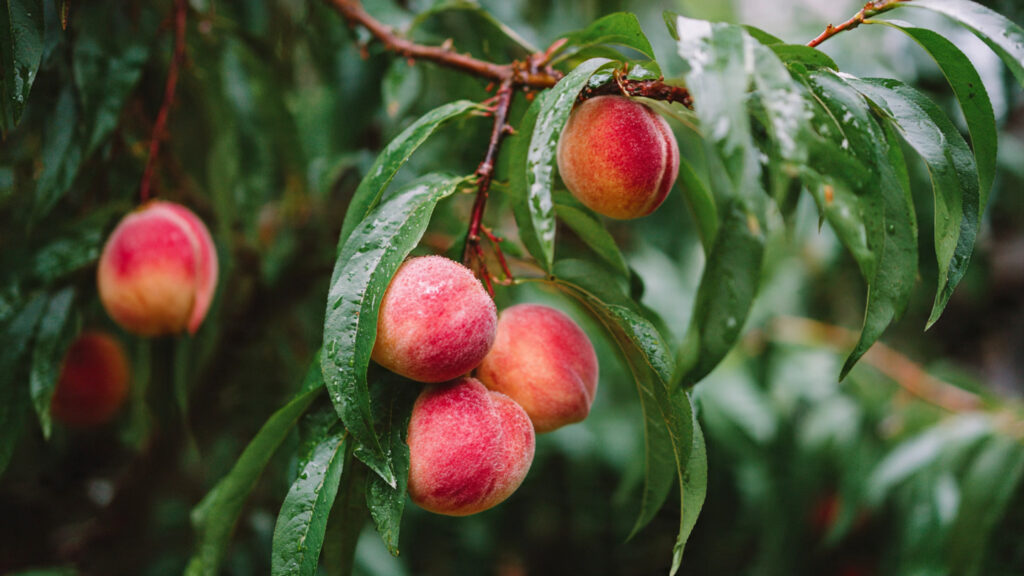
There’s something magical about growing your own fruit at home, and few things are as rewarding as a backyard peach tree. From the delicate pink blossoms in spring to the juicy, sun-kissed fruits in summer, cultivating peaches is a satisfying journey that combines patience, care, and a love for gardening.
Whether you’re a beginner gardener or looking to expand your backyard orchard, this guide will take you from sapling to sweet harvest, covering planting, care, pruning, pest management, and harvesting tips to ensure your peach tree thrives.
1. Choosing the Right Peach Tree Variety
The first step to a successful backyard peach tree is selecting the right variety for your climate and space. Peaches generally fall into two types:
- Freestone Peaches: The pit separates easily from the flesh, ideal for fresh eating and cooking.
- Clingstone Peaches: The flesh clings to the pit, often used for canning and preserves.
Consider your climate zone when selecting a variety. Some peach trees require chill hours (cold winter periods) to produce fruit, while others are suited for warmer regions. Common backyard varieties include ‘Elberta,’ ‘Redhaven,’ and ‘Georgia Belle,’ each known for their flavor and hardiness.
Choosing the right variety ensures better fruit production, disease resistance, and an enjoyable harvest experience.
2. Selecting the Perfect Location
Peach trees need full sun and well-drained soil to grow strong and produce sweet fruit. Here are the key considerations for your planting site:
- Sunlight: Choose a location with at least 6–8 hours of direct sunlight daily.
- Soil: Sandy loam with good drainage is ideal. Avoid heavy clay or waterlogged soil.
- Spacing: Keep at least 12–15 feet between trees to allow for proper airflow and growth.
Proper location selection helps your tree avoid disease, grow strong roots, and produce juicy fruits. Avoid low-lying areas where frost or standing water may damage blossoms and roots.
3. Planting Your Peach Sapling
Planting your peach tree correctly is crucial for long-term health and productivity. Here’s a step-by-step guide:
- Prepare the Hole: Dig a hole twice as wide and as deep as the root ball of your sapling.
- Amend the Soil: Mix compost or well-rotted manure into the soil to enrich nutrients.
- Planting Depth: Position the sapling so that the graft union (the bulge near the base) is above soil level.
- Backfill and Water: Fill the hole, gently tamp the soil, and water thoroughly to settle roots.
- Mulch: Apply 2–3 inches of mulch around the base to retain moisture and suppress weeds.
Planting properly sets the foundation for a healthy tree that will reward you with abundant fruit for years to come.
4. Watering and Fertilizing
Young peach trees require consistent care to establish strong roots.
- Watering: Water weekly during dry spells, ensuring soil stays moist but not waterlogged. Once established, deep watering every 10–14 days is usually sufficient.
- Fertilizing: Apply a balanced fertilizer (10-10-10) in early spring and again after the tree blooms. Avoid over-fertilizing, which encourages leaf growth at the expense of fruit.
Proper watering and nutrition help your tree grow vigorously, producing healthy leaves, blossoms, and fruit.
5. Pruning for Health and Productivity
Pruning is essential to maintain shape, airflow, and fruit production. Peach trees produce fruit on last year’s wood, so pruning encourages new growth for future harvests.
- Initial Pruning: Shape young trees into an open center or vase shape to allow sunlight to penetrate.
- Annual Pruning: Remove dead, diseased, or overcrowded branches in late winter before buds swell.
- Thinning: Thin fruit clusters to prevent overcrowding, allowing remaining peaches to grow larger and sweeter.
Regular pruning improves fruit quality, reduces disease risk, and keeps your tree manageable.
6. Pest and Disease Management
Peach trees are prone to pests and diseases, but careful monitoring and management can protect your harvest.
Common Pests:
➡️ How to Grow Malabar Spinach from Cuttings for Fast, Easy Greens
➡️ How to Grow Super Delicious Cabbage at Home Without a Garden
➡️ How to Grow Bean Sprouts at Home in Plastic Bottles Easily (Step‑by‑Step Guide)
➡️ Why is Your Lemon Tree Blooming in the Heart of Winter?
➡️ Why Should Your Garden Have a Dedicated Pollinator Highway?
➡️ Why Do Your Fruit Trees Need a Winter Wash to Thrive in Spring?
➡️ How Can Rice Water Transform Your Fruits into Sweeter Delights?
➡️ Jumpstart Your Winter Garden: Seed Starting Under Lights
- Peach tree borers
- Aphids
- Spider mites
Common Diseases:
- Peach leaf curl
- Brown rot
- Bacterial spot
Preventive measures include:
- Proper pruning to improve airflow
- Applying horticultural oils or fungicides when necessary
- Removing fallen leaves and rotting fruit promptly
Early detection and care ensure your peach tree stays healthy and productive year after year.
7. Pollination Tips
Most peach trees are self-pollinating, meaning a single tree can produce fruit. However, planting more than one tree or different varieties can improve pollination and yield.
- Encourage pollinators like bees by planting flowering companion plants nearby.
- Avoid using pesticides during bloom to protect pollinators.
Better pollination means more fruit per tree and larger, juicier peaches to enjoy in the summer.
8. Harvesting Your Backyard Peaches
The moment you’ve been waiting for! Knowing when and how to harvest is key to enjoying sweet, flavorful peaches.
Signs of Ripeness:
- Color: Skin changes from green to the variety’s characteristic color (yellow, pink, or red).
- Slight Softness: Gently press the fruit; it should yield slightly without being mushy.
- Aroma: A sweet, fragrant smell indicates peak ripeness.
Pick fruit carefully to avoid bruising. Ripe peaches can be stored at room temperature for a few days or refrigerated for up to a week.
9. Using and Enjoying Your Harvest
Homegrown peaches are incredibly versatile:
- Fresh Eating: Bite into juicy, sun-ripened peaches straight from the tree.
- Preserves and Jams: Make peach jam to enjoy your harvest year-round.
- Baking: Use in pies, cobblers, or tarts for desserts bursting with flavor.
- Freezing: Slice and freeze peaches for smoothies and summer recipes.
Nothing beats the taste of fruit grown in your backyard, bursting with flavor and free from commercial chemicals.
10. Year-Round Care Tips
To keep your peach tree productive and healthy for years, follow these additional tips:
- Mulching: Refresh mulch annually to maintain soil moisture and prevent weeds.
- Soil Testing: Periodically test soil and adjust pH if necessary.
- Frost Protection: Use frost cloths or covers in early spring to protect blossoms from late frost.
- Record Keeping: Track pruning, fertilization, and harvest dates to refine your care routine over time.
Consistent care and observation ensure your peach tree remains strong and fruitful year after year.
Bonus Tips for Peach Lovers
- Consider dwarf or semi-dwarf varieties if space is limited.
- Practice companion planting with marigolds or nasturtiums to deter pests naturally.
- Enjoy the blossoms in spring, which attract bees and add beauty to your garden.
Conclusion
Growing a backyard peach tree is a rewarding experience that combines patience, care, and a love for nature. From selecting the right variety and planting the sapling to pruning, pest management, and finally enjoying a sweet harvest, every step is part of the joy of home gardening.
With proper planning, care, and dedication, your backyard peach tree will provide years of delicious fruit, stunning blossoms, and the satisfaction of growing your own food. There’s nothing quite like biting into a juicy, sun-ripened peach that you nurtured from sapling to harvest—it’s a true taste of summer in your own garden.
Start today, and enjoy the journey from sapling to sweet harvest with your very own backyard peach tree!